

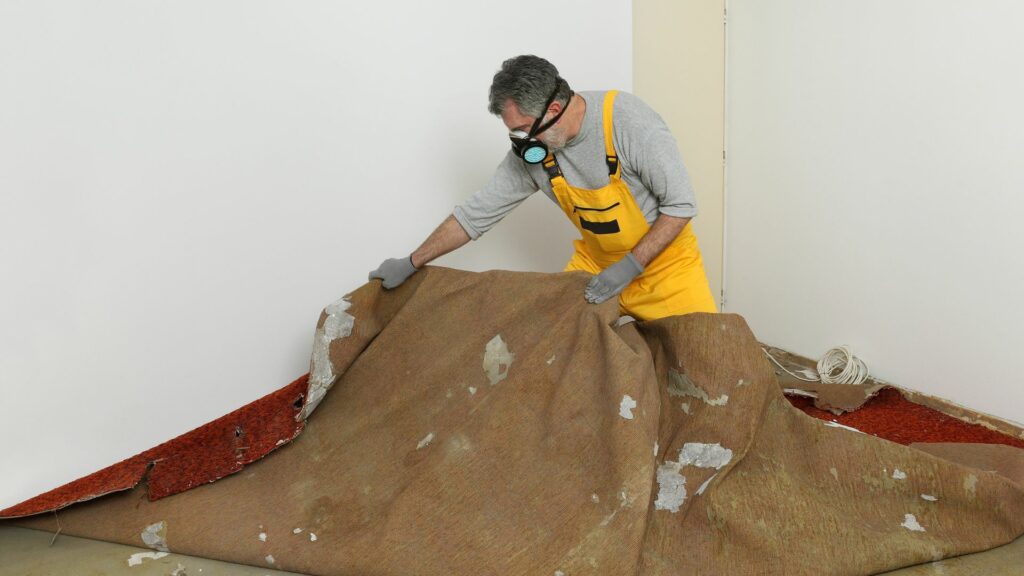
Removing old carpet can breathe new life into your space, giving it a fresh, updated look. Whether you’re transitioning to hardwood, tile, or another type of flooring, the process can feel overwhelming if you don’t know where to start. This guide will take you through each phase of the carpet removal journey, offering tips and tricks for making the process easier, more efficient, and less stressful. Proper preparation is key to ensuring the project goes smoothly. By breaking down each step and following the outlined instructions, you’ll have a clear understanding of what needs to be done to complete your carpet removal project. From clearing the space to disposing of the old carpet responsibly, we’ll cover all the essentials so you can enjoy the satisfaction of completing the job yourself.
Prepare the Room
Before you begin removing your carpet, it’s crucial to prepare the room properly to ensure safety and efficiency throughout the process. Start by removing all furniture, decor, and other items from the room. This clears your work area, allowing you to move freely and avoid accidentally damaging your belongings. If any large items cannot be removed, cover them with plastic sheeting or drop cloths to shield them from dust and debris. Take down any doors that swing into the room, such as closet doors, to ensure no obstructions remain. Removing the baseboards and shoe moldings along the edges of the room is also important, as this allows you to lift the carpet more easily and ensures that no pieces are left behind. Be sure to store the baseboards safely if you plan to reuse them later. Finally, don’t forget to equip yourself with the proper safety gear. Protective gloves and knee pads are essential to avoid injury, and a dust mask will help keep you from inhaling dust particles.
Detach the Carpet from Tack Strips
Tack strips are thin, wooden strips with nails or tacks used to hold the carpet in place around the edges of the room. Removing the carpet from these strips can be tricky but is a crucial step. Start by locating a corner of the room, where the carpet can be pulled away from the tack strip with ease. Use pliers or a carpet knife to gently pull up one corner of the carpet, and continue pulling along the edges until the carpet is free from the tack strips. If the carpet is stubborn and resists, try cutting a small section of the corner to get a better grip, which will make it easier to peel back. It’s important to proceed slowly to avoid damaging the carpet, especially if you plan to reuse it or donate it. As you work your way along the walls, take care to avoid damaging the tack strips, as they may be reused later or require careful removal.
Cut the Carpet into Manageable Strips

Once the carpet is detached from the tack strips, cutting it into manageable sections will make the removal process more efficient and less cumbersome. Carpet rolls can be bulky and difficult to move, so cutting it into strips helps make the task more manageable. Use a utility knife to cut the carpet into 3 to 4-foot wide strips, ensuring that you’re cutting through the back of the carpet rather than the fibers to preserve its integrity. This step allows you to work in sections that are easier to handle and roll up. After each section is cut, roll it tightly and secure it with duct tape or rope to prevent unraveling. These smaller sections are much easier to carry out of the room and dispose of properly. If the carpet is particularly heavy or dense, consider cutting it into even smaller strips to reduce strain and make disposal easier. This process will also minimize the mess, making cleanup faster once the carpet is removed.
Remove Carpet Padding
Underneath the carpet, you’ll typically find a layer of padding that provides comfort and insulation. This padding is often glued or stapled to the subfloor, and it must be removed before the space can be prepped for new flooring. Start by pulling the padding up from one corner of the room, using pliers or a floor scraper if necessary. If the padding is stapled, use the pliers to remove the staples or a staple remover tool. In cases where the padding is glued down, a floor scraper or putty knife will help loosen the adhesive. Work systematically across the room, ensuring all the padding is pulled up and removed. Once the padding is lifted, cut it into smaller strips for easier handling and disposal. Carpet padding can sometimes be difficult to remove due to its sticky residue, so be patient and ensure that no remnants are left behind. Clean the subfloor thoroughly to ensure no debris is left for a smooth and seamless flooring installation.
Remove Tack Strips
Tack strips are crucial in securing the carpet in place, but if you’re replacing the carpet with another type of flooring, these need to be removed as well. Start by inserting a pry bar or a flathead screwdriver under the tack strip, making sure to apply even pressure as you lift. Be cautious not to damage the subfloor during this step, as tack strips are often secured with nails or staples. Work your way around the perimeter of the room, prying up the strips gently until they’re completely removed. If the strips are difficult to remove, you may need to use a hammer to tap the pry bar underneath the strip. Take care when handling tack strips, as they often have sharp nails that could cause injury. After removal, inspect the subfloor for any remaining staples, nails, or debris. These should also be removed to ensure a smooth surface for new flooring installation, leaving the subfloor in excellent condition.
Clean the Subfloor
Now that the carpet, padding, and tack strips have been removed, it’s time to clean the subfloor thoroughly. Begin by sweeping the area to remove large debris, followed by a vacuuming to ensure all dust and dirt are cleared. You may also want to use a damp mop or floor scrubber to clean up any sticky residue left behind by adhesives or the carpet padding. If there are any stains or spills on the subfloor, now is the time to address them before installing new flooring. Look for areas where the subfloor may be damaged, such as warped or soft spots, which could indicate moisture or mold issues. These should be repaired before proceeding with the installation of new flooring. A clean subfloor provides a smooth, stable base for new flooring, ensuring that your new floors will be level and properly adhered. If any repairs are necessary, take care of them now to avoid complications later.
Dispose of the Old Carpet
When it comes to disposing of old carpet, it’s important to follow local regulations and environmental guidelines. Many municipalities offer recycling programs specifically for carpet, which can help keep old carpets out of landfills and reduce environmental impact. Check with your local recycling center or waste management facility to find out if they accept old carpet and whether they have specific drop-off locations. If carpet recycling isn’t available, you’ll need to arrange for proper disposal. Some carpet retailers offer pickup services for old carpet when you purchase new flooring, so inquire about this service when making your new flooring purchase. Alternatively, contact a junk removal service to pick up the carpet for disposal. For those doing the work themselves, make sure to break down the carpet into smaller sections to make it easier to haul away. Proper disposal ensures that your old carpet is handled responsibly, helping you maintain an eco-friendly approach to your home improvement project.
Why Remove Old Carpet?
Over time, carpets can collect dust, allergens, and stains that even professional cleaning may not fully eliminate. Old, worn carpets also have a significant impact on the overall air quality of your home. They can trap dirt, pet dander, and pollen, leading to breathing issues for sensitive individuals. Moreover, old carpets may have seen better days, with visible wear, damage, and fading that detract from the beauty of your home. Removing the old carpet can help revitalize your space by making way for fresh, more durable flooring options like hardwood, tile, or luxury vinyl. Additionally, replacing your carpet offers an opportunity to fix any underlying issues with the subfloor, such as uneven surfaces or squeaky boards. A new floor can also contribute to a better home environment by allowing easier cleaning, improved insulation, and, of course, a boost to your home’s value. So, the decision to remove the carpet not only enhances aesthetics but also creates a healthier and more functional living space.
Conclusion
Undertaking a carpet removal project can bring a fresh look to your home and is often a rewarding and cost-effective task. By following the detailed steps in this guide, you can ensure the process goes smoothly and safely, all while preparing your space for a new floor. Whether you’re looking to upgrade your home’s aesthetic or tackle an aging floor, the right preparation and approach can make all the difference.
However, if the process seems overwhelming or if you lack the necessary tools and time, professional help is always available. Clean Slate Hauling And Junk Removal in Yelm, WA, provides expert carpet removal and disposal services, handling everything from start to finish. Their team ensures that the job is done efficiently, leaving your space clean, organized, and ready for the next step in your home renovation. For professional carpet removal services, reach out to Clean Slate Hauling And Junk Removal at (360) 227-8738.


