

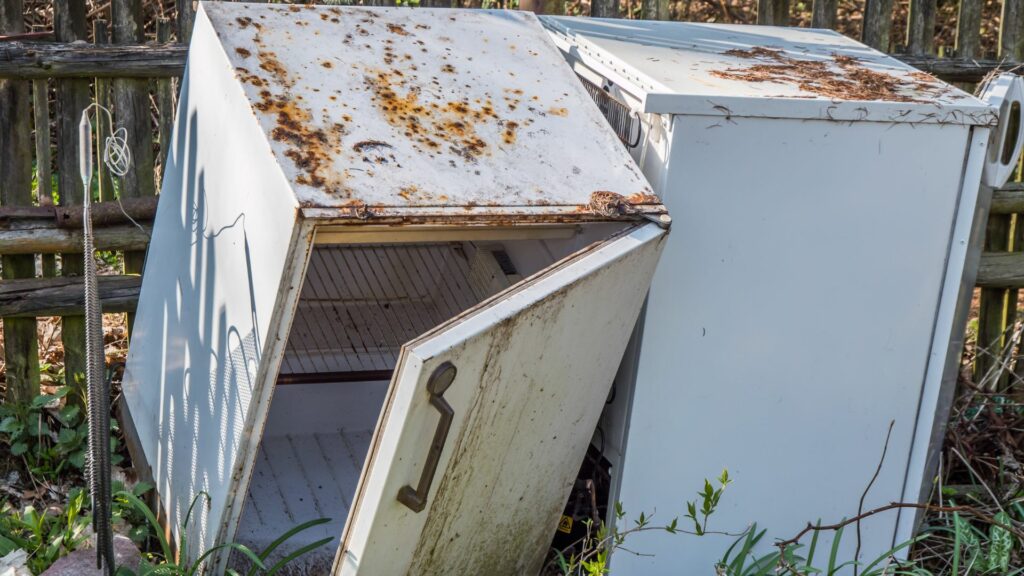
Getting rid of an old refrigerator or freezer may seem simple—until you realize how heavy, bulky, and environmentally sensitive these appliances are. They can’t just be left by the curb or dumped in a landfill without risking fines or harming the planet. The good news is that there are smarter, faster, and greener ways to handle the process. From recycling programs to professional junk removal services, you can clear out space in your home while ensuring your appliances are disposed of responsibly.
This guide explores how to remove old refrigerators and freezers efficiently without the stress, wasted time, or physical strain. By the end, you’ll know exactly what options exist, how to prepare your unit for pickup, and which method offers the best mix of speed, safety, and sustainability. Clearing space shouldn’t feel complicated—and with the right plan, it won’t.
Responsible Ways to Dispose of an Old Refrigerator
Throwing out an old refrigerator isn’t just about getting it out of sight—it’s about doing it the right way. Refrigerators contain materials like refrigerants, oils, and insulation that must be handled properly to prevent environmental contamination. Many local recycling centers have specific drop-off programs designed for large appliances, and these facilities ensure that hazardous components are safely removed and recycled. This process helps protect both your home and the ecosystem.
Another efficient option is to schedule a professional junk removal service that specializes in appliance disposal. These teams have the training and equipment to handle heavy lifting, safely disconnect power sources, and transport your refrigerator without damage. What’s more, they often partner with recycling centers or donation programs to ensure the appliance gets a second life when possible. Responsible disposal doesn’t just save you time—it reflects a choice to protect the environment while keeping your home clutter-free.
Preparing Your Refrigerator for Pickup
Before your refrigerator or freezer can be hauled away, a few preparation steps make the process smoother and safer. Start by unplugging the appliance at least 24 hours in advance. This gives it time to defrost and drain any excess moisture, preventing leaks during transport. Empty all shelves and drawers, wiping them clean to remove any lingering odors or residue. Secure doors with tape or rope to keep them from swinging open.
If your appliance still functions, check with local charities or shelters—many gladly accept gently used refrigerators. Labeling it as “working” or “non-working” helps movers and recyclers handle it appropriately. Make sure the area around the fridge is clear so the removal team can easily maneuver. Simple preparation steps like these save time, reduce mess, and ensure the process runs smoothly. You’ll avoid surprise complications and create a safer, more efficient pickup experience.

Recycling Options for Refrigerators and Freezers
Recycling is one of the most eco-friendly ways to dispose of an old fridge or freezer. These appliances contain valuable metals like steel and aluminum that can be recovered and reused, reducing the need for new raw materials. Many recycling programs even extract refrigerant gases and oils, ensuring they’re neutralized or reclaimed responsibly rather than released into the air. The process helps keep harmful substances out of landfills and minimizes your carbon footprint.
Check with your municipality or local waste authority to see if they offer appliance recycling programs. Some utilities even provide rebates or pickup services for energy-inefficient models to encourage responsible disposal. Partnering with a professional junk removal company that coordinates recycling can simplify the process—no driving, no waiting in long lines, and no heavy lifting. It’s a practical solution for homeowners who want to protect the environment while regaining valuable space at home.
Donating Appliances That Still Work
If your refrigerator or freezer is still in good working condition, donation can be an excellent option. Many families, shelters, and nonprofit organizations welcome functioning appliances to support households in need. Before donating, give the appliance a thorough cleaning and check that all parts operate correctly, including the compressor, door seals, and thermostat. Taking the time to ensure safety and cleanliness shows respect for the recipient and prolongs the appliance’s usefulness.
Coordinate directly with charities that accept large appliances—some may even offer free pickup. Not only does donating keep your old fridge out of the landfill, but it also extends its lifecycle, reducing manufacturing waste from producing new ones. This approach combines practicality with compassion, helping others while making your own home more efficient. With one simple act, you contribute to sustainability and community support at the same time.
Hiring a Professional Junk Removal Service
When it comes to speed and convenience, professional junk removal stands out as the most efficient option. Trained crews know how to handle bulky, awkward appliances safely and quickly. They arrive equipped with the tools to disconnect units, navigate tight spaces, and load them without damaging walls or floors. With one scheduled appointment, your old fridge or freezer can be gone in minutes—no stress, no mess, and no risk to your back.
A reputable junk removal company also ensures your appliance is handled responsibly after pickup. Rather than ending up in a landfill, it may be recycled, repurposed, or properly dismantled. The entire process saves you time while giving peace of mind that everything is managed correctly. This service is perfect for homeowners who want immediate results without the hassle of DIY removal or the uncertainty of disposal regulations.
Understanding Environmental Regulations for Appliance Disposal
Many people are unaware that refrigerators and freezers fall under strict environmental laws due to the materials they contain. These appliances hold refrigerants, oils, and foam insulation that can emit harmful chemicals such as chlorofluorocarbons (CFCs) or hydrofluorocarbons (HFCs) if mishandled. Such substances are known to damage the ozone layer and contribute to climate change. Because of these risks, both federal and state agencies require that only certified technicians remove and dispose of refrigerants before an appliance is recycled or discarded.
Working with a licensed junk removal or recycling company ensures every step meets environmental safety standards. These professionals carefully extract hazardous materials, separate recyclable metals, and deliver components to approved processing facilities. By following proper procedures, you help reduce pollution, avoid costly penalties, and support sustainable waste management—all while simplifying what might otherwise be a complicated and risky disposal process.
Safety Tips for Moving Heavy Appliances
Refrigerators and freezers are among the heaviest and most cumbersome household appliances, which makes proper handling absolutely essential. Before attempting to move one, take a few minutes to prepare your surroundings—clear a wide pathway free of rugs, cords, or any clutter that could cause tripping. Always rely on dolly or sturdy appliance straps rather than attempting to lift by hand, as improper handling can easily result in serious injuries, floor scratches, or damaged walls.
Be sure to secure the doors tightly with tape or rope to prevent them from swinging open during movement. If possible, remove shelves and drawers to lighten the load. When uncertain, never move a heavy appliance alone; ask for assistance or hire professionals with the right tools and expertise. They’ll use protective padding, gloves, and precise techniques to ensure a safe, damage-free process from start to finish, saving you stress and effort.
Why DIY Refrigerator Disposal Can Be Risky
It may seem tempting to haul your old refrigerator to the dump yourself, but DIY disposal can bring more headaches than savings. First, most landfills and waste centers have strict rules against accepting appliances containing refrigerants unless they’ve been professionally drained. You might spend hours driving and still get turned away. Without proper tools, loading and unloading can also be dangerous and damaging to your property.
Additionally, the environmental impact of improper disposal can’t be ignored. Cutting corners by leaving your fridge outdoors or with regular trash collection risks releasing harmful chemicals and incurring fines. Hiring professionals ensures full compliance with regulations while sparing you the physical strain and logistical hassles. When you consider time, effort, and potential penalties, DIY disposal rarely delivers the efficiency or peace of mind you expect.
How Proper Disposal Benefits the Environment
Refrigerators and freezers contain materials that can harm the environment if discarded carelessly. Chlorofluorocarbons (CFCs) and hydrofluorocarbons (HFCs) used in older models can deplete the ozone layer and contribute to global warming. By disposing of appliances properly, these chemicals are captured and recycled instead of released into the atmosphere. The metal, glass, and plastic components are also reused, reducing demand for new raw materials.
Eco-conscious disposal is one of the simplest ways for homeowners to make a positive environmental impact. When you choose a service that prioritizes green practices, you’re contributing to cleaner air, reduced waste, and sustainable resource management. Responsible recycling transforms old appliances from environmental hazards into valuable materials for future use. Every responsible choice adds up to a healthier planet and a clutter-free home.
Getting the Most Value from Appliance Removal
While removing an old refrigerator might seem like a hassle, it can actually present several surprising benefits—both financial and environmental. Many energy providers now offer special rebates or incentives for recycling outdated, energy-hungry models, making it easier and more affordable to switch to modern, energy-efficient appliances. If your refrigerator still works, selling or donating it to a local charity or family in need can extend its life and reduce waste. Even if it’s no longer functional, professional recyclers can recover valuable metals, plastics, and components that hold resale or reuse potential.
To make the most of these opportunities, take time to research disposal programs and partner with a trusted junk removal service. Combining recycling, rebates, and professional handling saves you effort, minimizes landfill waste, and turns what was once clutter into something useful. In the end, efficient appliance removal benefits your wallet, your home, and the environment.
Conclusion
Getting rid of an old refrigerator or freezer doesn’t have to be complicated or stressful when you know the right steps to take. Whether you decide to recycle, donate, or rely on a professional junk removal team, the key is finding a method that ensures safety, efficiency, and environmental responsibility. Proper disposal not only clears valuable space in your home but also helps reduce waste and prevent harmful materials from reaching landfills. Instead of struggling with heavy lifting or worrying about regulations, let experts handle the entire process from start to finish.
For dependable, eco-conscious, and affordable appliance removal, reach out to Clean Slate Hauling and Junk Removal in Yelm, WA. Their team makes disposal simple and responsible. Call (360) 227-8738 or email info.cleanslatejunk@gmail.com today to schedule your hassle-free refrigerator or freezer pickup and enjoy a cleaner, more organized space without lifting a finger.


