

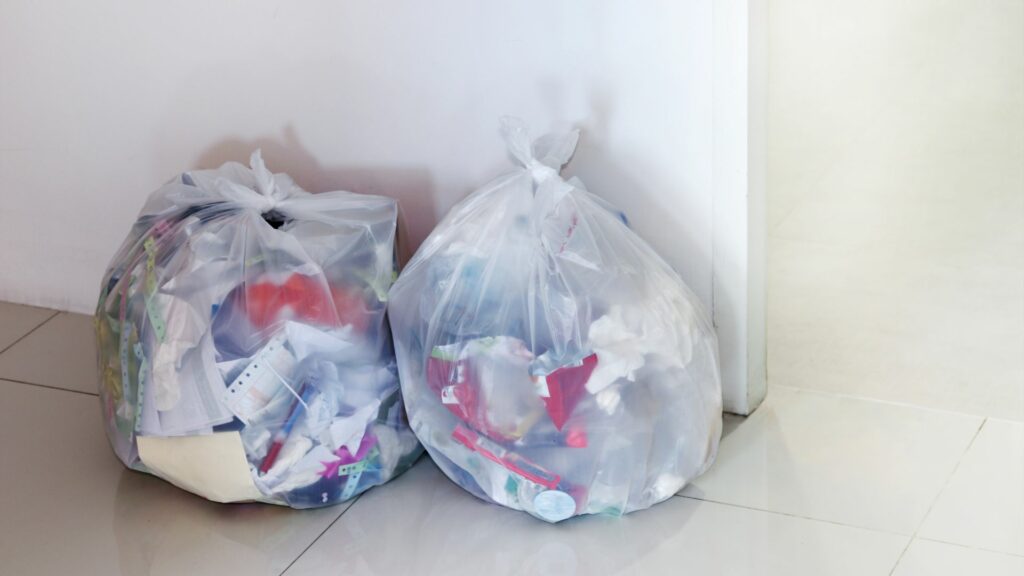
Managing large-scale junk removal in office spaces can quickly become a daunting task if approached haphazardly. Offices accumulate a surprising amount of clutter over the years, from outdated furniture and broken equipment to stacks of paperwork that have long lost relevance. This accumulation not only consumes valuable space but can also affect productivity, employee morale, and safety. Addressing it effectively requires more than just casual decluttering—it demands a structured strategy, proper tools, and often, professional assistance.
Planning ahead ensures that items are sorted, removed, and disposed of responsibly, reducing disruption to daily operations. With the right approach, office cleanouts can transform chaotic environments into organized, functional spaces. Beyond aesthetics, large-scale junk removal enhances efficiency, supports sustainability through recycling initiatives, and fosters a healthier workplace culture. This guide explores practical strategies for handling extensive office junk removal projects, providing insights to make the process smooth, safe, and cost-effective.
Planning and Organizing a Large-Scale Office Cleanout
Large-scale office cleanouts begin with thorough planning. The first step is to assess the entire workspace and identify which areas are most cluttered and what type of junk needs removal. This can range from old office furniture and electronics to obsolete supplies and accumulated paperwork. Creating an inventory helps prioritize what needs immediate attention and what can wait. It also provides a clear understanding of the resources required, such as the size of trucks, manpower, and storage bins.
Organizing the team is equally crucial. Assigning specific roles ensures that everyone understands their responsibilities during the cleanout. Some staff may handle sorting and categorizing, while others coordinate the logistics of moving items to designated areas for disposal or recycling. A well-organized approach minimizes confusion and keeps the project on schedule. Proper planning also accounts for safety protocols, ensuring heavy or hazardous items are moved carefully to prevent injuries. With a detailed roadmap and clear communication, office junk removal can proceed efficiently, reducing downtime and setting the stage for a cleaner, more productive workspace.
Choosing the Right Junk Removal Service for Your Business
Selecting a professional junk removal service can make a significant difference in the efficiency and safety of an office cleanout. Not all services are created equal, so it’s important to consider experience, reliability, and the scope of services offered. A company familiar with commercial spaces understands the challenges of maneuvering bulky furniture, handling electronic waste, and scheduling pickups around working hours. This expertise minimizes disruptions and ensures that even complex office layouts are handled with care.
Communication is another key factor. The chosen service should be transparent about pricing, timelines, and disposal practices. Eco-conscious businesses may prioritize companies that emphasize recycling and donation of usable items. Having a service that can provide both small-scale and large-scale solutions ensures flexibility for ongoing office maintenance. Additionally, a reputable junk removal company will provide proper documentation for disposal, which is essential for compliance with local regulations. Partnering with the right experts transforms a potentially stressful project into a streamlined process, saving time, reducing risk, and leaving the office ready for a fresh, organized start.

Creating a Step-by-Step Timeline for Office Junk Removal
A well-structured timeline is essential to managing a large office cleanout efficiently. Begin by setting realistic start and end dates based on the scope of the project and the availability of staff. Break the project into smaller phases, such as sorting, packing, removal, and disposal, to make it less overwhelming. Assign deadlines for each phase, ensuring that the team knows when specific tasks should be completed. Having a timeline also helps in coordinating with junk removal services, as it allows scheduling pickups and transportation without disrupting regular business operations.
Flexibility within the timeline is just as important as structure. Unexpected items or challenges often arise during office cleanouts, such as discovering sensitive documents or oversized equipment that require special handling. By building buffer days into the schedule, the team can address these issues without causing delays. Regular progress checks against the timeline help ensure accountability and allow for adjustments. A thoughtfully planned schedule ensures that each phase flows smoothly into the next, ultimately transforming a potentially chaotic project into an organized and manageable process.
Sorting and Categorizing Office Items Efficiently
Efficient sorting and categorization are key steps in large-scale office junk removal. Items should be grouped into categories such as furniture, electronics, paperwork, recyclables, and hazardous materials. This not only simplifies disposal but also highlights items that can be donated or repurposed, reducing waste. Using color-coded bins or labels can streamline the process and make it easier for the team to identify what goes where. A methodical approach prevents valuable items from being accidentally discarded while ensuring that genuine junk is quickly cleared from the workspace.
Team coordination enhances sorting efficiency. Assign specific individuals or teams to focus on particular categories, allowing work to proceed simultaneously in different areas. Large office spaces benefit from dividing the workspace into zones to prevent bottlenecks. It’s important to handle sensitive or confidential materials with care, using shredding or secure disposal methods when necessary. Efficient categorization also prepares items for eco-friendly disposal, recycling, or donation. By systematically separating materials, offices can reduce clutter faster, maintain a safer environment, and ensure that discarded items are handled responsibly, contributing to sustainability goals.
Handling Electronic Waste and Sensitive Documents Safely
Electronic waste and sensitive documents require special attention during office cleanouts. Electronics such as computers, printers, and phones often contain hazardous materials and personal data, which must be managed according to local regulations. Simply discarding these items in regular trash bins can pose environmental and legal risks. Partnering with a junk removal service experienced in e-waste ensures that devices are properly recycled or disposed of.
Sensitive documents, including financial records, employee files, and client contracts, must be securely shredded or disposed of. Creating a separate collection system for confidential paperwork prevents accidental exposure and reduces liability. Employees handling these materials should be trained in best practices for confidentiality and compliance. Proper management of electronics and documents protects the company legally and ethically while contributing to sustainability efforts.
Managing Furniture and Large Equipment Removal
Office furniture and large equipment often present the most significant logistical challenges during junk removal. Items such as desks, filing cabinets, and conference tables are heavy, bulky, and sometimes difficult to maneuver through narrow corridors or stairwells. A well-planned approach involves mapping out pathways, using proper lifting techniques, and leveraging equipment like dollies or lifts to prevent damage and injuries. Coordination with professional movers or junk removal services ensures that these items are handled efficiently.
Disposal planning is equally important. Some furniture may be suitable for donation, resale, or recycling, which reduces waste and supports community initiatives. For broken or obsolete equipment, working with a service that understands recycling protocols ensures that items are dismantled and disposed of responsibly. Prioritizing safety, planning routes, and organizing teams for handling heavy items minimizes workplace accidents and keeps the project on schedule.
Coordinating Staff and Minimizing Business Disruptions
Minimizing disruptions is essential when conducting large-scale office junk removal. Businesses cannot afford extended downtime, so coordinating staff responsibilities alongside the cleanout project is crucial. Clear communication about roles, schedules, and expectations ensures employees understand their responsibilities, whether they are sorting items, managing logistics, or supervising external services. Planning removal work during off-peak hours or weekends can further reduce interruptions to normal operations.
Additionally, setting up temporary storage or staging areas allows work to proceed without interfering with daily tasks. Staff involvement not only speeds up the process but also encourages accountability and organization. Creating a structured workflow, with defined entry and exit points for removed items, ensures efficiency and safety. By carefully coordinating personnel and scheduling tasks strategically, office junk removal can proceed smoothly without compromising productivity, ultimately resulting in a refreshed, clutter-free workspace that supports both operational efficiency and employee satisfaction.
Implementing Eco-Friendly Disposal and Recycling Practices
Sustainability is an increasingly important consideration for office cleanouts. Implementing eco-friendly disposal and recycling practices reduces environmental impact and demonstrates corporate responsibility. Office items such as paper, cardboard, plastics, electronics, and metals can often be recycled or repurposed instead of ending up in landfills. Sorting materials carefully during the junk removal process ensures that recyclables are identified and processed correctly, contributing to long-term sustainability goals.
Partnering with a professional junk removal company that emphasizes green practices further enhances results. Many services provide options for donating usable furniture and equipment, diverting items from waste streams while benefiting local communities. Employees can also be educated on the environmental importance of proper disposal and recycling. By incorporating sustainable practices into office junk removal, businesses not only maintain a cleaner workspace but also foster a culture of responsibility and environmental awareness.
Budgeting and Cost Considerations for Office Cleanouts
Cost management is a critical aspect of large-scale office junk removal. Businesses must account for labor, transportation, disposal fees, and any special handling required for sensitive or hazardous items. Establishing a clear budget helps prevent unexpected expenses and allows managers to allocate resources effectively. Comparing quotes from multiple junk removal services can ensure competitive pricing while maintaining quality standards.
It is also important to consider potential savings from donations or resale of usable items. Recycling and responsible disposal practices may reduce disposal fees and support sustainability goals. Including contingency funds for unforeseen challenges, such as oversized equipment or additional waste, provides flexibility. By planning financially, offices can execute junk removal projects efficiently, avoiding disruptions and achieving a cleaner, safer, and more organized workspace without compromising financial resources.
Maintaining a Clutter-Free Office After a Major Junk Removal
A major cleanout is only the beginning; maintaining a clutter-free office requires ongoing effort. Establishing clear storage systems, labeling, and regular decluttering schedules prevents the reaccumulation of junk. Encouraging employees to take ownership of their workspace and providing accessible disposal options for outdated materials fosters a culture of organization.
Regular audits of office supplies, furniture, and equipment help identify items that are no longer needed, ensuring they are promptly removed or recycled. Integrating professional junk removal services into a recurring maintenance plan simplifies this process. With a proactive approach, offices can sustain a clean and organized environment that supports productivity, employee morale, and overall operational efficiency. Consistency in these practices ensures that the benefits of a major cleanout are long-lasting.
Conclusion
Large-scale office junk removal is more than just clearing out unwanted items—it is a transformative process that can significantly impact the efficiency, safety, and overall atmosphere of a workplace. By approaching clutter systematically, businesses can create organized, functional environments that enhance productivity, improve employee morale, and reduce potential hazards. Thoughtful planning, clear teamwork, and professional guidance are essential to ensure that every phase of the process, from sorting and categorization to removal and disposal, is executed smoothly and responsibly.
Beyond immediate benefits, proper junk removal supports environmental sustainability by promoting recycling, donations, and eco-friendly disposal practices. Partnering with experienced experts ensures that offices are not only decluttered efficiently but also maintained in a safe and organized manner for the long term. For reliable, comprehensive office cleanouts, Clean Slate Hauling and Junk Removal in Yelm, WA, provides professional and environmentally conscious services. They can be reached at (360) 227-8738 or via email at info.cleanslatejunk@gmail.com.


