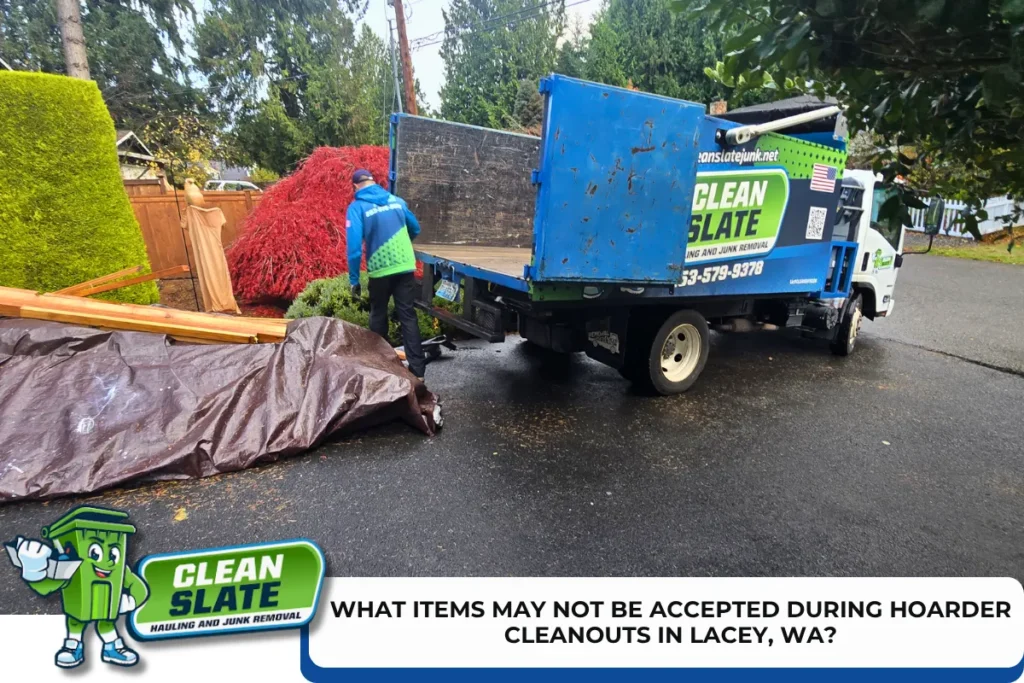
When Hoarder Cleanouts Can’t Take Everything: A Quick Overview
Hoarder cleanouts come with a unique challenge that many families in Lacey don’t expect: not everything in the house can go on the truck. Even a full-service crew working through a property packed floor to ceiling has legal and safety limits on what they can load and haul. Hoarding affects nearly 2.5 percent of the general population, so these situations are more common than most people realize, and the emotional weight of sorting through years of extreme accumulation can stall quickly when restricted items appear without warning. The solution is straightforward. Understanding which categories of materials are off-limits before the cleanup process starts, and coordinating with a professional junk removal, keeps the job moving and the entire property on track for a safe outcome. This article is specific to Lacey, Washington and guided by Thurston County disposal rules and environmental responsibility.
Key Takeaways
- Hazardous chemicals, medical waste, explosives, ammunition, certain construction debris, and illegal items are the main categories that standard cleanout services cannot haul.
- These restrictions are driven by Thurston County disposal rules, landfill policies, and worker safety standards rather than a lack of willingness to help.
- Most standard household junk, furniture, appliances, and general trash are usually acceptable during a hoarder cleanout.
- A pre-cleanout walkthrough and a clear item list prevent surprises on the day work begins.
- When borderline items come up, reaching out to a local junk hauling service ahead of time saves time and avoids delays.
How Local Laws and Disposal Rules Shape What Can Be Hauled

Every junk hauling service operating in Lacey must follow city, county, and state solid-waste regulations. Thurston County’s Solid Waste ordinance, codified under Article V of the Thurston County Sanitary Code, defines what transfer stations and landfills can accept. Environmental laws prevent toxic chemicals from being dumped in landfills, and local regulations prohibit the disposal of certain hazardous materials through standard channels.
Standard junk removal services refuse to transport hazardous materials because they lack the permits, insurance, and containment equipment required under Washington’s dangerous waste rules (WAC 173-303). Licensed transporters may need special authorization to carry categories like asbestos or large volumes of chemicals.
The practical difference matters: furniture, trash, appliances, and general clutter go on the truck. Regulated waste requires specialized contractors. Local dump fees in Thurston County average 125 dollars per ton, but loads containing prohibited materials can be refused entirely at the gate. Rules and fees change over time, so checking current Thurston County Solid Waste guidelines before scheduling a cleanout is always a smart move.
Household Hazardous Waste Often Not Accepted in Hoarder Cleanouts
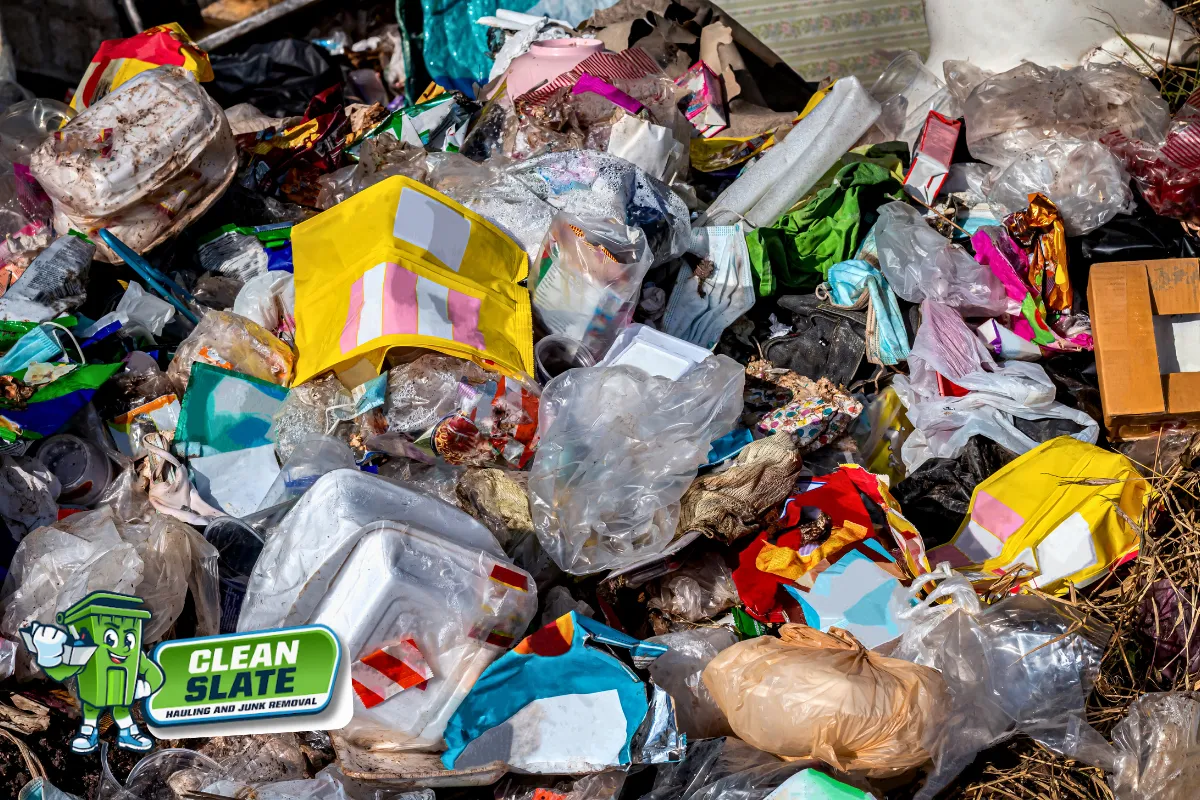
Household hazardous waste includes any product that is ignitable, corrosive, reactive, or toxic. During a hoarding cleanup, these items show up constantly: buried under magazines, hidden behind furniture, or stacked in garages for years.
Common examples that crews cannot haul include:
- Oil-based paints, varnish, stain, and paint thinner
- Solvents, lacquers, turpentine, and mineral spirits
- Pesticides, herbicides, fungicides, and rodenticides
- Automotive fluids such as motor oil, antifreeze, brake fluid, and transmission fluid
- Pool chemicals, drain cleaners, and aerosol cans
- Large propane tanks and fuel containers holding gasoline or kerosene
Certain household chemicals are prohibited from standard junk removal operations because of safety concerns like fire, toxic fumes, and chemical reactions if containers leak in a truck. Old, unstable chemicals pose additional risks during transport or disposal. Waste that poses fire hazards typically cannot be accepted by standard services.
Local disposal options for hazardous waste include HazoHouse in Lacey, which is Thurston County’s moderate risk waste facility. Local facilities impose strict sorting rules for hazardous materials disposal, and there are daily limits, such as a maximum of ten fluorescent bulbs per customer per visit. Large quantities of hazardous waste may require a different disposal route entirely.
The best approach: separate clearly labeled chemicals before the cleanout and schedule a separate hazardous-waste drop-off through the county program.
Items with Biohazards, Medical Waste, and Human or Animal Remains
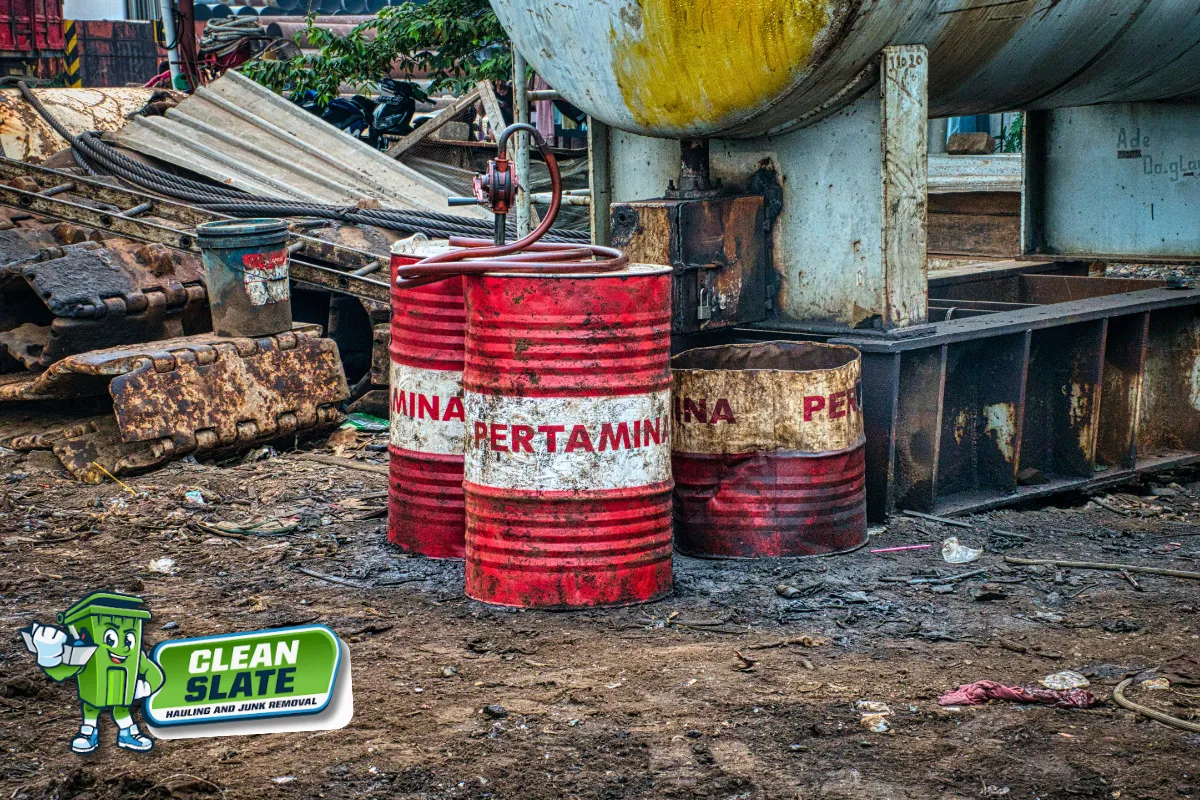
Biohazards are heavily regulated and typically fall outside the scope of standard junk hauling. Biomedical waste includes sharps and uncontaminated human or animal waste, and handling it requires certification that most hauling crews do not carry.
Specific examples commonly found during hoarder house cleanouts:
- Used syringes, loose needles, and sharps containers
- Blood-soaked materials, lab vials, and urine bottles
- Home-care medical supplies contaminated with bodily fluids
- Heavy animal waste, dead animals, and areas saturated with biological material
- Items containing human waste or rotting food
Items contaminated with biological waste may require specialized cleanup, and severe biological contamination necessitates biohazard remediation protocols handled by certified teams with proper PPE and training. Heavy accumulation of hazardous or biohazardous items may mask risks during cleanouts, making a thorough inspection critical. Biohazards like mold growth or animal waste require specialized handling that goes beyond what a standard crew can safely provide.
Point out suspected biohazard rooms during a walkthrough so providers can determine what they can safely remove and what needs a separate service.
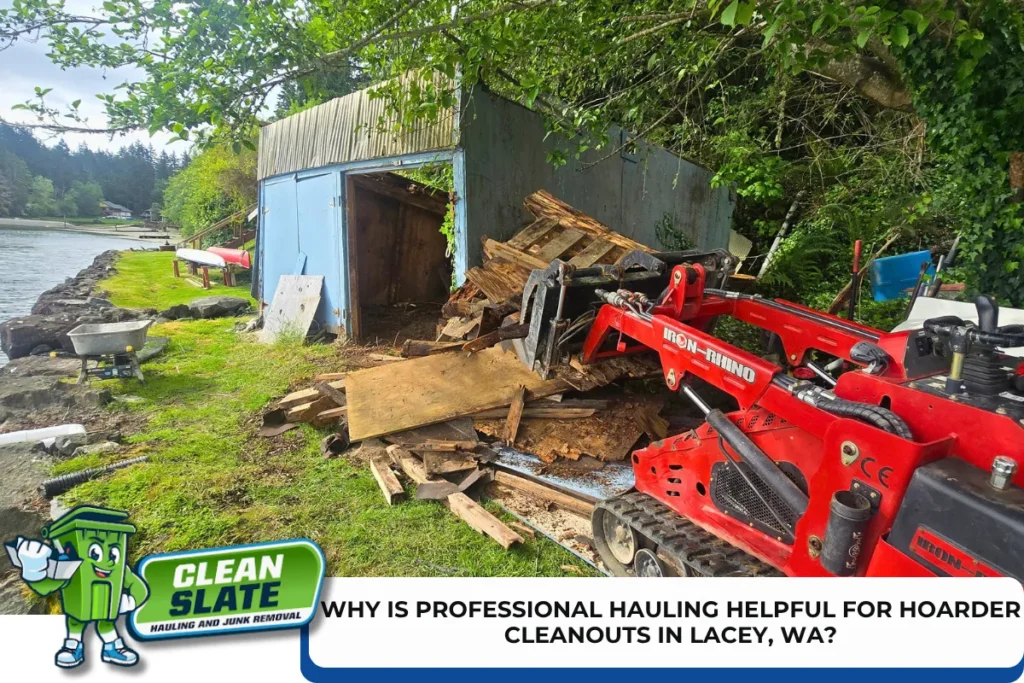
Read Why Is Professional Hauling Helpful for Hoarder Cleanouts in Lacey, WA?
Explosives, Ammunition, and Flammable Materials That Haulers Must Refuse

Anything explosive or extremely flammable is prohibited in junk hauling trucks for insurance, liability, and worker safety reasons. These safety hazards are non-negotiable regardless of quantity.
Items that must be refused:
- Bullets, loose ammunition, and black powder
- Fireworks, road flares, and signal devices
- Large propane cylinders with residual pressure
- Gasoline cans with fuel and kerosene containers
Specialized handling is required for pressurized tanks and flammable liquids. Radioactive materials are also not accepted by junk removal services, though they are rarely encountered in residential settings. Some older homes may contain unstable materials like decades-old solvents or mystery containers with no labels.
Firearms and ammunition need to be addressed by the property owner, law enforcement, or a licensed firearms dealer. If explosive or suspicious items are discovered during a hoarding cleanup, contacting local authorities or the fire department for guidance is the safest step.
Construction Debris, Soil, and Other Heavy Materials with Special Limits
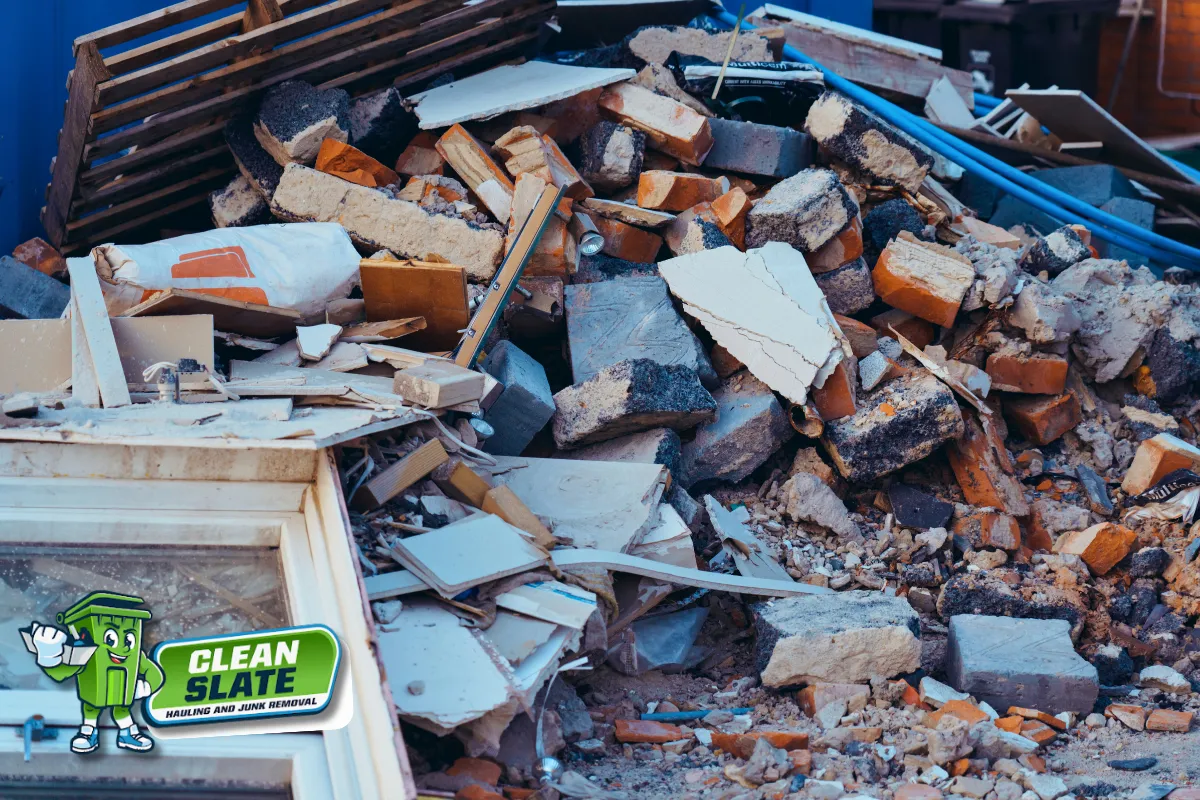
Some materials are not completely banned but may be limited by weight, volume, or facility rules during hoarder house cleanout projects. These include:
- Concrete chunks, bricks, and masonry
- Roofing shingles and large amounts of gravel or rock
- Drywall from older renovations and large piles of dirt
Older drywall, insulation, or floor tiles from pre-1980s renovations may contain asbestos. Asbestos materials require specialized licensed abatement teams for removal, and disposal at the county facility requires an appointment during specific weekday hours.
Overloading a truck with dense, bulky items can violate weight limits or damage equipment, so providers often cap these loads or price them separately. Most cleanout services cannot accept large appliances without prior arrangement, and specialized recycling channels are needed for certain electronics and appliances.
Discuss any visible renovation debris, torn-out walls, or large outdoor piles during the estimate so the crew can plan accordingly and avoid last-minute refusals.
Illegal, Restricted, or Extremely Sensitive Personal Items
Some categories are refused because of legal liability or privacy concerns rather than disposal logistics. Discovery of suspected illegal drugs or paraphernalia, evidence of criminal activity, or contraband may require stopping the job until the owner or authorities address the situation.
Large caches of important documents with Social Security numbers, unclaimed financial records, and sensitive personal papers also fall into this category. Secure disposal through shredding is recommended instead of tossing them in a standard load of trash.
Family members or legal representatives should be involved when sorting high-sensitivity items in a hoarder house. For estate cleanouts, having an executor present protects everyone from disputes over what was removed. Decision making around these items deserves careful attention and a judgment-free space.
How to Prepare Before a Hoarder Cleanout So Fewer Items Are Turned Away
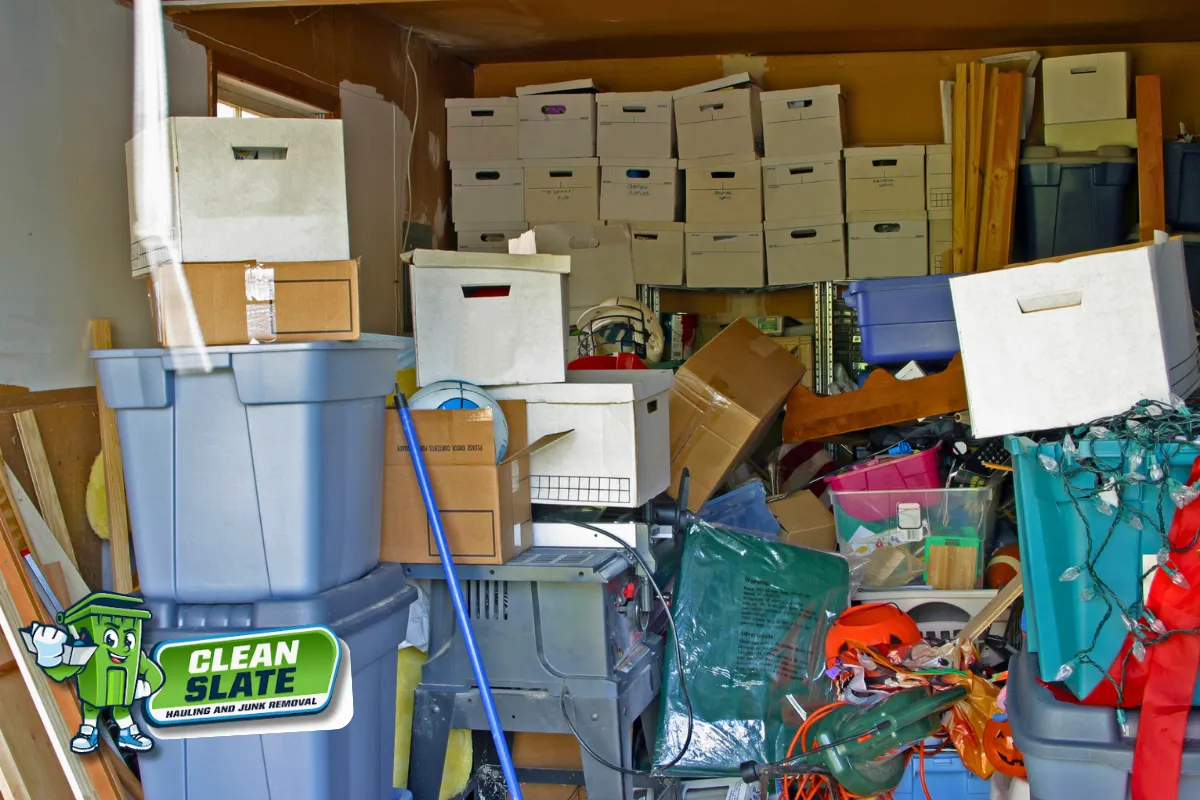
A few practical steps before the crew arrives can keep the job on schedule and reduce the chance of items being turned away.
- Schedule a walkthrough and use that time to get a free estimate while asking directly about questionable items on the property.
- Label areas with known chemicals, medical supplies, or construction debris so crews can plan equipment and disposal options.
- Sort obvious hazardous waste into a separate, safe corner for later delivery to county-approved programs.
- Use the four-box method to begin preliminary sorting: Keep, Donate, Recycle, Trash. Involving individuals in decision making reduces anxiety during cleanouts and keeps the process simple.
- Share item lists and photos with the junk removal team so they can design a smoother, safer plan.
The cleanout process begins with an initial consultation, and clear communication during that stage prevents most surprises. Emotional reactions during cleanouts can include tears and anger, and professional services provide emotional understanding during hoarding cleanups. Deep cleaning follows decluttering using HEPA vacuums and disinfectants once the space is cleared.
Balancing Safety, Compassion, and Environmental Responsibility in Lacey
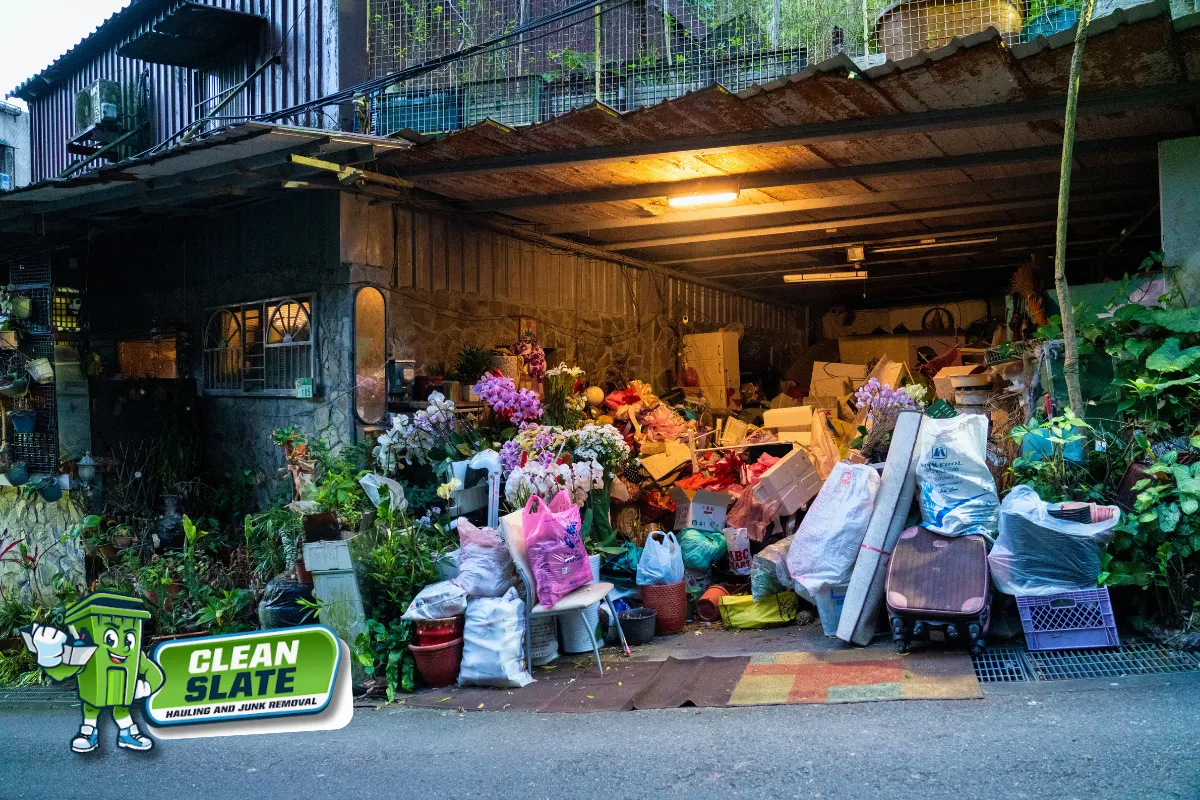
Hoarding disorder carries real emotional weight, and compassionate cleanout approaches respect individuals’ dignity and autonomy throughout the entire process. Refusals of certain items are about compliance and worker protection, not blame.
Reputable providers aim to donate and recycle as much as possible. Many companies donate usable items and usable goods to local community charities during cleanouts, and recyclable materials are sorted and taken to appropriate facilities. Hoarder cleanout services prioritize environmentally responsible disposal practices, and the goal is always to reduce landfill waste. All unwanted items that can be legally hauled are removed efficiently during the cleanout.
Careful sorting into donation, recycling, junk, and special-handling categories keeps costs down and supports both the environment and the local community. A thoughtful plan for restricted items can turn an overwhelming hoarder cleanout into a manageable project where the full property ends up as a livable space again.
Hoarder Cleanouts in Lacey, WA – Clean Slate Hauling and Junk Removal
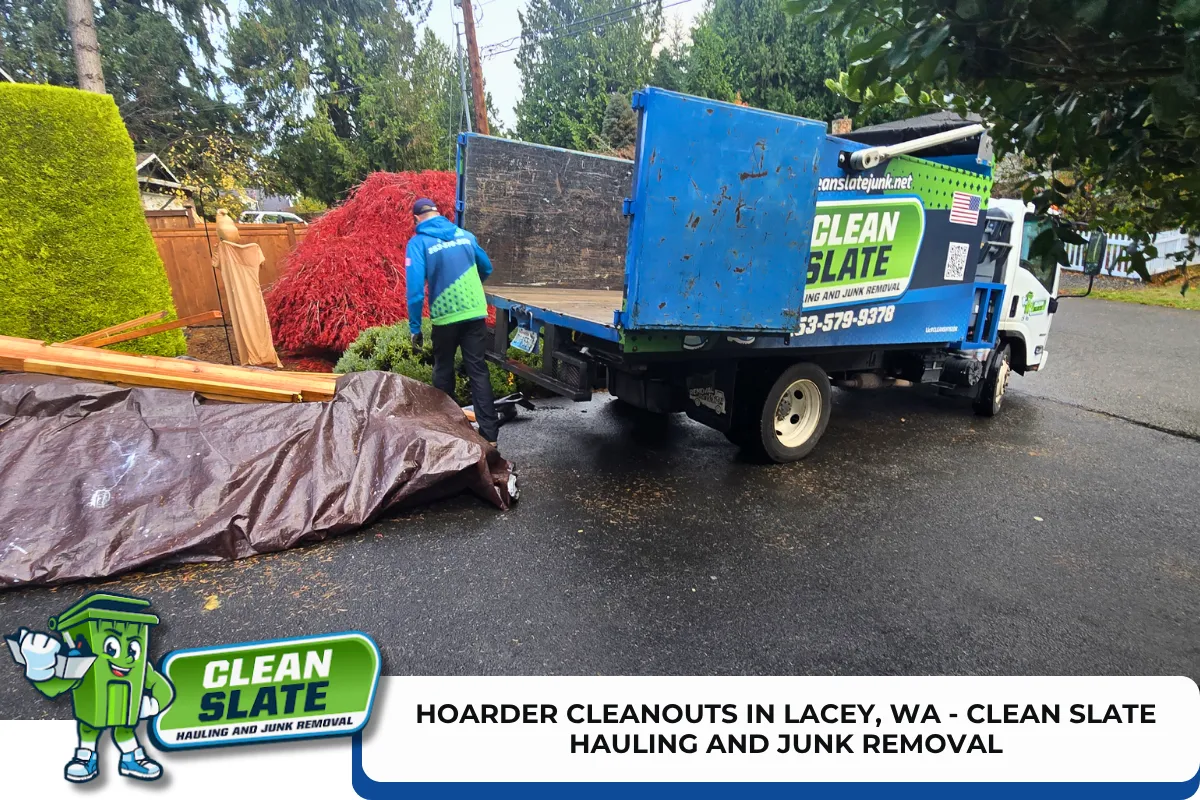
We are Clean Slate Hauling And Junk Removal, a local junk removal and hauling team serving Lacey, Washington. We are not a cleaning company. We lift, load, and haul household junk, furniture, clutter, and debris so your property is cleared and ready for its next chapter. Our team handles hoarder cleanouts with compassionate, judgment-free support, whether it is a single room or a full property packed with years of accumulation. We also assist with estate cleanouts, appliances, and bulky items that need to go. Before work begins, we walk through the property with you, give a firm quote with no hidden fees, and explain exactly what we can and cannot haul. Honest work and flexible scheduling are what set us apart. Call us at (360) 227-8738 or fill out our contact form to schedule a free estimate. Let us help you reclaim your space.
Frequently Asked Questions
Can a Tenant Arrange a Hoarder Cleanout, or Does the Property Owner Need to Be Involved?
Tenants can usually hire a junk removal service to remove belongings they personally own. However, structural debris, built-in fixtures, or modifications to the property typically need landlord or property owner approval before anything is touched. Written permission and a clear scope of work prevent disputes over what was removed. In hoarding situations tied to code enforcement orders or safety violations, owners or property managers may be legally required to participate in the cleanup. Tenants dealing with severe cases should talk with the property owner early, especially if large loads, repeated visits, or dumpster placement on the property are expected.
What Happens If We Discover Prohibited Items During the Cleanout Day?
Crews will typically pause work in the affected area, mark the items, and notify the client immediately. Options at that point include skipping the item entirely, moving it to a safe corner for the homeowner to address, or adjusting the plan to bring in a specialist later. Most of the cleanout can still continue in other rooms while a solution for the restricted items is arranged separately. Hiding or burying questionable items creates safety risks for workers and can delay the entire job. Transparency during the initial inspection keeps things moving and avoids unexpected costs once the load is underway.
Can Lightly Soiled Sentimental Items Be Saved Instead of Thrown Away?
Many belongings with dust, minor odors, or surface grime can be cleaned and preserved if the client chooses. The line is drawn at items damaged by heavy mold, pest infestations, or severe contamination, which may pose ongoing health risks. Setting aside a review-later box for sentimental items like photos, documents, and keepsakes found during a hoarder cleanup gives families time to make thoughtful decisions without the pressure of the crew standing by. Specialized restoration services can sometimes recover water-damaged photographs or lightly contaminated papers that a standard service cannot clean on site.
How Far in Advance Should I Schedule a Hoarder Cleanout in Lacey?
Lead time depends on the property size and the season, but booking a week or two ahead is often ideal for proper planning and estimates. Urgent situations can sometimes be accommodated faster, but larger hoarder houses benefit from a walkthrough before booking so the crew can align trucks, crew size, and disposal arrangements. Hoarder cleanout costs in Lacey range from 25 to 195 dollars per hour, and most residential jobs start at 100 dollars. Total square footage significantly influences costs. Most hoarder cleanouts are completed in a single visit, though severe hoarding situations increase labor and sorting time significantly. Weekend or extended-hour appointments may be available through providers who offer flexible scheduling, but these slots fill quickly.
Do I Need to Be Present While the Hoarder Cleanout Crew Is Working?
Having someone on site is helpful for decisions about questionable or sentimental items, especially during the early stages of the job when professional cleaners are still learning the layout. Some clients step away later once trust and clear guidelines are established with the crew. In estate cleanouts, a legal representative or executor should attend to authorize what can be removed from the property. Presence is not always required for every minute of the process, but staying reachable by phone is important so the team can ask quick questions about items that fall into gray areas during most cleanouts.
Disclaimer: This article provides general information about hoarder cleanouts in Lacey, WA and is not legal advice. Always confirm current local disposal rules and consult qualified professionals for specific cleanup decisions.
Read Can Hoarder Cleanouts Include Attics & Basements in Lacey, WA?