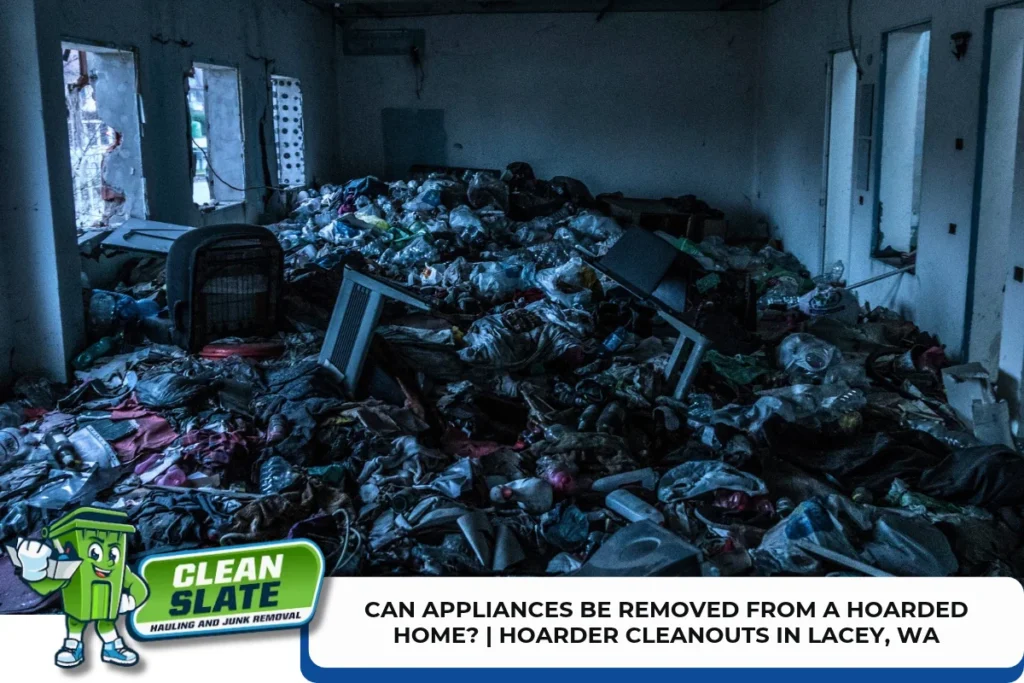
Can Appliances Be Removed From a Hoarded Home?
If you have been researchinghoarder cleanouts in Lacey, WA, the short answer is yes – old, broken, or unused appliances can absolutely be removed from a hoarded home. The real question is how to do it safely. Buried refrigerators, stoves wedged behind piles of belongings, and washers surrounded by years of clutter create real safety concerns that go beyond simple heavy lifting. Ignoring them puts everyone in the house at risk. Both local and regional providers specialize in hoarder cleanouts, bringing the right equipment, protective gear, and experience to handle these situations without causing further harm to the property or the person living there.
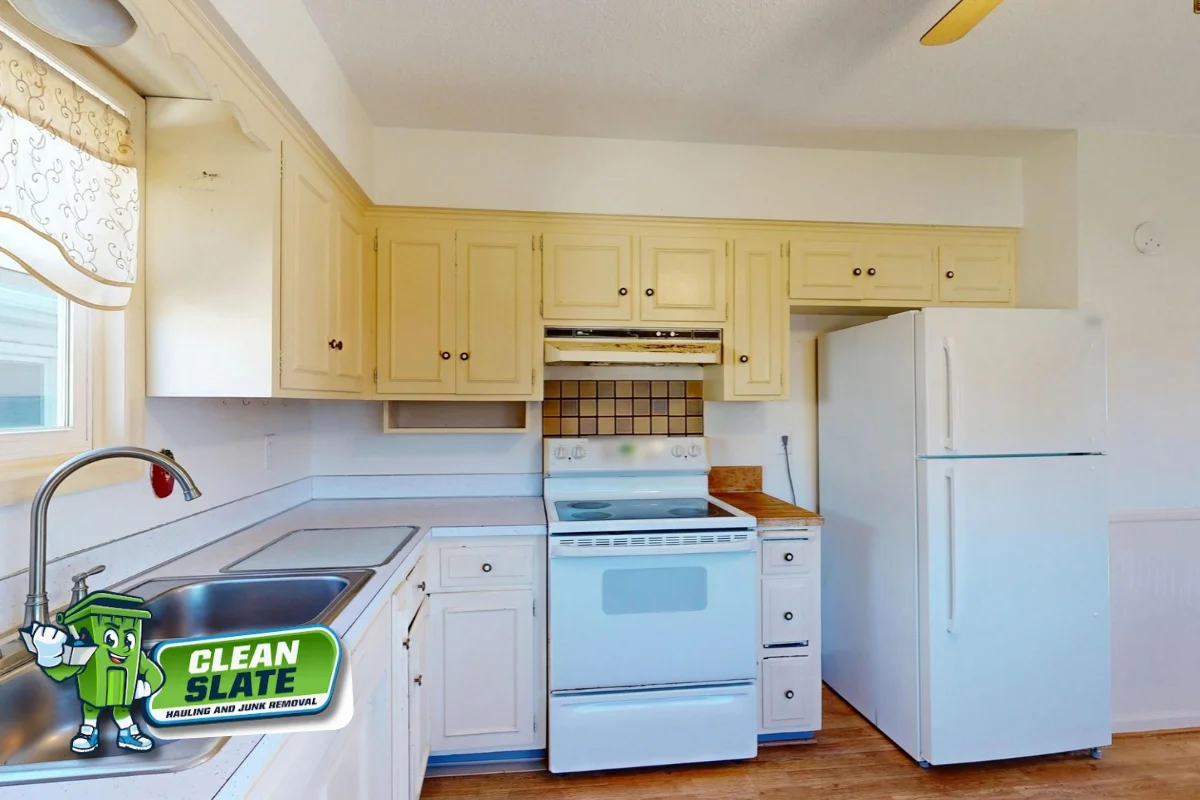
Cleanup can involve removing appliances identified for disposal, including units that are broken, duplicated, or creating hazards. Common appliances found in hoarded homes include:
- Refrigerators and freezers
- Stoves, ovens, and microwaves
- Dishwashers
- Washers and dryers
- Window air conditioning units
- Space heaters
Severe clutter, blocked exits, and unstable piles of items always require a professional assessment before any appliance is moved.
Key Takeaways
- Yes, appliances can be removed from a hoarded home when the job is done with proper safety steps, utility disconnection, and a solid plan.
- Professionals assess fire hazards, structural damage, and blocked exits before moving any stove, fridge, or washer.
- Licensed junk removal crews handle heavy lifting, hauling, and legal disposal or recycling of appliances at approved facilities.
- Appliances containing refrigerants require special handling and disposal fees under Washington State regulations.
- Respectful planning helps protect the person living with hoarding disorder and their daily life routines.
How Hoarding Disorder Complicates Appliance Removal
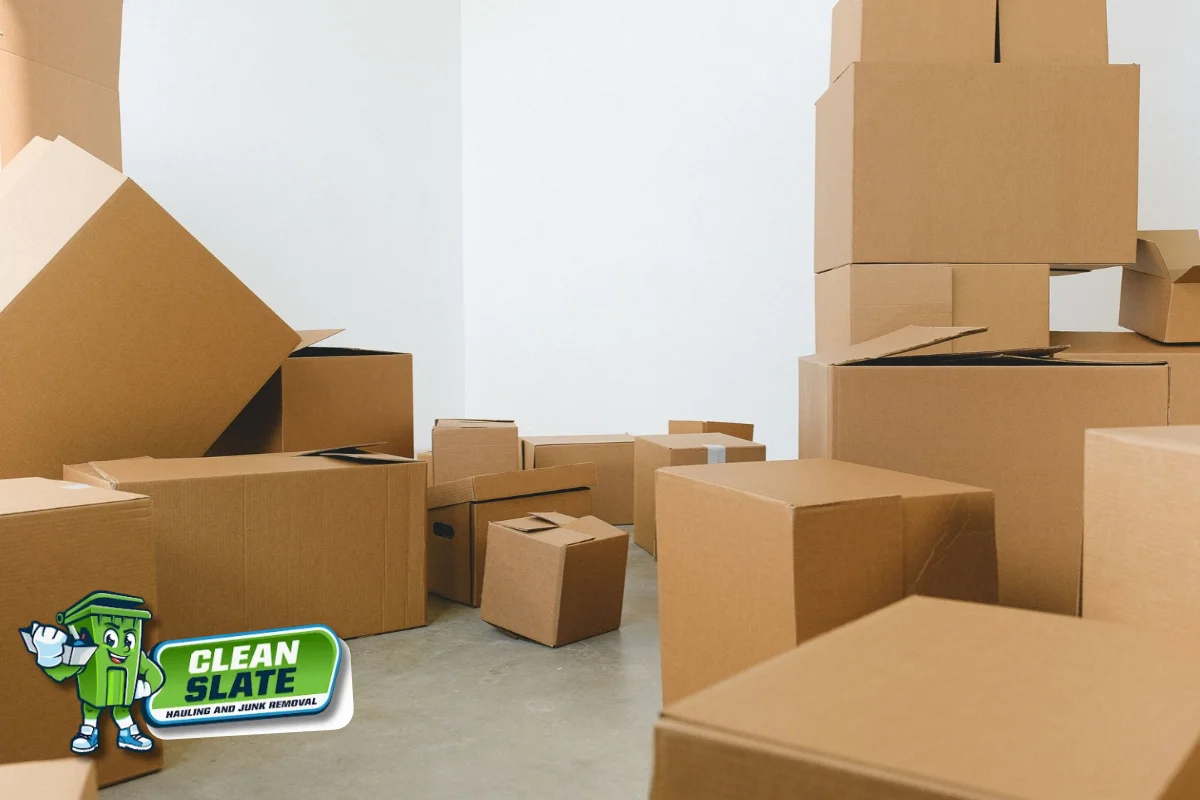
Hoarding disorder is a recognized mental health condition characterized by persistent difficulty discarding possessions, regardless of their actual value. It affects approximately 2-6% of the population, with severity often increasing with age. Many people living with this disorder keep broken refrigerators, duplicate microwaves, or nonfunctional washers because they believe these items might be useful someday.
This emotional attachment runs deep. Anxiety, shame, and fear of losing control can slow down any hoarder cleanout if appliances are removed without the person’s consent. Comorbid conditions like depression and general anxiety are common, making the process even more delicate. According to the Institute for Challenging Disorganization (ICD) Clutter-Hoarding Scale, Level 2 hoarding often involves at least one major household appliance that has been nonfunctional for six months or more, showing how early these patterns disrupt daily living.
Family members should avoid surprise removals. Gradual, respectful conversations centered on safety and comfort tend to produce better outcomes than forced cleanup days. When the person with hoarding behaviors feels involved rather than overruled, cooperation improves significantly.
Safety Risks of Leaving Old Appliances in a Hoarded Home

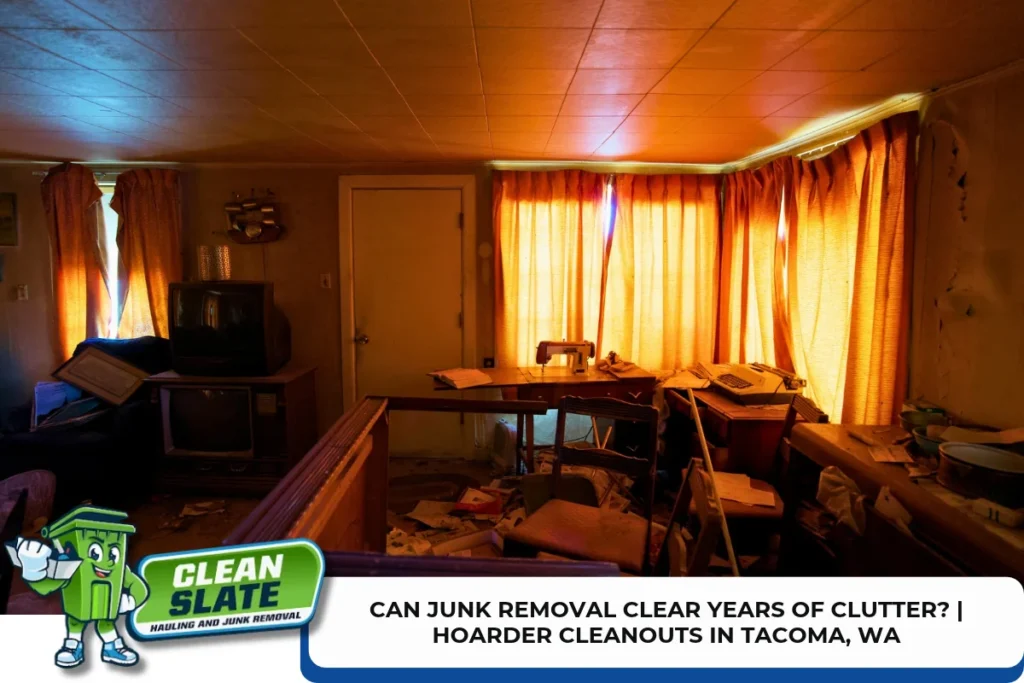
Abandoned appliances hidden beneath or behind clutter create a range of health and safety concerns that worsen over time. Hoarded homes often contain mold and biohazards, particularly around refrigerators left unplugged with spoiled food inside or dishwashers that haven’t drained in years. Mold and mildew grow in areas that simply cannot be cleaned while the mess surrounds them.
The risks stack up quickly:
- Fire hazards increase with piles of combustible materials like paper, clothing, and cardboard pressed against stoves or space heaters
- Overloaded electrical outlets powering multiple old fridges or freezers strain wiring in older homes
- Pests thrive in cluttered homes with food waste and garbage, nesting behind or inside unused appliances
- Heavy appliances stacked with junk stress flooring and contribute to structural damage, especially in wood-frame houses
- Leaking water lines behind washers or dishwashers cause hidden rot and further mold growth
According to the Institute for Challenging Disorganization (ICD) Clutter-Hoarding Scale, Level 5 represents extreme hoarding characterized by blocked exits, severe structural damage, nonfunctional utilities, and completely unlivable, hazardous living conditions. Hoarding can lead to structural damage over time, and a professional junk removal service should evaluate these dangers before any appliance is touched.
Preparing a Hoarded Home for Appliance Removal
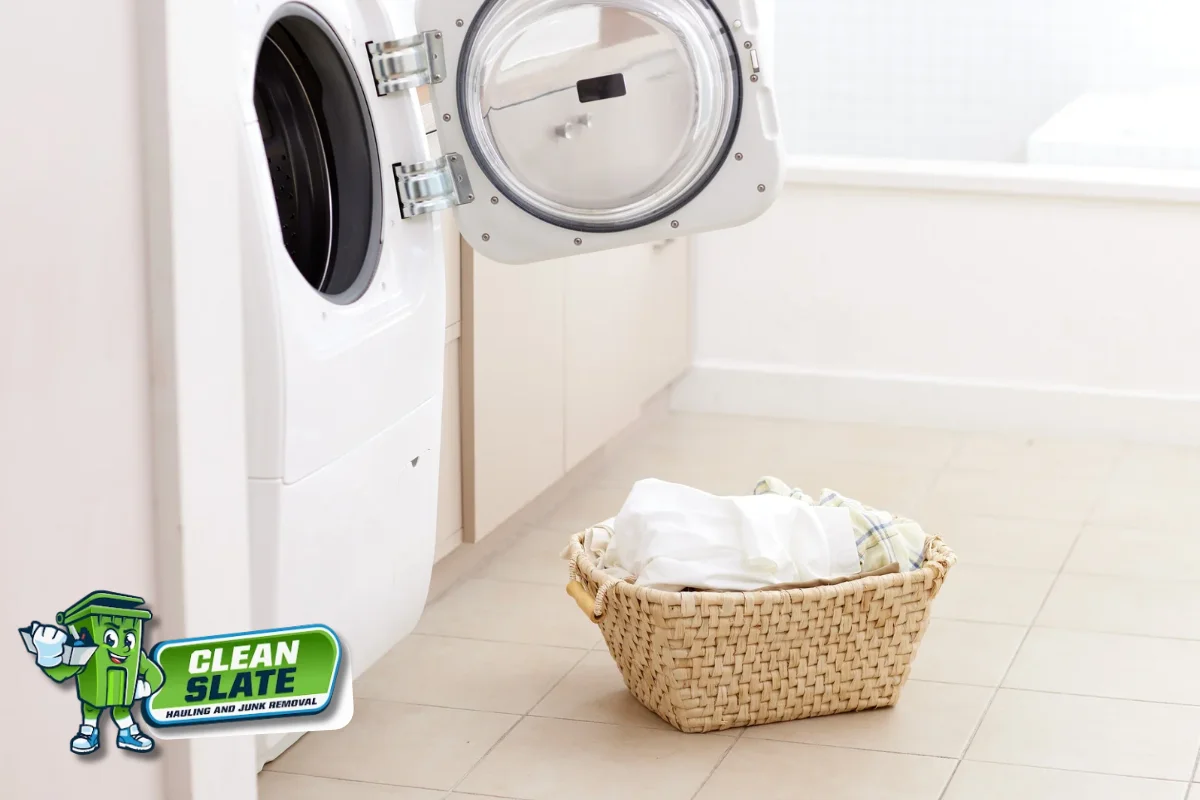
Before anyone hauls out a stove or washer, the property needs preparation. Hoarding cleanup typically starts with an assessment of the space to identify every appliance, map safe walkways, and determine what stays and what goes. Clear pathways to appliances are necessary for safe removal, and safety assessments are recommended prior to any appliance removal.
Key preparation steps include:
- Mapping all exits and verifying they are passable
- Checking stair and floor strength, especially under heavy units
- Measuring doorway widths against appliance dimensions
- Noting water damage, pest activity, or mold under or behind appliances
- Relocating pets and securing valuables or personal items in non-work areas
Professional assessments help shape cleanup plans for hoarding situations of every severity. Cleanup timelines vary based on severity and access to rooms, so the schedule should account for how much clearing is needed before the crew can even reach an appliance. Make sure the home’s utilities – power, water, and gas – are accessible so the team can safely disconnect each unit.
ReadCan Old Furniture Be Hauled Away During Hoarder Cleanouts in Lacey, WA?
How Professionals Safely Disconnect and Haul Appliances
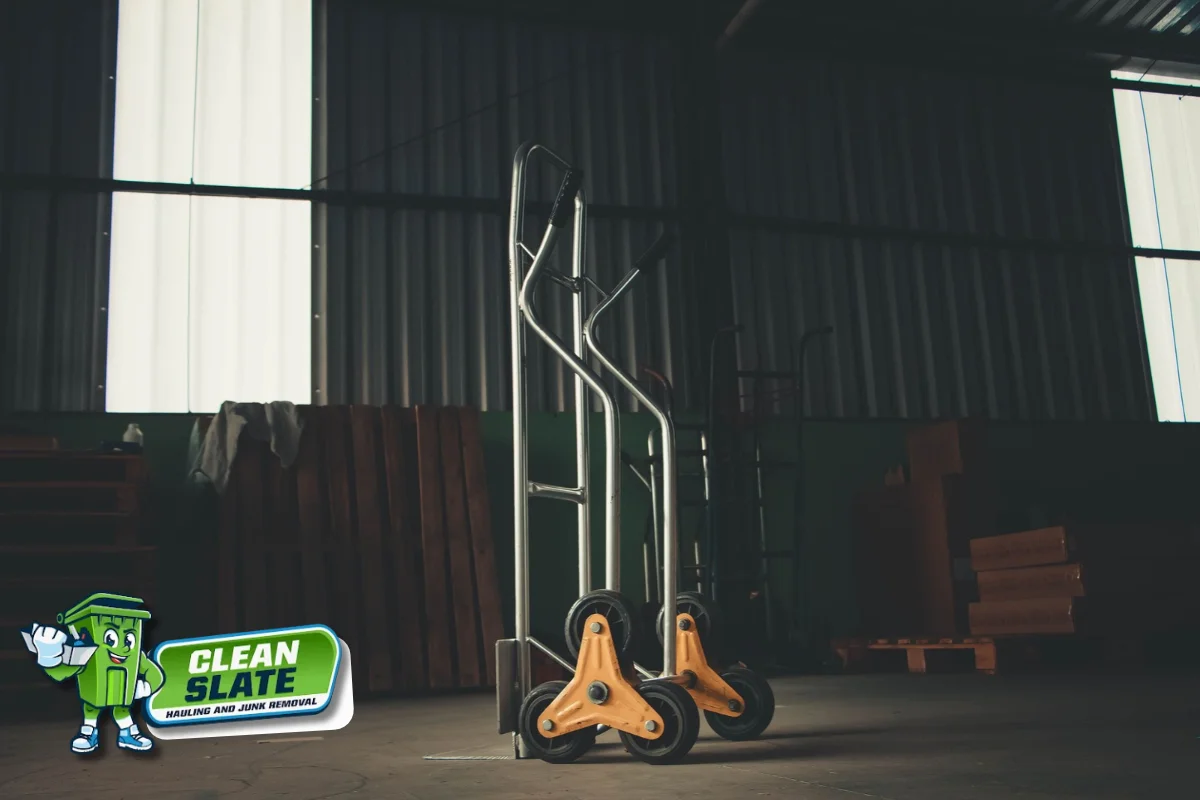
Trained junk hauling teams follow a specific process when removing appliances from a hoarded home. The job is not the same as picking up a used dryer from a clean garage. The environment demands extra precaution at every point.
A typical removal process includes:
- Unplugging standard cord-connected units (with hardwired electrical appliances or natural gas lines safely disconnected and capped beforehand by a licensed electrician, licensed plumber/gas technician, or qualified homeowner), verifying water shutoff valves are closed, and securing doors for transit.
- Taping appliance doors shut to prevent swinging during transit
- Using dollies, appliance sliders, or straps to move heavy units through tight spaces
- Wearing protective gear including respirators, heavy gloves, and boots due to dust, rodent droppings, or spoiled food
Some jobs require light demolition – removing interior doors, damaged shelving, or broken cabinets to create a safe path out of the house. Crews working in hoarding situations understand that the space will not look like a typical room, and they plan accordingly. Reputable providers dispose of or recycle appliances at approved facilities in Washington State, following all local regulations for waste handling.
Legal, Environmental, and Utility Considerations in Washington State
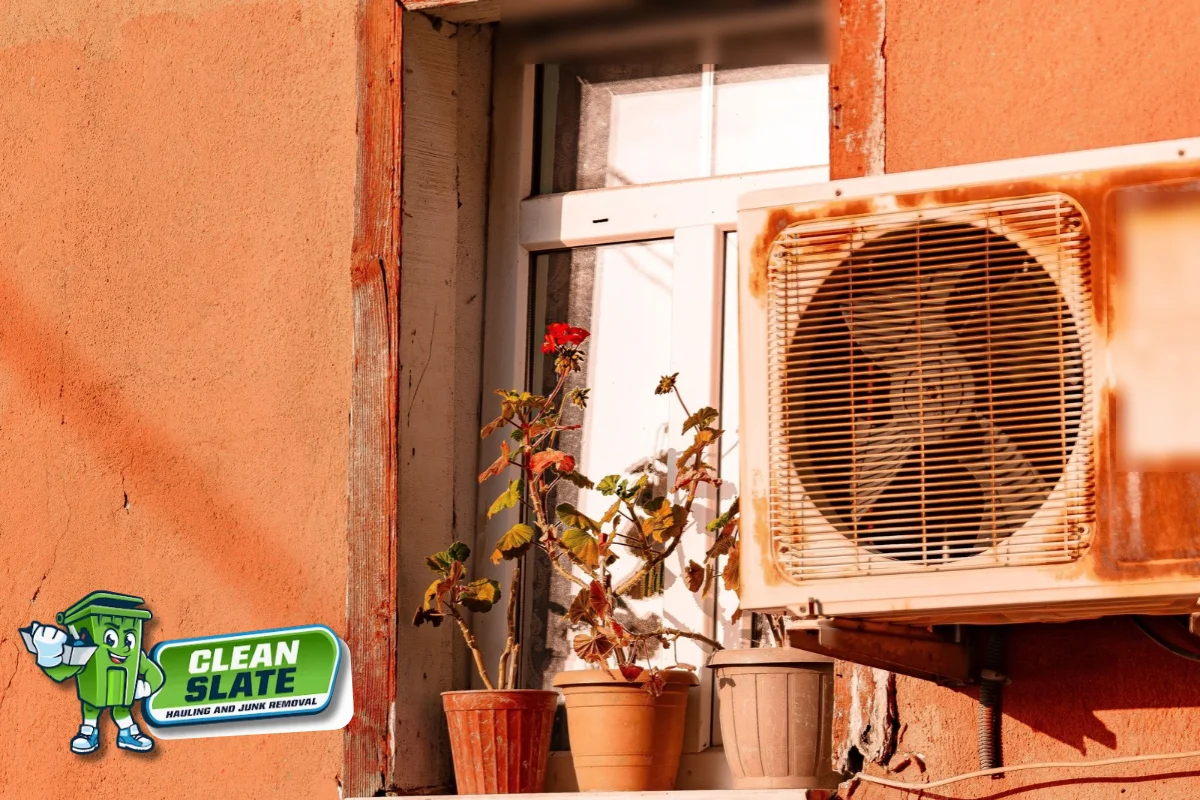
Appliance removal in Washington State must comply with environmental and safety regulations that carry real consequences when ignored. Under federal EPA Section 608 regulations (40 CFR Part 82, Subpart F) and Washington’s Refrigerant Management Program (Chapter 70A.60 RCW / WAC 173-443), regulated refrigerants must be properly recovered by certified technicians before refrigerators, freezers, or window air conditioners are scrapped or recycled. At the Thurston County Waste and Recovery Center (WARC) in Lacey, refrigerant-containing units require separate drop-off and a dedicated refrigerant handling fee.
Thurston County has specific disposal regulations for appliances, and local guidelines prohibit illegal dumping of heavy appliances. Property owners remain responsible for where their waste ends up, so choosing a company that documents proper disposal protects you from liability. Under Washington State L&I and City of Lacey safety codes, standard cord-and-plug appliances can be unplugged once power is turned off, whereas hardwired electrical connections and gas supply lines must be disconnected and properly capped by licensed tradespeople.
Emotional Support and Communication During Appliance Removal

Removing a stove or freezer that someone has owned for decades – even one that stopped working years ago – can feel like a significant loss to a person with hoarding behaviors. The disorder affects how they assign value and meaning to objects, so what looks like junk to neighbors may represent security or identity to the resident.
Strategies that reduce distress on cleanup day include letting the person help choose which appliances go first, taking photos of items before removal, and agreeing on a clear plan well in advance. Focus conversations on safety, having a working kitchen, and comfort rather than judgment or blame. Start with clearly broken or duplicated appliances before touching anything that carries sentimental weight. Clear, calm communication with both the hoarder and the junk removal crew prevents misunderstandings and helps everyone involved stay on the same page.
Creating a Safer, Functional Home After Appliances Are Removed
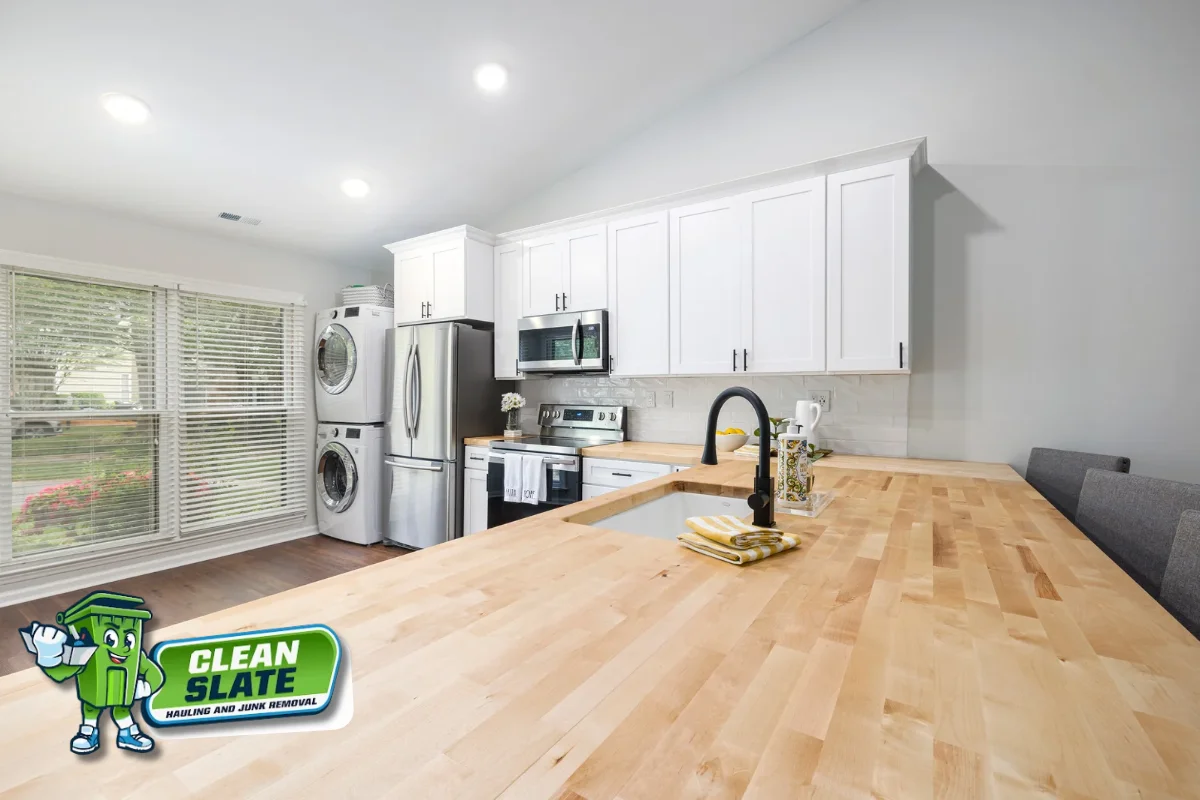
Once bulky appliances and the surrounding debris are cleared, essential rooms like the kitchen, laundry area, and bathroom become usable again. Professional cleanup can restore usable space in hoarded homes, giving the resident access to plumbing, flooring, and walls that may need minor repairs.
Simple wins make a real difference: reclaiming counter space for cooking, re-establishing clear exits for emergencies, and making sure at least one safe cooking and washing option is available. Ongoing support from family members, periodic decluttering sessions, and in some cases therapy help maintain progress so the home does not relapse into unsafe clutter. The entire process comes back to one priority – a safer, more manageable daily life for the person living there.
Hoarder Cleanouts in Lacey, WA – Clean Slate Hauling and Junk Removal
We are Clean Slate Hauling And Junk Removal, and we specialize in hoarder cleanouts in Lacey, WA. Our team handles appliance removal as part of every hoarder house cleanout we take on – refrigerators, washers, dryers, ovens, and anything else that needs to go. We are a junk removal service and hauling company, not a housekeeping or maid service. Our crews manage heavy lifting, safe disconnection, and responsible disposal so families can focus on supporting their loved one through the process.
We approach every job with discretion and zero judgment. Cleanup estimates are provided after an in-person assessment because every property is different. Call us at (360) 227-8738, fill out our contact form, or visit our Lacey, Washington location to schedule your custom estimate. Let our team help you create a safer, cleaner space.
Frequently Asked Questions
Does the Resident Need to Be Present During Appliance Removal?
The resident does not have to be physically present for the entire removal, but having them available at the start of the job is helpful. It allows the crew to discuss which appliances are approved for removal and confirm any personal belongings stored inside or on top of units. If the person living with hoarding disorder prefers not to watch, a trusted family member or friend can serve as a point of contact during the work. Some customers find it less stressful to step away while the team handles the heavy hauling, and that is perfectly acceptable as long as someone authorized is reachable by phone.
How Long Does Appliance Removal Typically Take in a Hoarded House?
The timeline depends on the severity of clutter, the number of appliances, and how accessible the space is. A single bedroom or kitchen with two or three appliances and moderate clutter might take a few hours. A home with multiple rooms difficult to enter, blocked hallways, and stacked belongings could require a full day or more of work. Most cleanup jobs are completed in a single visit, though extreme cases may need a second trip. The team will give you a realistic time estimate after walking through the property and evaluating the scope of the job.
What Should You Do If Pests or Animals Are Living Behind Appliances?
Pests are common in hoarding situations, especially behind refrigerators and stoves where food waste accumulates. If you suspect rodents, insects, or other animals behind appliances, let the removal crew know before work begins. Professional teams wear protective gear and can identify signs of infestation during their initial assessment. Contamination may require additional specialized cleaning, increasing costs beyond the standard removal price. In some cases, a pest control service should address the infestation before or alongside the appliance removal to protect workers and prevent pests from spreading to other parts of the house or yard.
How Do You Coordinate Appliance Removal When Selling or Inheriting a Hoarded Property?
When a hoarded property changes hands through a sale or inheritance, appliance removal is often one of the first steps toward making the house marketable or livable. The new owner or estate representative should research and identify all appliances on the property, then schedule a walkthrough with a junk removal service to discuss what needs hauling. Hoarding cleanup costs vary based on several factors, and the main factors influencing cleanup costs include labor, access to the space, and the volume of material. Getting an account of everything before committing to a price helps avoid surprises and keeps the rest of the process on track.
Can Sentimental Items Stored On or Inside Appliances Be Sorted Before Hauling?
Yes. It is common to find clothes, documents, photos, and other personal belongings stuffed inside ovens, washers, or on top of refrigerators in a hoarded home. A responsible hauling team will give you time to sort through these items before any appliance leaves the property. Talk with the crew ahead of time so they know to pause and let you review contents. This step protects irreplaceable items and shows respect for the person whose belongings are involved. Taking this care does not significantly delay the overall removal and helps prevent regret or blame after the job is finished.
Disclaimer: This article provides general information about hoarder house cleanouts and appliance removal in Lacey, Washington. It is not legal, clinical, or code-enforcement advice. Consult qualified professionals for regulations, mental health care, and safety decisions.
ReadTenant Left Appliances Behind? How Junk Removal in Olympia, WA Can Clean Out Your Rental