Can Junk Removal Really Tackle Hoarder Cleanouts
Hoarder cleanouts in Tacoma, WA are more common than most people realize, and the answer is yes – professional junk removal can clear years of accumulated belongings from a home safely and respectfully. Walking into a house where every room is stacked to the ceiling feels paralyzing. Add mold growing behind forgotten boxes, rodent droppings under paper piles, and exits blocked by old furniture, and the situation becomes genuinely dangerous. Families across Pierce County deal with this stress quietly, often unsure where to start and afraid of judgment. The good news is that experienced teams specialize in exactly this kind of work, combining respectful communication with the equipment and know-how to restore a property to livable condition. This article breaks down the process, safety requirements, costs, and how to find the right help.
Key Takeaways
- Professional junk removal can absolutely handle years of hoarding clutter in Tacoma homes when the project is properly assessed, planned, and executed by a trained team.
- Safe hoarding cleanup involves a structured cleanout process that includes on-site assessment, systematic sorting, hauling, and compliant disposal under Tacoma and Pierce County waste regulations.
- Emotional sensitivity, proper safety gear, and clear boundaries between what stays and what goes are critical during hoarder house cleanouts.
- Readers will find detailed guidance on costs, timelines, what removal services typically include and exclude, and how to choose the right cleanout partner in Tacoma.
What Makes a Hoarder Home Different from Ordinary Clutter?
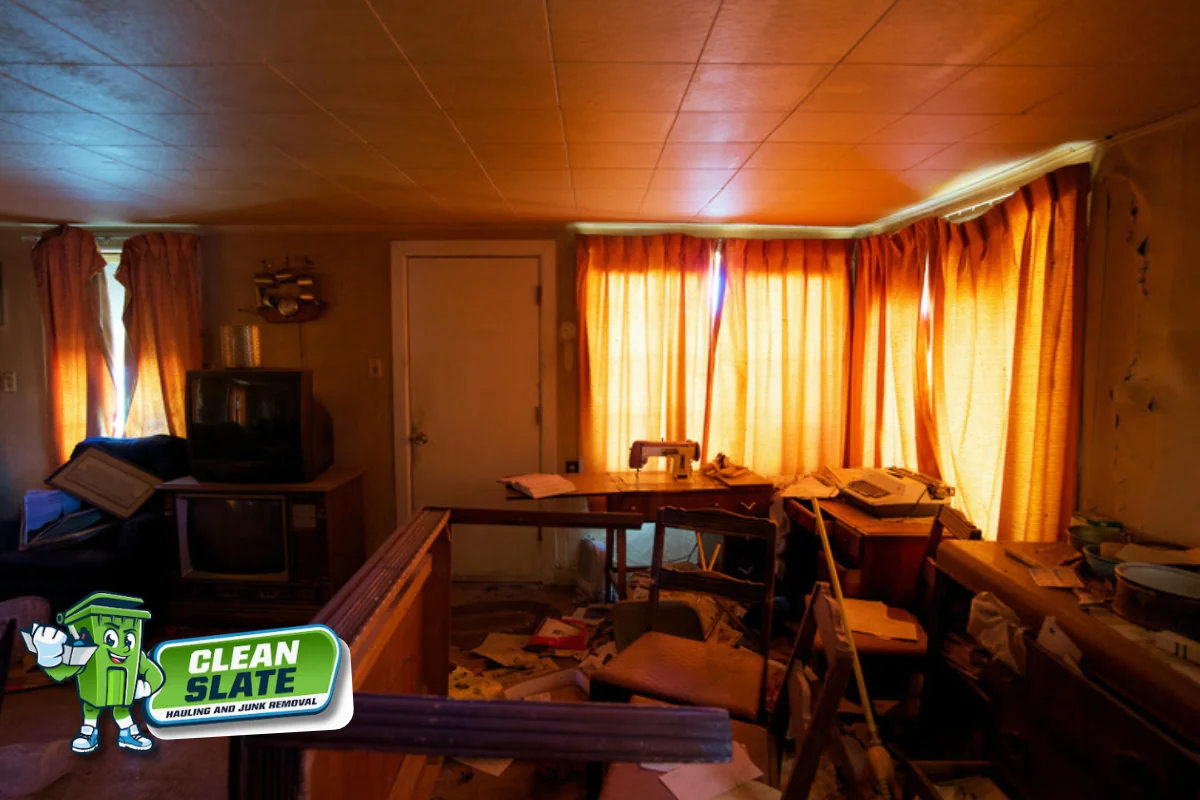
Everyone accumulates extra belongings over time. A messy closet or an overflowing garage does not make someone a hoarder. The distinction matters because it determines the type of service a home needs.
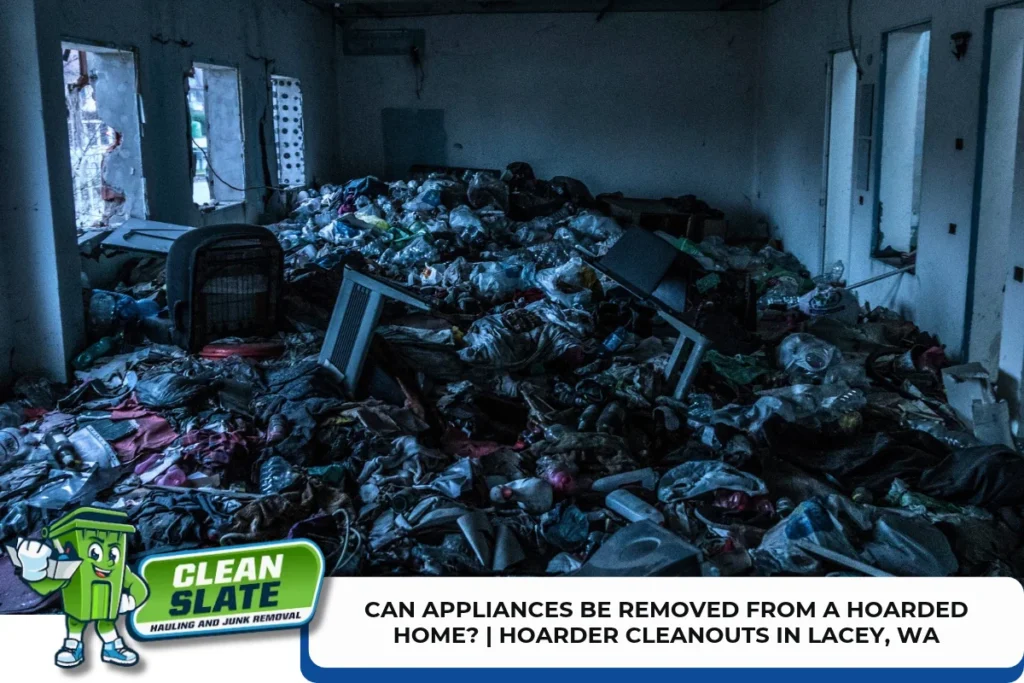
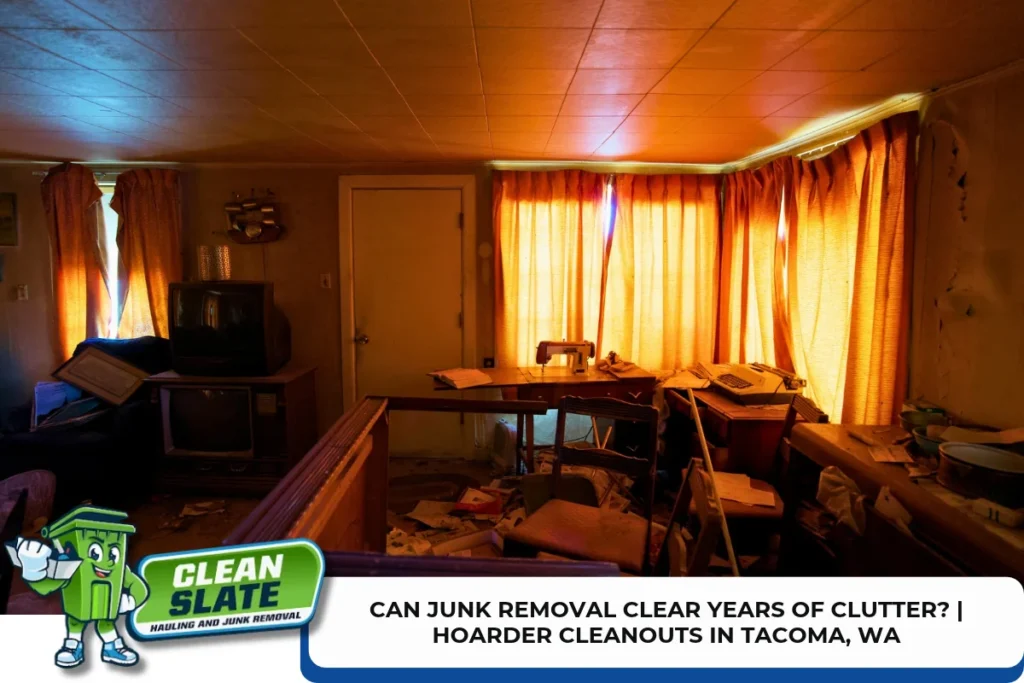
Hoarding involves persistent difficulty discarding possessions, resulting in severe accumulation that prevents normal use of living areas. Rooms may be filled floor to ceiling with stacked newspapers, boxed online purchases, clothing, broken appliances, and general debris. Pathways shrink to a few inches wide, windows get blocked, and entire sections of the house become inaccessible.
The risks compound quickly. Trip-and-fall hazards appear everywhere. Combustible materials stacked near heaters or overloaded electrical outlets create fire danger. Blocked exits turn a home into a trap during emergencies. Hoarding cleanup requires a mix of empathy and specialized sanitization that routine hauling simply does not provide.
These conditions call for specialized work rather than a quick load-and-go approach. Hoarding cleanup can involve full-home decluttering and garage cleanouts, and professional junk removal services can clear out garages and attics that have gone untouched for years. A hoarder home typically means multiple rooms, attached garages, sheds, and sometimes off-site storage areas around Pierce County all need attention within a single project scope.
How Professional Junk Removal Clears Years of Hoarded Clutter
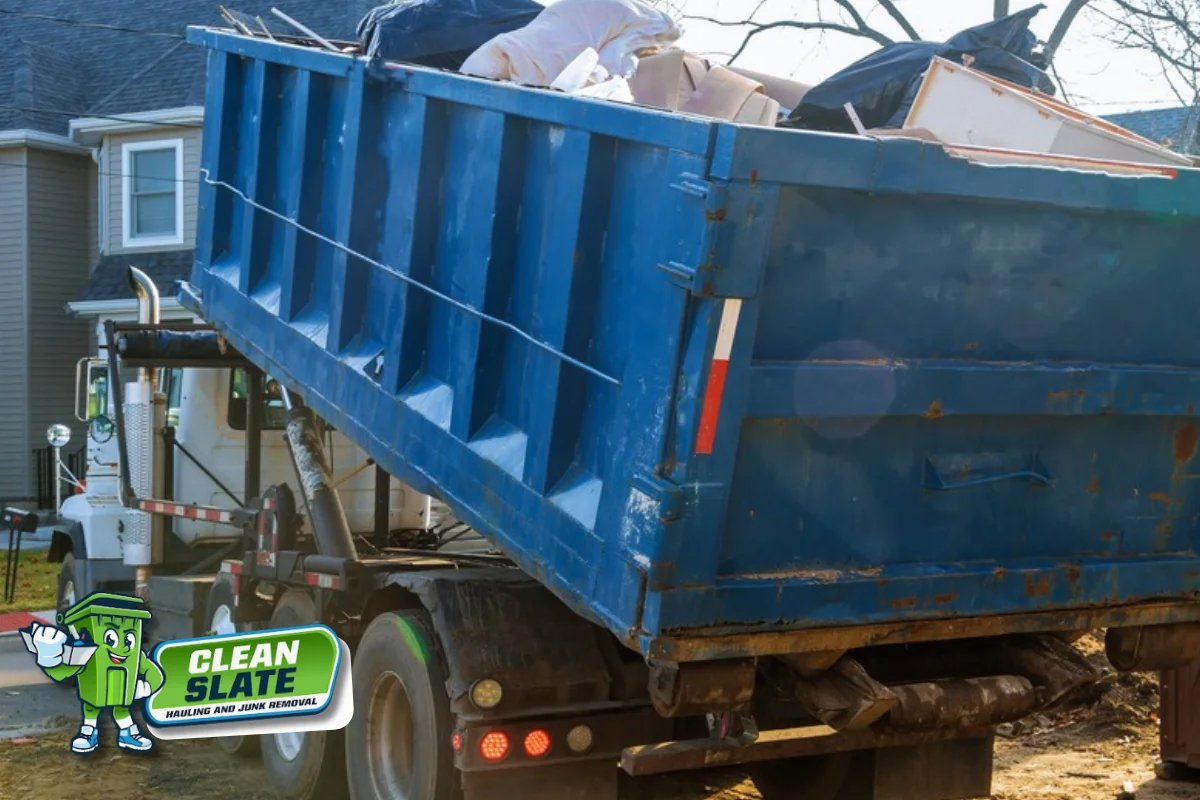
The cleanout process for a hoarded property follows a logical sequence that prioritizes safety, efficiency, and the homeowner’s comfort level. Here is how it typically works from start to finish.
Initial Consultation and Assessment
Everything begins with a phone call or online inquiry. A professional team will ask about the size of the home, the approximate number of affected rooms, and any known hazards. From there, an on-site walkthrough lets the crew see stairs, driveway access, the density of belongings, and any structural concerns. This evaluation shapes the scope of work, estimated timeline, and cost.
Planning and Sorting Strategy
Once the assessment is complete, the crew develops a plan. They map out which areas to tackle first, usually prioritizing rooms that affect safety like kitchens and bathrooms. Teams utilize systematic sorting processes to recover lost valuables and legal paperwork that may be buried in the accumulation. Items get categorized into keep, donate, recycle, and dispose groups.
Active Cleanout and Hauling
Crews create safe pathways before moving large amounts of material. They open doors and windows where possible to improve ventilation. Workers wear gloves, respirators, and protective suits when dust, rodent droppings, or mold are present. Hoarding cleanup services include heavy lifting and item loading, so homeowners are not expected to do the physical work themselves.
Specialized teams can break projects into manageable stages to restore safe living conditions over multiple visits if needed. Junk removal services handle everything from single items to full cleanouts, scaling the crew and equipment to match the job.
Hauling and Disposal
After sorting, unwanted items are loaded onto trucks and transported to the appropriate facilities. Metal goes to recycling, electronics follow local e-waste programs, and usable items in good condition may be routed to donation centers. General trash heads to transfer stations. Responsible disposal is part of every legitimate operation, and firms must comply with Tacoma and Pierce County solid waste rules.
Final Walkthrough
The crew does a broom-sweep finish, reviews the cleared space with the client, and documents before-and-after conditions. Any remaining concerns get addressed. Deep sanitization, structural mold remediation, or certified biohazard cleanup, when required, must be handled by separate licensed remediation specialists once the physical clutter is cleared.
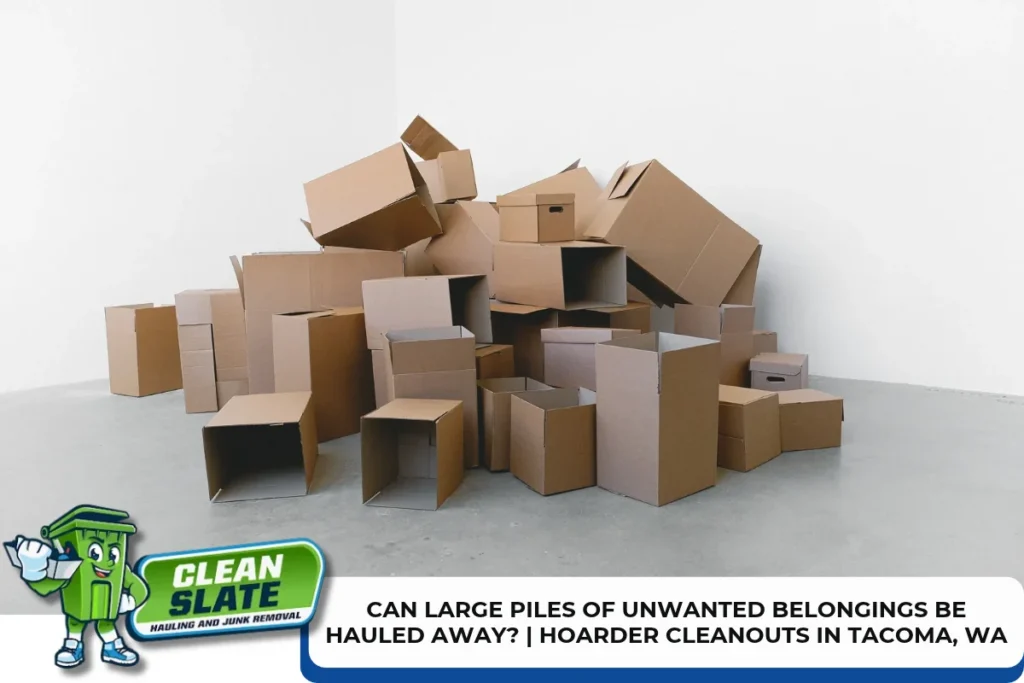
Read Can Large Piles of Unwanted Belongings Be Hauled Away? | Hoarder Cleanouts in Tacoma, WA
Safety, Health, and Legal Considerations in Tacoma Hoarding Situations
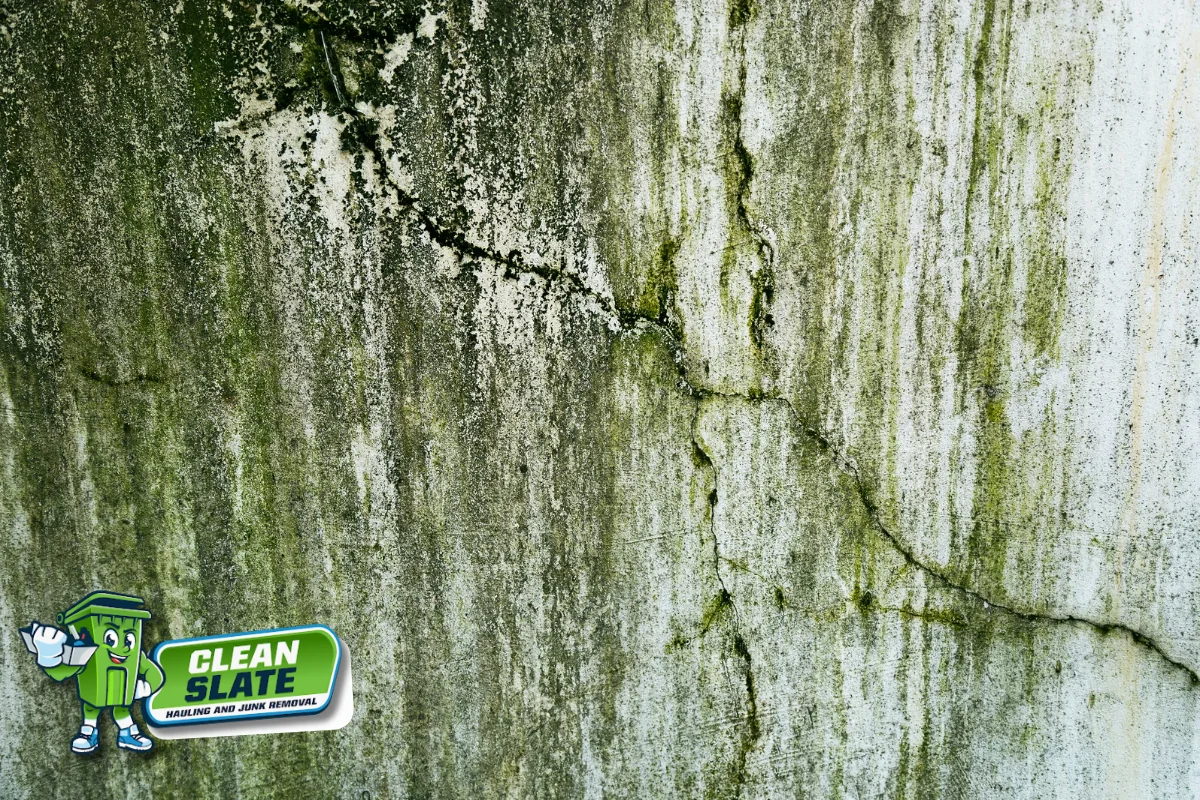
A hoarding situation is not just messy – it can be medically hazardous. Hoarding scenarios often involve mold, pests, and biohazards that require specialized treatment beyond basic hauling.
Health Hazards Hidden in the Piles
Mold spores thrive in dark, damp environments created by years of stacked belongings. Rodent droppings carry disease. Spoiled food attracts insects. Sharp objects buried under clothing or paper can cause puncture wounds. Workers and homeowners alike face respiratory and skin exposure risks without proper precautions.
Protective Equipment and Safe Practices
Trained professionals wear appropriate PPE, use careful lifting techniques, and maintain ventilation throughout the job. Ear, eye, and lung protection are standard. Trained professionals wear appropriate PPE, use careful lifting techniques, and maintain ventilation throughout the job. Ear, eye, and respiratory protection are standard when handling dusty or cluttered environments, while certified biohazard or mold remediation specialists are brought in whenever severe biological contamination or structural mold is present.
Local Compliance in Tacoma and Pierce County
Under Tacoma Municipal Code (TMC Title 8 and Chapter 2.01), severe accumulations of interior or exterior debris, blocked emergency exits, fire hazards, and pest infestations can be cited as public nuisances or substandard housing violations. Removal crews operating in Tacoma and Pierce County must comply with local transfer station rules (such as the Tacoma Recovery & Transfer Center), separate electronics under Washington’s E-Cycle law (RCW 70A.500), and ensure refrigerant-containing appliances undergo certified recovery under federal EPA Section 608 standards.
Standard junk removal companies cannot legally haul hazardous materials such as chemicals, fuels, oil-based paints, or medical sharps, nor can they disturb asbestos-containing materials (which are strictly regulated in Pierce County by the Puget Sound Clean Air Agency). Tacoma and Pierce County residents should bring household hazardous waste to the City of Tacoma Household Hazardous Waste Facility (at the Tacoma Recovery & Transfer Center) or Pierce County’s Hidden Valley drop-off facility.
Fire Safety Priorities
Blocked exits and combustible materials stacked near heat sources represent some of the most urgent dangers. Experienced teams often prioritize clearing these areas early in the cleanout to reduce immediate risk before tackling the rest of the property.
Emotional Sensitivity and Family Dynamics During Hoarder Cleanouts
The physical work of removing clutter is only half the challenge. Hoarder house cleanouts carry deep emotional weight for the people who live in or own the home.
Shame and anxiety run high. Many homeowners have spent years hiding the condition of their house from neighbors, friends, and even family. The idea of strangers entering that space can trigger intense fear of judgment. Professional hoarding cleanup services offer compassionate support, and the best teams understand that trust must be earned before a single box gets moved.
Forced cleanouts without emotional support cause distress and do not solve the root cause of hoarding. Simply emptying a room while the homeowner watches helplessly can lead to severe psychological harm and increase the likelihood of relapse. Professional cleanup teams work at the homeowner’s pace to avoid overwhelming them, allowing breaks and respecting boundaries about what stays and what goes.
A phased approach works well. Starting with a bathroom or kitchen delivers a quick, visible safety win and builds momentum without draining the homeowner emotionally. Belongings with sentimental value get set aside in a designated area so nothing irreplaceable disappears by accident.
Families in Tacoma sometimes coordinate with social workers or mental health providers alongside the removal crew. This is especially common in cases involving elderly residents or situations flagged by adult protective services. Hoarding cleanup services are sensitive and non-judgmental, treating every client with dignity regardless of the severity of the mess.
Planning a Hoarder House Cleanout in Tacoma, WA: Timeline, Cost, and Scope
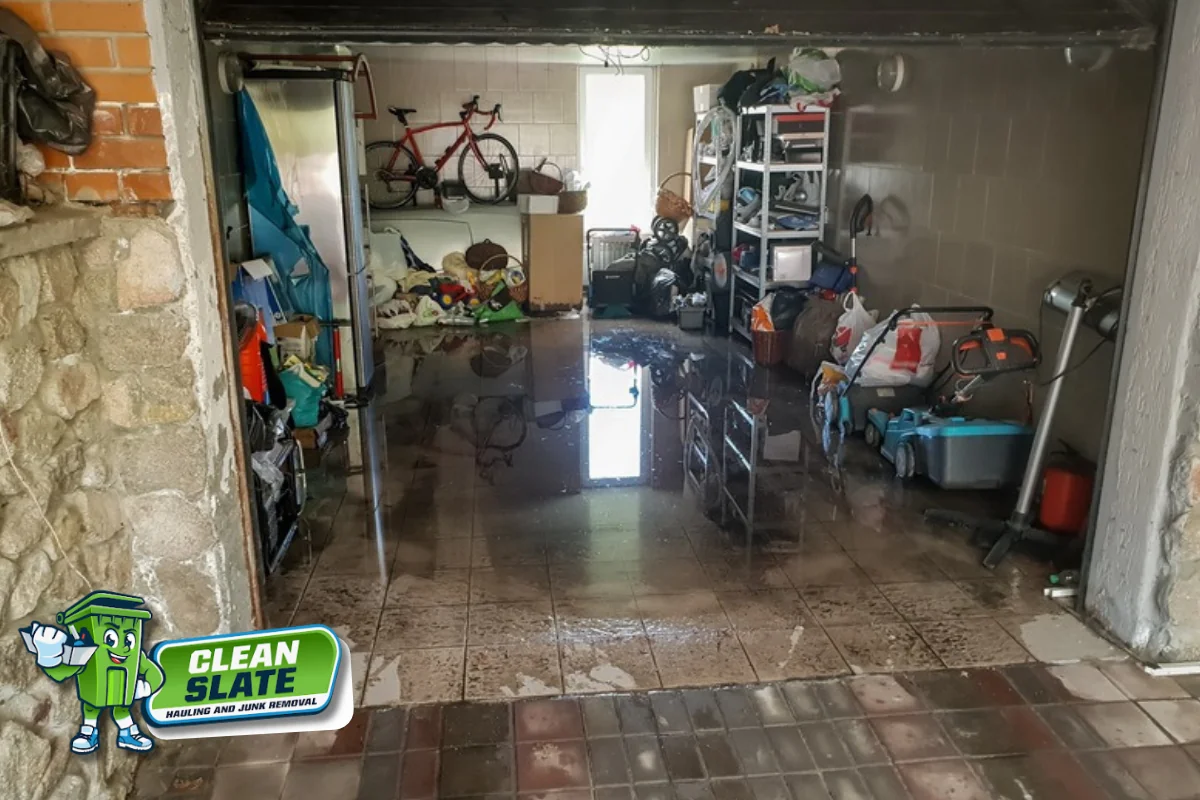
Every hoarding situation is unique, which means timelines and budgets vary widely. Hoarding situations often require customized cleanup plans built around the specific needs of the home and the people involved.
Timeline Expectations
A small apartment or single-room cleanout with moderate clutter might wrap up in one day. A full house with excessive clutter across multiple rooms, a packed garage, and outdoor storage could take anywhere from two to seven days. Severe cases involving biohazard conditions or structural concerns may extend beyond a week, especially if phased scheduling is used to accommodate the homeowner.
Same-day service is often available for urgent junk removal needs, such as when a code enforcement deadline is approaching or a family member faces an imminent health risk.
Cost Factors
Pricing for cleanout services generally depends on volume, weight, labor hours, and disposal fees. Some companies charge by the truckload, others by the cubic yard, and some offer flat-rate bids for entire projects. Key factors that influence the final cost include:
- Total volume and density of material being removed
- Accessibility challenges like narrow hallways, stairs, or limited parking
- Number of rooms plus outbuildings like sheds or detached garages
- Presence of hazardous materials requiring special handling
- Distance to transfer stations or recycling facilities within Pierce County
- Add-on tasks such as light demolition of broken shelving or furniture removal from tight spaces
Most local services provide free, no-obligation onsite evaluations before starting cleanouts. Getting an in-person quote lets the provider see the actual conditions – weight of items, staircase layout, driveway access – before committing to a number.
What Junk Removal Companies Typically Take (and What They Don’t)
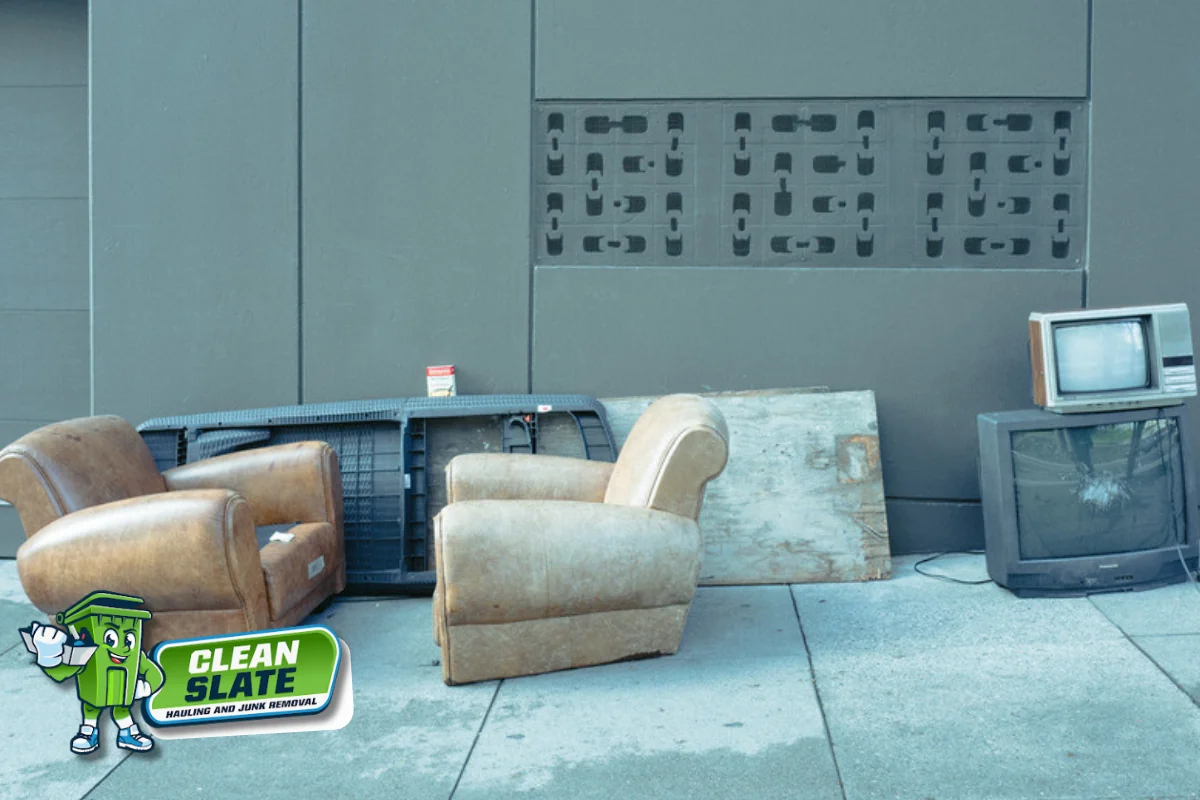
Knowing what a crew will and will not load onto the truck saves time and prevents surprises on the day of the job.
Commonly Removed Items
- Furniture, mattresses, and box springs
- Clothing, shoes, and linens
- Boxes, papers, books, and magazines
- Toys, sporting goods, and general household goods
- Small and large appliances
- Electronics like televisions, monitors, and old computers
- General trash, packaging, and debris
- Bulky items such as old exercise equipment or shelving
Outdoor items frequently found during Tacoma cleanouts include rusted lawn equipment, old grills, bicycles, and bagged yard waste.
Recycling and Donations
Hoarding cleanup prioritizes eco-friendly disposal and recycling whenever possible. Metals get separated for recycling. Electronics follow local e-waste diversion rules. Reusable items and belongings still in good condition may go to donation centers. Junk removal includes responsible disposal through recycling and donations, reducing the environmental impact of every project.
Typical Exclusions
Most removal services will not handle hazardous chemicals, paint, solvents, fuel, or medical sharps. Asbestos-containing materials generally require specialized contractors. Certain construction debris may also fall outside standard hauling scope.
Homeowners wondering about specific items – refrigerators with compressors, large safes, pianos – should ask in advance so crews can plan for the right equipment and manpower.
Choosing the Right Hoarder Junk Removal Partner in Tacoma and Pierce County
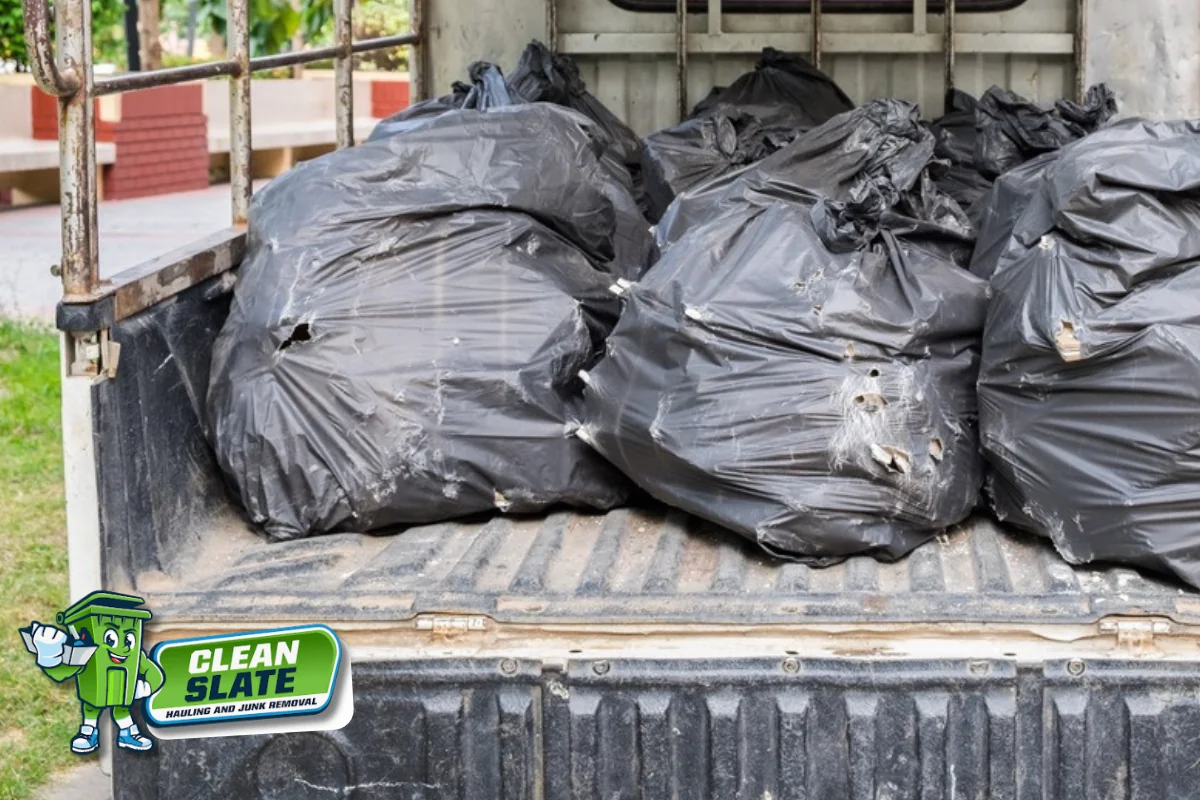
Not every company advertising junk hauling service is equipped for the demands of a hoarder home. Here is what to look for when evaluating providers.
Verify that the company holds active Washington State and City of Tacoma business licenses, carries commercial liability insurance (plus Washington L&I contractor registration if any light demolition is involved), and disposes of debris only at permitted transfer facilities. Ask specifically about their experience with hoarding situations, not just routine residential pickups. A team that has handled severe accumulation before will know how to manage the unexpected – hidden mold, structural weakness, or emotionally difficult moments with clients.
Look for transparent pricing. A written estimate that clearly describes what is included in the house cleanout avoids disputes later. Vague quotes or reluctance to do an on-site walkthrough are red flags.
Compassionate communication matters. The right partner shows up on time, listens to the homeowner’s concerns, and coordinates willingly with family members or caregivers. An experienced team treats the process as a partnership, not just a transaction.
Finally, confirm how items will be handled after they leave the property. Donating usable items, selling anything with resale value, recycling metals and electronics, and sending only true waste to landfill reflects a company committed to doing the job the right way.
Hoarder Cleanouts in Tacoma, WA – Clean Slate
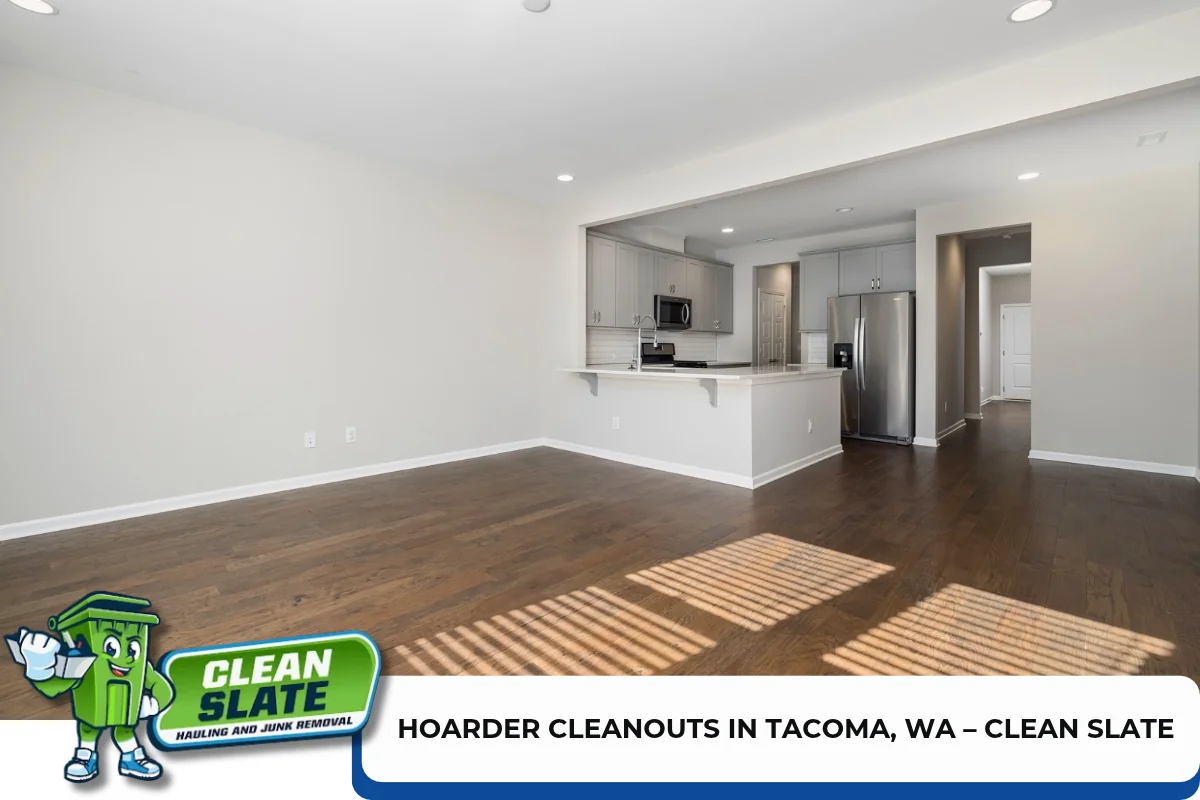
We are Clean Slate Hauling And Junk Removal Tacoma, and we specialize in hoarder cleanouts and large-scale junk removal for homeowners and families across Tacoma, Washington. Our professional team handles the sorting, loading, and hauling so you do not have to face the heavy lifting alone. We are not a maid service or licensed biohazard/mold remediation contractor—we are a dedicated junk removal and hauling service built to manage the heavy lifting, sorting, and compliant disposal of full hoarder house cleanouts with care and efficiency. Our approach is respectful, discreet, and completely non-judgmental. We understand this is a difficult time, and we are committed to making the process as stress free as possible. Call us at (253) 246-1792 or fill out our contact form to schedule your free on-site evaluation. Let our team help you reclaim your space.
Frequently Asked Questions
How should someone emotionally prepare before a hoarder cleanout begins?
Preparing emotionally starts with acknowledging that the process will be uncomfortable but necessary. Consider speaking with a counselor or therapist before the first day of work to establish coping strategies. Let the removal crew know which areas or categories of belongings cause the most anxiety so they can adjust their approach. Having a trusted family member or friend present can provide reassurance without adding pressure. It also helps to focus on the end goal – a safer, more functional living environment – rather than dwelling on what is being removed. Professional teams are trained to pause when needed and respect the homeowner’s emotional limits throughout every stage.
What happens to important documents or financial records found during the cleanout?
Responsible crews set aside any documents, legal paperwork, tax records, or personal identification discovered during the sorting process. These items are placed in a clearly marked container and given directly to the homeowner or a designated family representative. Nothing resembling official paperwork should ever go into the disposal pile without review. If large amounts of paper are present, teams may organize them into general categories – financial, medical, personal – to make later review easier. Homeowners who suspect critical documents are buried in the accumulation should mention this during the initial assessment so the crew can prioritize careful sorting in those areas.
Do pets need to be removed from the home during a hoarder cleanout?
Yes, relocating pets during the active cleanout is strongly recommended for their safety and comfort. Open doors, heavy foot traffic, loud noises, and unfamiliar people create stress for animals and increase the risk of escape or injury. Dust, mold spores, and disturbed debris particles in the air can also harm pets, particularly birds and small mammals. Arrange temporary care with a friend, family member, or boarding facility for the duration of the project. Once the space is cleared and any necessary sanitization is complete, pets can return to a much safer and healthier environment. Mention any pet-related concerns to the crew during your initial consultation so they can plan accordingly.
How early should someone contact a junk removal company when anticipating a move or estate situation?
Reaching out at least two to four weeks before a deadline gives both the homeowner and the removal company adequate time to plan properly. Estate situations following the passing of a loved one benefit from even more lead time, as family members often need days just to identify what should be kept versus removed. Scheduling early also increases the likelihood of securing preferred dates, especially during busy seasons. If the property has significant accumulation or potential hazards, an early assessment allows the crew to arrange the right number of workers, trucks, and any specialized equipment. Rushing a cleanout under time pressure typically leads to higher costs and more stressful decision-making for everyone involved.
Can follow-up visits help prevent a home from returning to hoarding conditions?
Periodic maintenance visits can make a meaningful difference in preventing relapse. Some removal services offer scheduled follow-up appointments – monthly or quarterly – to address any new accumulation before it spirals. These visits are typically smaller in scope and cost significantly less than a full cleanout. Pairing ongoing removal support with organizing habits and, where appropriate, mental health counseling creates a more sustainable outcome. Family members can also play a role by checking in regularly and helping maintain clear pathways and functional rooms. The goal is not perfection but maintaining safe, livable conditions that protect the resident’s health and preserve the progress achieved during the initial cleanout.
Disclaimer: This article provides general information about hoarder cleanouts and junk removal in Tacoma, Washington. It is not legal, medical, or mental health advice. Readers should verify current local regulations and consult qualified professionals for their specific situation.
Read Downsizing Made Easy: How Junk Removal in Tacoma, WA Tackles Leftover Clutter