Construction Debris Removal for Broken Tiles and Renovation Waste
Construction debris removal is the single biggest headache most Vancouver residents face after a home renovation wraps up. You tore out the bathroom floor, ripped down old cabinets, and now your garage looks like a disaster zone filled with cracked ceramic, bags of grout dust, and splintered trim. The pile keeps growing, and your regular garbage service will not touch it. Here is the good news: a professional junk removal company can load, haul, and properly dispose of most non-hazardous remodeling waste in full compliance with local regulations. This article covers exactly what can and cannot go, how pricing works, options for same day or next day service, and what to look for when choosing a reputable hauler in Vancouver, WA.
Key Takeaways
- Most junk removal services in Vancouver, WA can haul broken tiles, drywall, lumber, and other non-hazardous renovation waste without issue.
- Hazardous materials like asbestos-containing tile, liquid paint, solvents, and certain chemicals require specialized contractors and cannot go with a standard junk hauling load.
- Separating construction materials such as tile, wood, and metal before pickup can streamline pricing and improve recycling outcomes.
- Following Clark County and City of Vancouver disposal rules protects you from fines, liability, and illegal dumping penalties.
- Homeowners, landlords, property managers, and contractors can all save significant time by hiring a professional hauler instead of self-hauling to local transfer stations.
What Junk Services Can Haul from Renovation Projects in Vancouver, WA
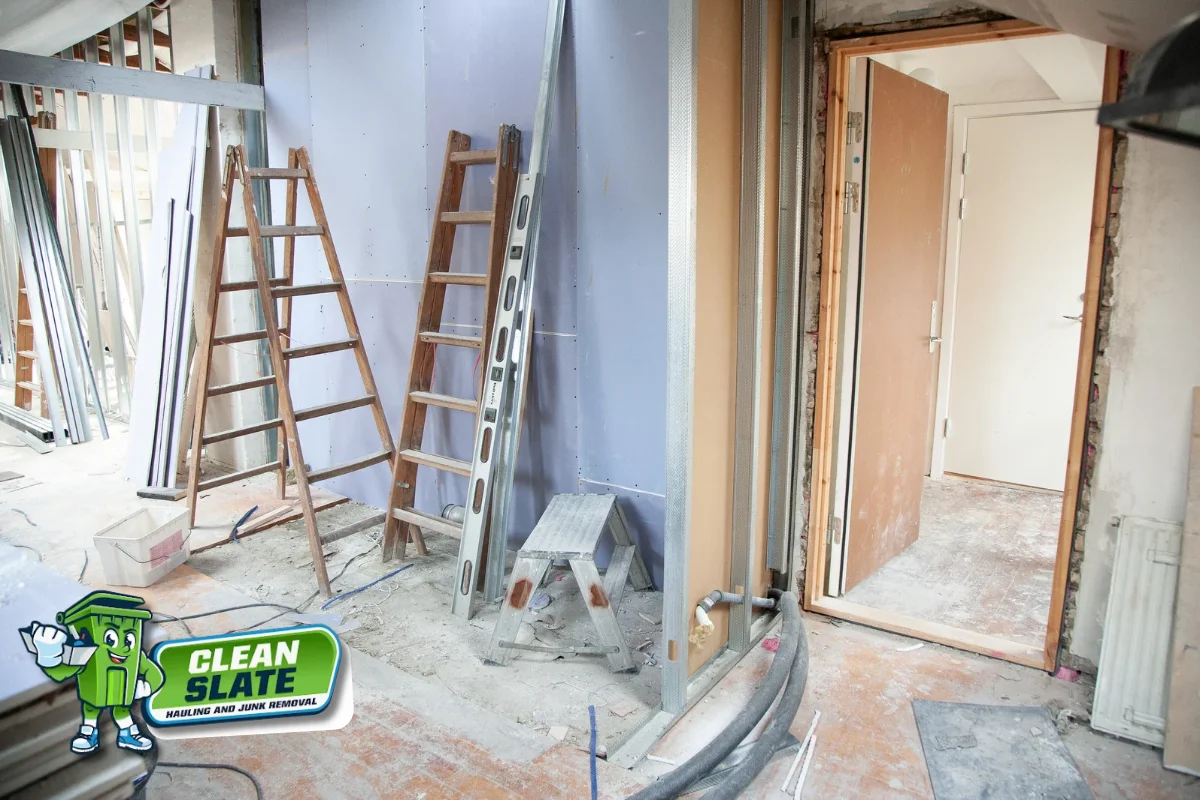
Most full-service junk removal companies handle a wide range of construction and renovation materials once those items are safe to handle and free of hazardous contaminants. Private junk removal services often advertise inclusive construction debris removal, covering everything from a small bathroom remodel to a large-scale gut job.
Here is what typically gets accepted:
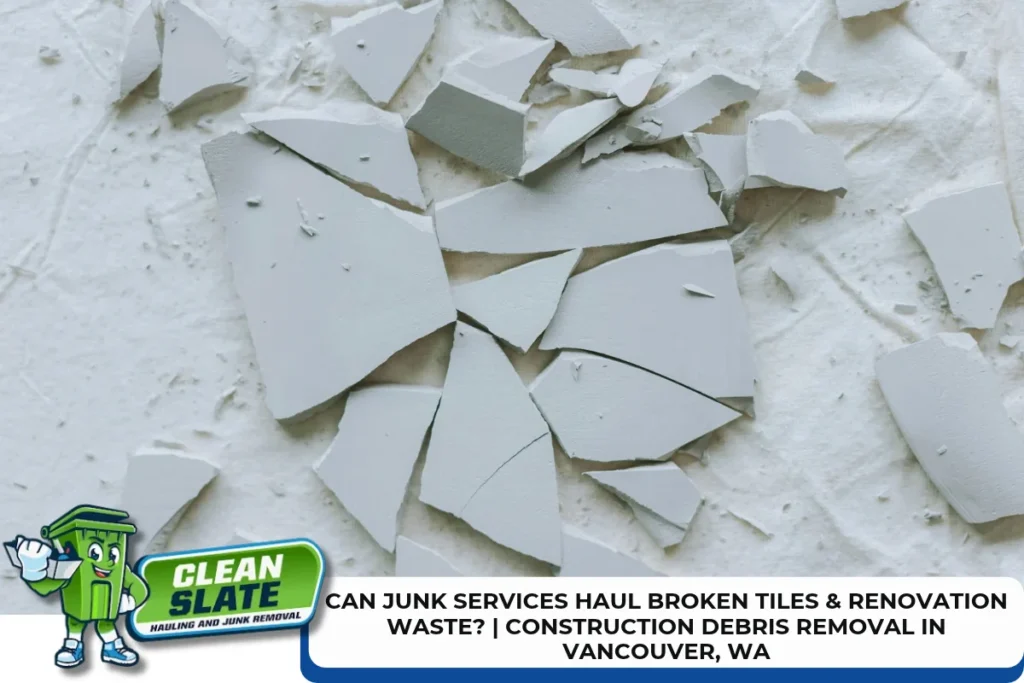
- Broken ceramic and porcelain tiles
- Hardened grout buckets and thinset bags
- Drywall scraps and sheetrock offcuts
- Lumber, trim, baseboards, and interior doors
- Cabinets and laminate countertops
- Non-hazardous roofing materials and shingles
- Carpet, padding, vinyl flooring, and underlayment
- Small amounts of non-contaminated insulation
Renovation debris includes drywall, wood, and flooring, and all of these fall squarely into what a typical hauler will collect. Construction debris also includes metal framing, old ductwork, and copper pipe, which haulers often accept and may even divert for recycling.
Bulky items tied to renovations are fair game too. Old vanities, sinks, toilets that are dry and emptied, and bathtubs (excluding heavy cast-iron models, which may carry a surcharge) are routinely loaded. Junk removal also includes furniture, appliances, and yard debris, so if your project has you clearing out old furniture alongside demo waste, you can usually combine everything into one pickup. Renovation waste disposal services handle various construction materials in a single trip, making it practical to pair a declutter session with post-remodel cleanup.
Construction projects generate various debris like concrete and lumber, and most haulers can accommodate moderate quantities alongside lighter materials.
Materials Junk Haulers Usually Cannot Take: Safety and Compliance Limits
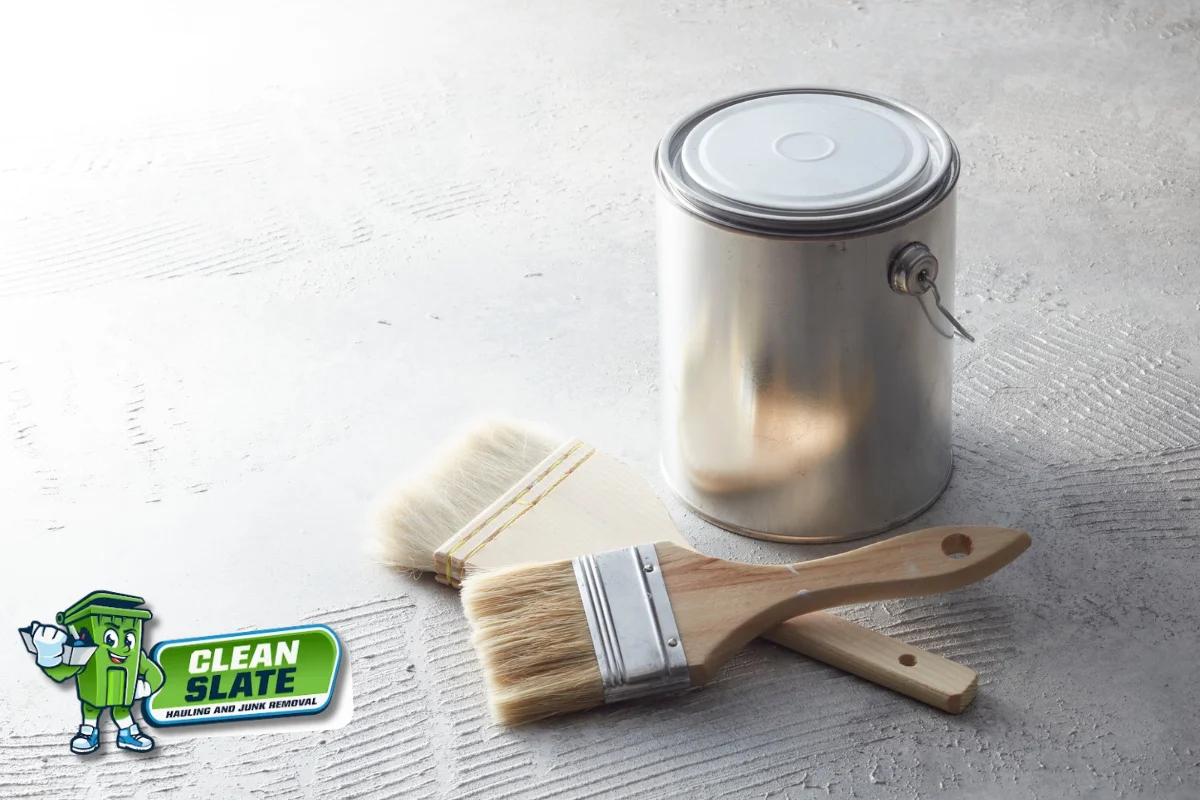
Vancouver and Clark County follow Washington State safety rules, which means some construction debris requires specialized handling and falls outside the scope of standard junk removal services. Renovation waste must be safe to handle before disposal, so anything that poses a health risk to crew members or the public gets flagged.
Items haulers typically cannot accept:
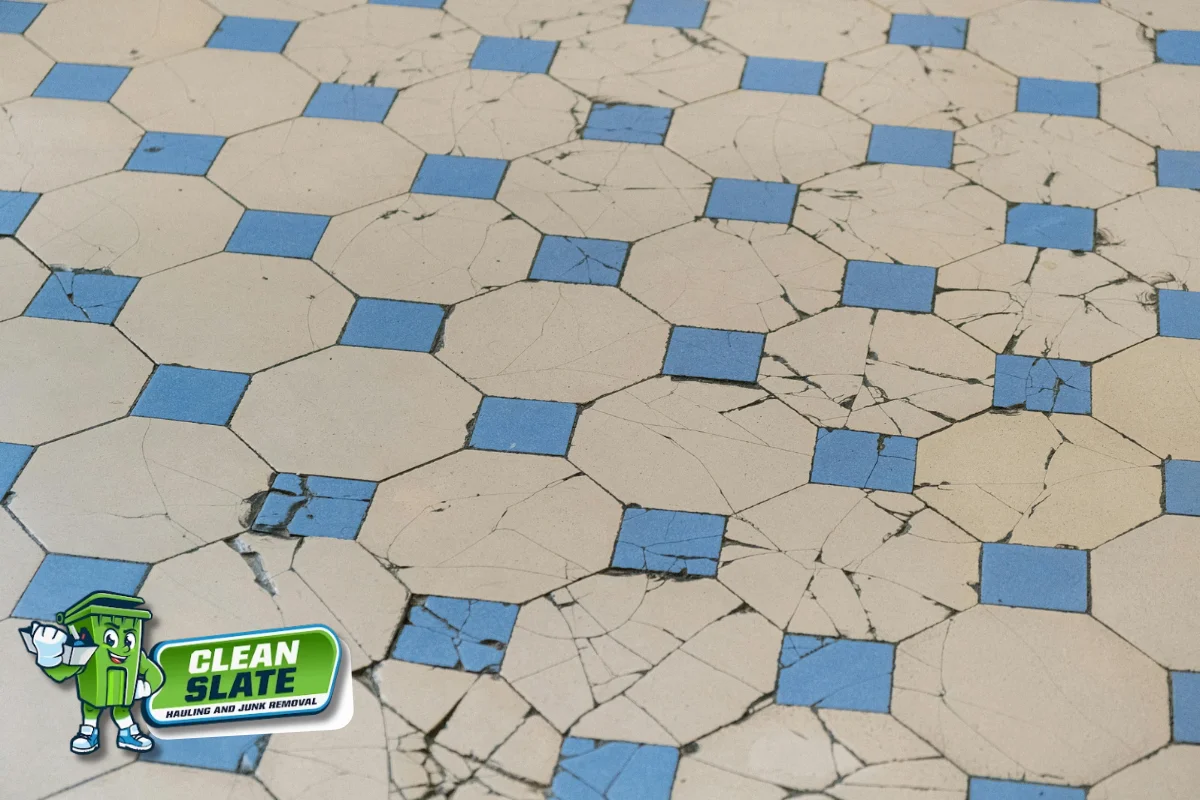
- Tile or mastic suspected of containing asbestos (common in homes built before the mid-1980s)
- Vermiculite insulation and older popcorn ceiling texture that has not been tested
- Liquid paint, solvents, fuel, open adhesive containers, and construction chemicals
- Debris contaminated by mold, sewage backup, or recent fire damage
- Large volumes of concrete, brick, or masonry beyond what the truck can safely carry
Junk removal services typically do not take hazardous waste like asbestos or lead. Under Southwest Clean Air Agency (SWCAA) Regulation 476 and Clark County transfer station rules, suspect building materials—such as pre-1980s vinyl tile, black mastic, drywall joint compound, and vermiculite—must be surveyed by an AHERA-certified asbestos inspector before disposal. If materials test negative, documentation must accompany the load to the transfer station; if materials test positive for asbestos, they cannot go in a standard junk truck and must be removed and transported by a Washington L&I-certified asbestos abatement contractor.
Hazardous materials like paints and solvents need to go through approved household hazardous waste programs. Clark County operates permanent drop-off locations at facilities including the Central Transfer and Recycling Center, West Van Materials Recovery Center, and Washougal Transfer Station, each with limited hours for hazardous waste acceptance.
If you are not sure about a specific item, ask the hauling company before booking. Getting asbestos testing or remediation completed ahead of time keeps the entire process on track and prevents delays on pickup day.
How Construction Debris Removal Works for Homeowners and Contractors
The typical junk removal process follows the same general steps whether you are a homeowner finishing a kitchen remodel, a landlord turning over a rental, or a contractor clearing a job site. Volume and scheduling are the main differences.
Here is the usual flow:
- You call or fill out an online form, share photos of the debris pile, and receive an estimate range.
- A crew arrives in a truck and confirms the final quote on site based on how much space your debris occupies in the bed.
- The team handles all heavy lifting, loading materials from your garage, driveway, backyard, or interior rooms.
- The truck heads to a designated transfer station or recycling facility for proper disposal.
Same-day renovation waste removal is available in Vancouver, WA, and many providers can also offer next day service when schedules allow. Full-service junk removal can do the physical loading of dense materials, which saves you from wrestling with heavy tile fragments or stacking drywall sheets into a borrowed truck. Junk removal services can clear clutter in under 60 minutes for small to medium loads, helping homeowners get their usable space back fast.
Construction debris removal helps keep projects moving efficiently, especially for contractors who schedule recurring pickups during active remodels. Homeowners more often book a single haul at the end of the project. Contracted haulers manage local construction debris pickup in Vancouver, so whether you need one visit or several, the service scales to your timeline.
Separating your debris into piles before the crew arrives speeds up the entire process. Group tile with tile, wood with wood, and metal with metal. This small step reduces confusion during pricing and can open the door for better recycling outcomes.
Vancouver’s wet winters complicate construction debris handling because soggy drywall and rain-soaked carpet weigh significantly more. If you are working through the rainy season, try to stage materials under cover to keep weight and mess manageable.
Read Can Roofing Waste Be Hauled Away? | Construction Debris Removal in Vancouver, WA
Pricing, Load Sizes, and Weight Limits for Renovation Debris Hauling
Most junk removal companies price construction debris by the volume your load occupies in the truck. Transparent pricing is based on the volume of junk removed, and reputable haulers will confirm your cost before a single piece gets loaded.
Here is how load sizes generally break down:
| Load Size | Typical Use Case |
|---|---|
| Small (around 2 cubic yards) | A few boxes of broken tile, one vanity, a small pile of trim |
| Medium (around 8 to 12 cubic yards) | One-room renovation: cabinets, flooring, drywall, fixtures |
| Full truck (around 16 cubic yards) | Multi-room remodel or large demolition haul |
| Dump truck (around 21 cubic yards) | Major renovation or whole-house cleanout |
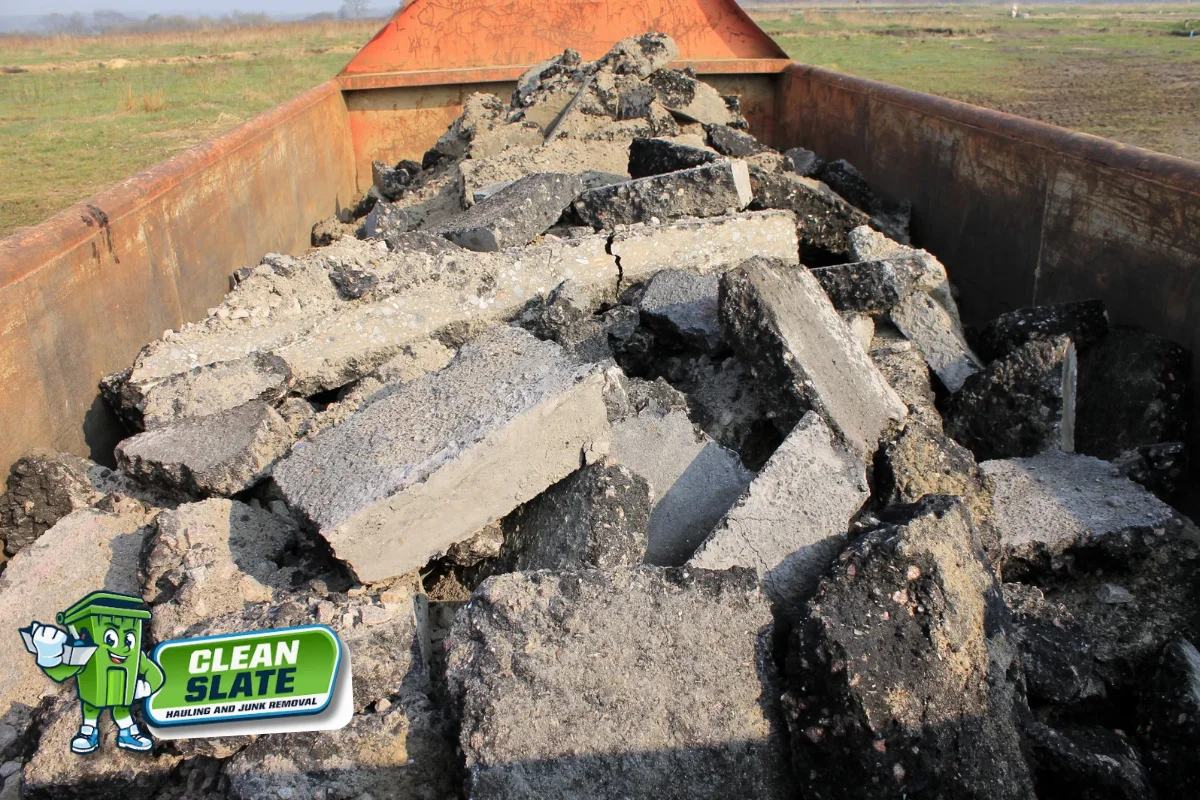
Heavy materials like broken tiles can quickly exceed weight limits in dumpsters and truck beds alike. Dense construction materials such as tile, concrete, soil, and roofing can reach truck weight limits quickly, so haulers may restrict how much fits in one load even if there is physical space remaining.
Local transfer stations charge by weight plus a transaction fee for disposal, and those tipping fees get passed through in your quote. Showing clear photos or short videos of your debris pile helps haulers provide accurate estimates for removal in Vancouver, WA and reduces the chance of a surprise adjustment on site.
Possible surcharges to ask about:
- Stair carries or long carries from a backyard to the street
- Disassembly of built-in shelving or large fixtures
- Extremely heavy single items like cast-iron tubs or stone countertops
Ask whether tipping fees, fuel, and disposal costs are included in the quoted price so there are no hidden fees once everything is on the truck. Upfront pricing protects you and keeps the relationship straightforward.
Self-hauling to transfer stations can be a cost-effective option for DIYers with a truck and the time to make the trip. But for most people, the convenience of having a crew show up, load everything, and handle disposal outweighs the savings.
Responsible Disposal, Recycling, and Local Rules in Clark County
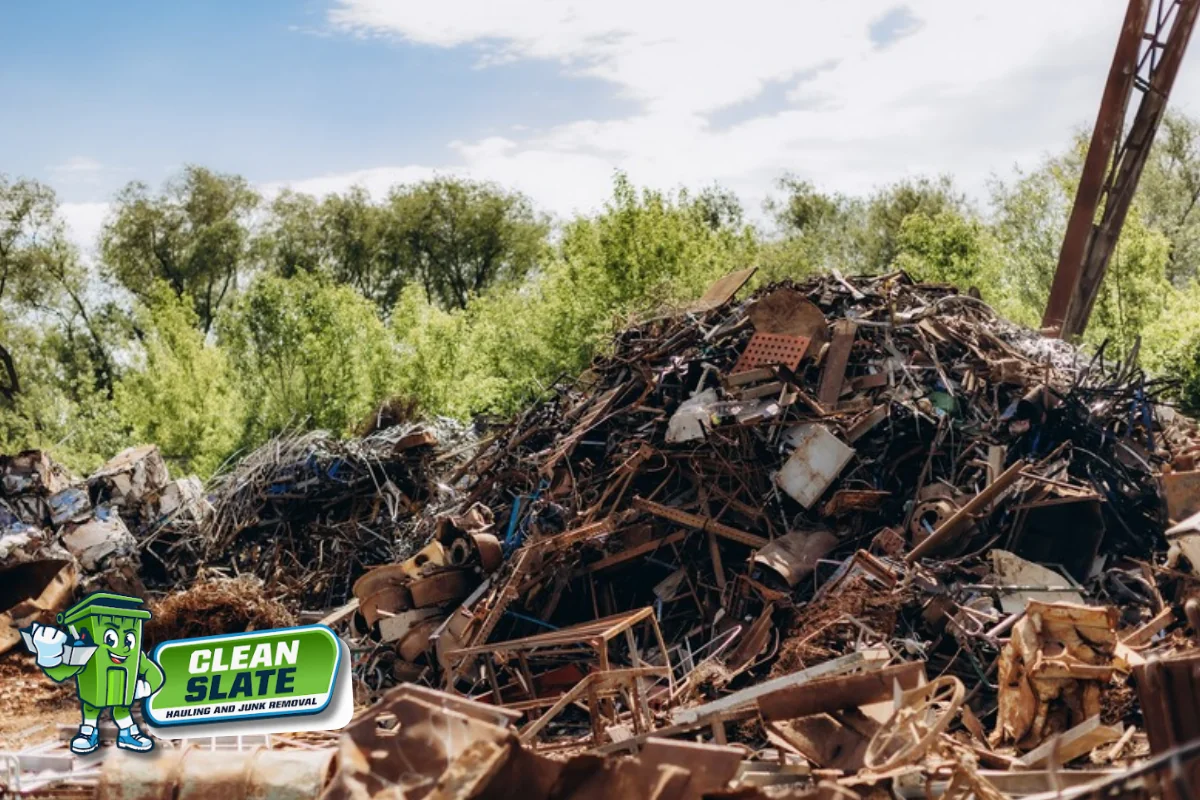
Clark County and the City of Vancouver promote responsible disposal of construction waste and actively discourage illegal dumping. Responsible disposal practices minimize landfill waste from renovations and debris alike, and staying compliant protects both your property and the environment.
Reputable junk removal services prioritize eco-friendly disposal practices by sorting loads to divert recyclable materials. Scrap metal, clean wood, brush, and branches can often be recycled rather than sent to a landfill. Recycling of clean construction materials should be considered before disposal, especially for larger projects where the volume of salvageable material is significant. Some haulers also set aside items in decent condition for donation to local charities or reuse organizations.
Under Vancouver Municipal Code (VMC Title 6), construction and demolition debris must be transported to authorized recycling or transfer facilities, and commercial projects are encouraged—or required under city C&D diversion rules—to separate recyclable wood, metal, and clean aggregates from landfill waste. Local haulers transport heavy debris to designated regional transfer stations or recycling facilities, where materials are weighed, sorted, and processed according to Clark County guidelines.
A few rules to keep in mind:
- Do not mix renovation waste with your curbside household recycling cart or yard debris bin. Those programs do not accept construction materials.
- Under Washington State law (RCW 46.61.655), all vehicles hauling debris—whether self-haul or commercial—must secure loads with tarps or tie-down straps. Unsecured loads risk Washington State Patrol citations as well as mandatory unsecured-load surcharges at Clark County transfer stations.
- Licensed facilities have specific hours for accepting different waste types, including limited windows for hazardous waste drop-off.
- Regulations and facility acceptance lists can change, so confirm current guidelines with your hauling provider before scheduling.
Keep staging areas safe for the crew by sweeping up loose nails, broken tile shards, and screws. Clear pathways reduce trip hazards and help the job wrap up faster.
Choosing a Junk Removal Company for Renovation Waste in Vancouver, WA
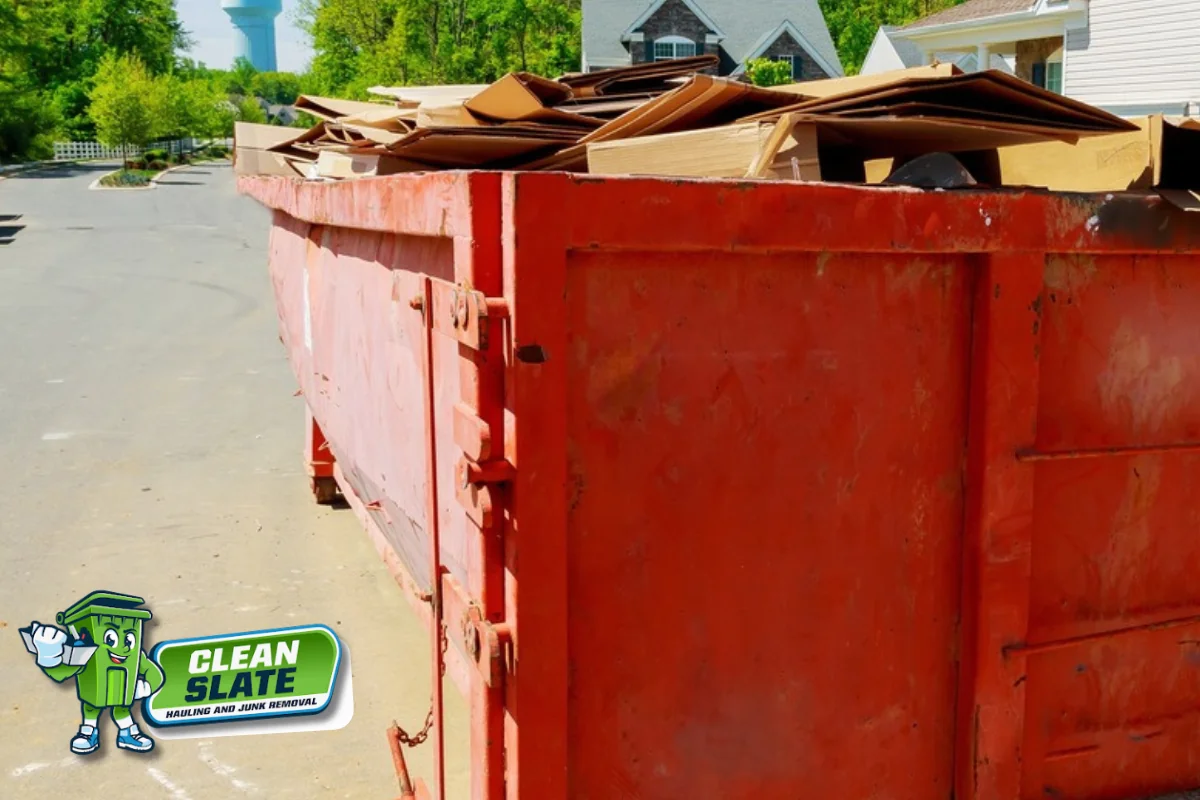
Renovation debris jobs benefit from experienced, insured providers rather than ad-hoc hauling arranged through social media or classified ads. A legitimate junk removal service holds active Washington State and City of Vancouver business licenses, carries commercial liability and auto insurance (plus Washington L&I contractor registration if any light demolition is involved), and understands local hazardous material rules.
Selection criteria worth checking:
- Proof of insurance and a real business address serving Vancouver, Washington and surrounding areas like Battle Ground and other Vancouver neighborhoods
- Clear explanations of what construction debris they accept and what they decline
- Whether the company can offer same day or next day service for time-sensitive projects
- Ability to handle larger jobs like an estate cleanout or full-home renovation alongside standard pickups
- Emphasis on recycling and responsible disposal, helping homeowners reduce the environmental footprint of their project
Ask for a written or texted estimate before work begins. Transparent communication about any potential extra charges prevents friction once the truck is loaded. A company that explains its pricing structure clearly is one worth doing business with.
Keeping records of your debris removal, including receipts and invoices, is smart practice. Documentation supports project records, can be useful during property sales, and provides a paper trail showing proper disposal for contractors working on permitted jobs.
Whether you are a homeowner finishing a single-room remodel, a landlord managing a turnover, or a contractor clearing a demolition site, choosing the right hauler makes the difference between a smooth wrap-up and a lingering mess.
Construction Debris Removal in Vancouver, WA – Contact Clean Slate Today
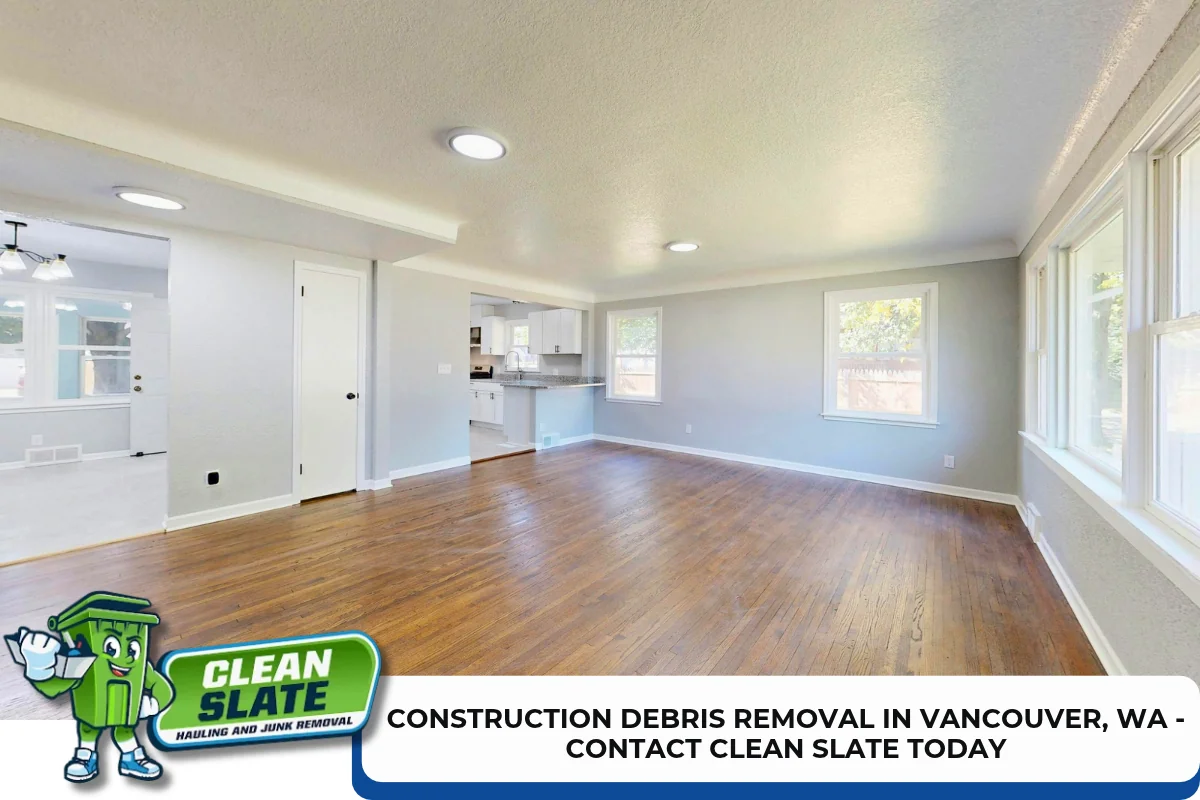
At Clean Slate Hauling And Junk Removal Vancouver, we handle the heavy lifting so you do not have to. Our crew hauls broken tiles, drywall, cabinetry, flooring, concrete, and other non-hazardous renovation debris for homeowners, investors, property managers, and contractors across Vancouver, WA. We load everything, sweep the area, and dispose of all construction debris in compliance with Vancouver and Clark County rules.
We are not a cleaning company. We are a junk removal service and hauling provider specializing in property cleanouts, post-renovation debris removal, and general waste hauling. We can often offer same day pickup or next day service when our calendar allows, so your project stays on schedule.
Call us at (360) 469-5802 or fill out our contact form to request a firm estimate. Let Clean Slate Hauling And Junk Removal handle the mess while you enjoy the finished result.
Frequently Asked Questions
What if I Only Have a Small Amount of Broken Tile from a Bathroom Remodel?
Many junk removal companies have a minimum charge that covers the trip, crew time, and disposal costs, even if your pile is small. That minimum typically applies to loads around two cubic yards or less, which is roughly a few heavy-duty trash bags and a couple of boxes. If you have other clutter to get rid of, such as old furniture, outdated appliances, or general household items, combining everything into one pickup stretches the value of that minimum fee. Send photos of your tile pile to the hauler beforehand so they can confirm whether the quantity justifies a visit or if self-hauling to a local transfer station might be more economical. As long as the tile is non-hazardous, dry, and accessible, a professional pickup remains a convenient option for even modest bathroom projects.
How Should I Prepare My Renovation Debris Before the Junk Haulers Arrive?
Gather your construction debris in one or two accessible areas such as the driveway, garage, or a ground-floor room near an exterior door. Stack broken tiles in sturdy boxes or five-gallon buckets to contain sharp edges and make carrying safer for the crew. If you have loose lumber or trim with exposed nails, either pull the nails or bend them inward and bundle the boards together. Keep pathways clear of power tools, extension cords, and personal belongings so the team can move efficiently. Labeling any questionable items, like older tile you are unsure about, and mentioning them at the start of the appointment gives the haulers a chance to confirm what can go and flag anything that might need special handling before it gets loaded.
Can I Mix Household Junk with Construction Debris in the Same Pickup?
Most junk removal providers welcome mixed loads that include both household items and construction debris, as long as everything is non-hazardous. A common combination might be old furniture and garage clutter alongside flooring scraps and demolished drywall from a wall removal. Mixing items usually does not increase cost beyond the total space used in the truck, though very heavy debris like tile or concrete may limit total load volume due to weight restrictions. Let the hauler know in advance what mix of items you have so the right size truck and crew can be scheduled. This is especially helpful during a full home renovation where you are decluttering rooms at the same time you are tearing out old construction materials.
What if My Renovation Takes Longer and I Am Not Ready on the Scheduled Pickup Day?
Contact the junk removal company as soon as you realize your timeline has shifted. Most providers can reschedule without penalty if you give reasonable notice, typically twenty-four to forty-eight hours. Last-minute cancellations after a crew has already been dispatched may result in a trip fee, so early communication is important. For longer projects, consider planning a mid-project debris pickup to clear the site and free up usable space, then booking a final haul once everything is complete. Setting a realistic target date based on your contractor’s timeline, material delivery schedules, and any required inspections prevents unnecessary rescheduling and keeps your project organized from start to finish.
What Should I Do if I Am Not Sure Whether Some of My Debris Is Hazardous?
Err on the side of caution. Do not place suspected hazardous materials into a general junk removal pile. Instead, set those items aside in a clearly marked area away from the rest of your debris. Contact your hauling company and describe the materials, including the age of your building, the type of tile or insulation in question, and any labels on old containers. In some situations, professional testing is needed to rule out asbestos or lead-based paint before disposal can proceed. Under Southwest Clean Air Agency (SWCAA) Regulation 476 and Clark County transfer station rules, suspect building materials—such as pre-1980s vinyl tile, mastic, drywall joint compound, and vermiculite—must be surveyed by an AHERA-certified asbestos inspector and accompanied by negative test documentation before they can be accepted at local transfer stations. Separating questionable items keeps your regular construction debris removal moving smoothly while you arrange the correct hazardous waste handling through approved channels or a licensed permit.
Disclaimer
This article provides general information about renovation debris removal in Vancouver, Washington. It is not legal advice. Consult local authorities, Clark County Public Works, or a licensed waste professional for guidance specific to your project and materials.
ReadClear Out Fast: Can Junk Removal in Vancouver, WA Help After an Apartment Move?