Hoarder cleanouts are rarely as simple as renting a dumpster and clearing everything in one weekend. If you are helping a loved one or managing a property in Tacoma with severe clutter, the idea of tackling the entire process in a single push can feel paralyzing. Hoarding affects nearly 2.5 percent of the general population, and the accumulated items inside a hoarder house often include safety risks that go well beyond ordinary mess: fire hazards from stacked paper, blocked exits, animal waste, mold behind walls, and sharp objects hidden in piles. The emotional weight on the hoarder and their families can be just as heavy.
The answer is yes. Phased, step-by-step hoarder house cleanouts are not only possible in Tacoma, WA, they are often the safest, most practical, and most compassionate path forward. This guide maps out how to design a staged cleanout plan, what local disposal rules you need to follow, and when it makes sense to call in professional cleanout services.
Key Takeaways
- Hoarder cleanouts in Tacoma, WA absolutely can be done in stages, and staged hoarder cleanouts are often recommended by both mental health researchers and cleanout professionals for safety and emotional reasons.
- A phased cleanout process reduces overwhelm for the resident or family member while addressing urgent safety hazards like blocked exits, fire hazards, and animal waste first.
- Tacoma Municipal Code Chapter 12.09 governs solid waste and hazardous materials disposal, meaning each stage of a hoarder house cleanout must follow local rules for responsible disposal and recycling.
- Professional help is necessary for biohazards or structural damage, including heavy mold, needles, or large amounts of contaminated debris that pose health risks.
- A staged hoarder cleanout combines junk removal, deep cleaning, and long-term prevention planning to restore safety and create a livable space that lasts.
Why Staged Hoarder Cleanouts Make Sense in Tacoma, WA
A staged hoarder cleanout means breaking the job into multiple visits with prioritized zones and defined milestones, rather than attempting to strip a property bare in one exhausting session. Each phase targets a specific area or type of hazard, and the work begins only after the previous stage is complete and stable.
There are strong reasons this approach works better in most hoarding situations.
A staged approach reduces overwhelming stress during cleanouts. Recognizing the emotional challenges associated with hoarding is crucial for success, and a compressed timeline often triggers panic, grief, or resistance that can stall the entire project. Emotional trauma can impact the hoarding cleanup process significantly, which is why regularly scheduled cleanup sessions can reduce emotional fatigue and give the resident more control over what stays and what goes.
From a safety standpoint, staging allows you to address life-threatening issues first. Clearing exit paths is critical for safety during cleanouts, and a phased plan ensures that pathways, utilities, and fire escape routes are handled before anyone moves on to less urgent clutter in storage spaces or attics.
Tacoma’s older housing stock presents its own challenges. Many homes, especially around the north end and in pre-war neighborhoods, have narrow hallways, steep stairs, and limited exterior access. Small apartments and senior housing add further constraints. Pacing the cleanup work across multiple sessions prevents structural overload and gives you time to coordinate with therapists, case workers, or social services without rushing the hoarder’s recovery.
Step 1: Assessing a Hoarder’s House and Prioritizing Hazards
Before any removal happens, a thorough assessment sets the foundation for everything that follows. Walk through the property with the resident and, if possible, a trusted family member. The goal is to identify what must be addressed immediately and what can wait.
Key safety checks during an initial assessment include:
- Blocked exits and pathways that create safety hazards during an emergency
- Overloaded electrical outlets or buried extension cords
- Flammable piles of paper, clothing, or chemicals
- Structural damage such as sagging floors, water-damaged walls, or compromised stairs
- Visible mold, pest infestations, or signs of rodent activity
- Animal waste, spoiled food, broken glass, or needles that qualify as biohazards
Hoarding can involve structural risks such as blocked exits or pest infestations that are not immediately visible beneath layers of clutter. Rate severity by room. Kitchens and bathrooms typically need the earliest attention because of hygiene and plumbing concerns. Hallways and doorways rank next because they are escape routes.
Document conditions with photos and written notes. This record is useful for tracking progress, and it can also help if a property manager, insurer, or code enforcement officer needs evidence that a cleanout process is underway. In Tacoma, nuisance abatement provisions under the municipal code mean that property owners may be required to remediate unsafe conditions, so having documentation of staged progress can prevent escalation.
Designing a Staged Hoarder Cleanout Plan in Tacoma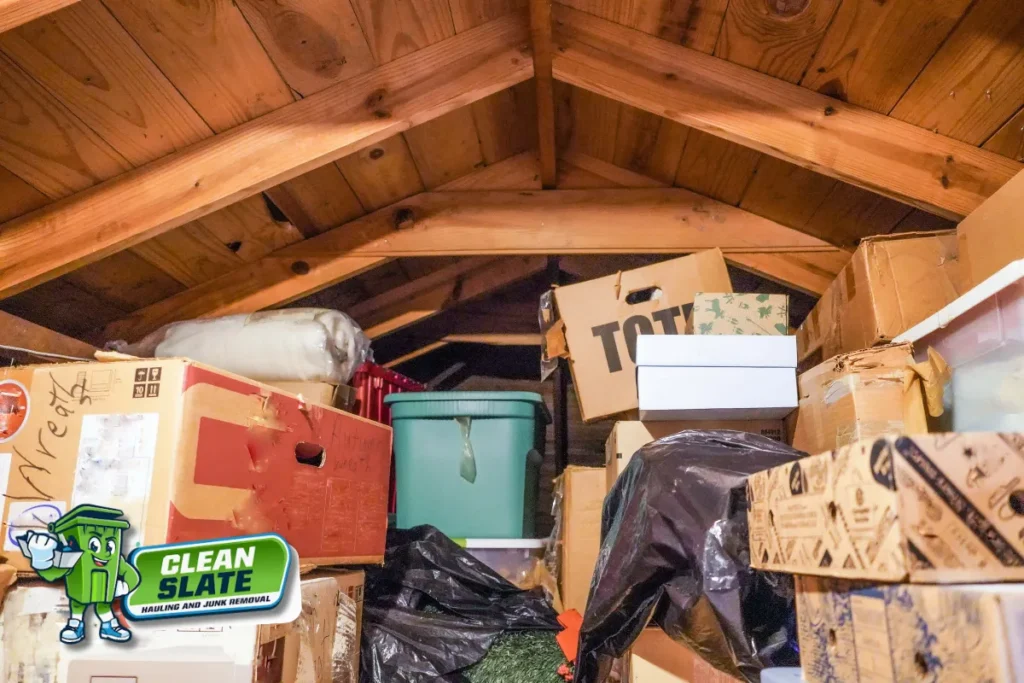
Once the assessment is done, create a written cleanout process with clearly labeled stages. A common framework looks like this:
- Stage 1 – Safety and Access: Clear pathways, exits, and address immediate safety concerns like spoiled food, trash near heat sources, and hazardous materials.
- Stage 2 – Essential Rooms: Deep clean kitchen and bathroom. Restore running water and sanitary conditions.
- Stage 3 – Living and Sleeping Spaces: Declutter bedrooms, living rooms, and dining areas. Sort accumulated items and arrange junk removal for large amounts of unwanted items.
- Stage 4 – Storage, Attic, Garage, and Remaining Zones: Handle boxes, furniture, and stored belongings in staging areas.
- Stage 5 – Deep Cleaning and Prevention: Scrub floors, walls, carpets. Address odors. Set up organizational systems.
Within each stage, use a systematic approach for sorting. The four-box method categorizes items into Keep, Donate, Recycle, and Trash. Systematic sorting reduces cleanup time by 40 percent compared to random methods, which means less labor, fewer trips, and lower disposal costs. Mark heavy duty trash bags and boxes clearly so nothing gets mixed up or accidentally discarded.
It is beneficial to start decluttering with emotionally neutral spaces like a garage or hallway rather than rooms filled with sentimental belongings. Setting small, achievable goals helps maintain progress in cleanouts and keeps the resident motivated rather than defeated.
Realistic timelines matter. Many Tacoma hoarder homes require several days or multiple weekends rather than a single marathon session. Build in breaks, emotional check-ins with the hoarder, and flexibility so the customized plan can be adjusted as new challenges arise.
Doing the Work Safely: PPE, Sorting, and Local Disposal Rules
Using PPE during cleanup is important for managing health risks. At a minimum, anyone doing hoarding cleanup should wear:
- Heavy-duty work gloves (puncture-resistant if sharp objects or broken glass are present)
- Sturdy closed-toe shoes or boots
- An N95 mask or respirator, especially around mold, dust, or animal waste
- Eye protection
- Disposable coveralls for heavily contaminated areas
HEPA vacuums remove allergens and fine particles during cleaning and are essential when dealing with heavy dust, pet dander, or mold spores in a hoarder house.
Start each session with visible trash and clearly non-essential junk to build momentum. Respect sentimental items and personal papers by setting them aside for the resident to review later. Hoarder cleanup can include hazardous material disposal, but disposing of hazardous materials requires adherence to city regulations. Under Tacoma Municipal Code Chapter 12.09, household hazardous waste such as paints, batteries, solvents, pool chemicals, and automotive fluids cannot go into regular trash. These must be taken to the Household Hazardous Waste facility at the Tacoma Recovery and Transfer Center. Needles and syringes must be sealed in a rigid container before drop-off.
Animal waste should be double-bagged and separated from general refuse. Large animal carcasses over 15 pounds fall under Washington State regulations and must be transported to a disposal site within 24 hours.
Local resources can provide essential guidance for responsible disposal practices. In Tacoma, donation centers accept usable items like furniture, clothing, and household goods. Donating usable items helps reduce landfill waste and supports local charities. You can also recycle materials such as metals, cardboard, and electronics through designated facilities. This eco friendly disposal approach lowers your environmental impact and keeps costs manageable.
For large volumes, Tacoma offers a free Call-2-Haul bulk pickup service for single-family homes, available twice per year. Temporary drop-off containers in sizes from 15 to 40 cubic yards are also available through the city at published rates.
When to Bring in Professional Hoarder Cleanout and Junk Removal Services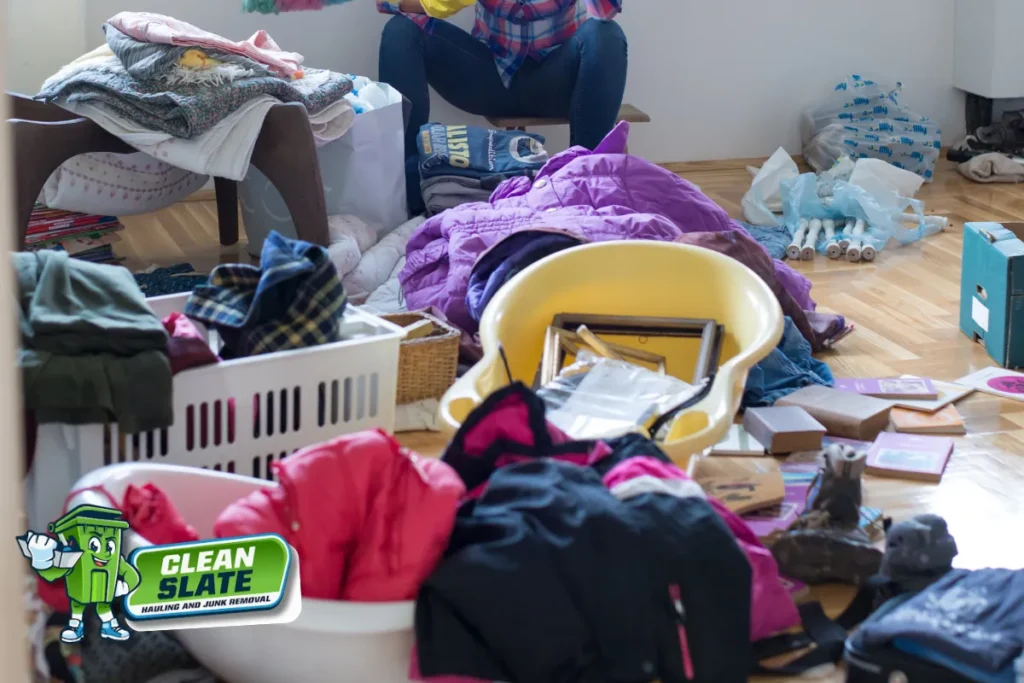
There are clear triggers for calling in a professional team rather than continuing with DIY cleanup work:
- Severe structural damage such as collapsed flooring or compromised load-bearing walls
- Heavy mold or water damage requiring remediation equipment
- Extensive animal waste, human waste, or biohazard contamination
- Bedbugs, rodent infestations, or heavy pest activity
- Needles, medical waste, or large quantities of hazardous materials
- Stacked debris that is physically unsafe to move without equipment
DIY cleanup attempts can result in 80 percent higher costs in severe cases because of injury, improper disposal fines, or damage that worsens when handled without professional expertise. Using professional help can offer compassionate and discreet support that preserves the dignity of the resident while getting the job done safely.
Professional hoarder cleanout services bring trained crews, commercial-grade equipment, trucks, and disposal knowledge that dramatically speed up the process. Hoarder cleanup services include full-home decluttering when needed. Services often involve responsible disposal and recycling of items, and cleanup services often include furniture removal and item loading, which eliminates one of the most physically demanding parts of the job.
Importantly, professionals can still work in stages. An experienced team will schedule multiple visits that follow the client’s pace and the pre-agreed cleanout plan. Many families find that the right team combines efficiency with sensitivity, handling the heavy lifting while the resident makes decisions about what matters most.
When choosing a hoarding cleaning service, look for:
- Verified experience with hoarder house cleanouts
- Proper insurance and liability coverage
- Transparent pricing with no hidden fees
- A compassionate, non-judgmental approach
- Willingness to work within a phased schedule based on specific needs
Professional services help manage emotional aspects of hoarding, and that compassionate service makes a measurable difference in long-term outcomes. Keep in mind that junk removal providers handle hauling and disposal. They are not cleaning services, mental health providers, or professional organizers, though they often coordinate with all three to keep the entire process on track.
Read Can You Do a Property Cleanout After an Eviction in Lacey, WA?
Supporting the Resident and Preventing Re-Cluttering After a Staged Cleanout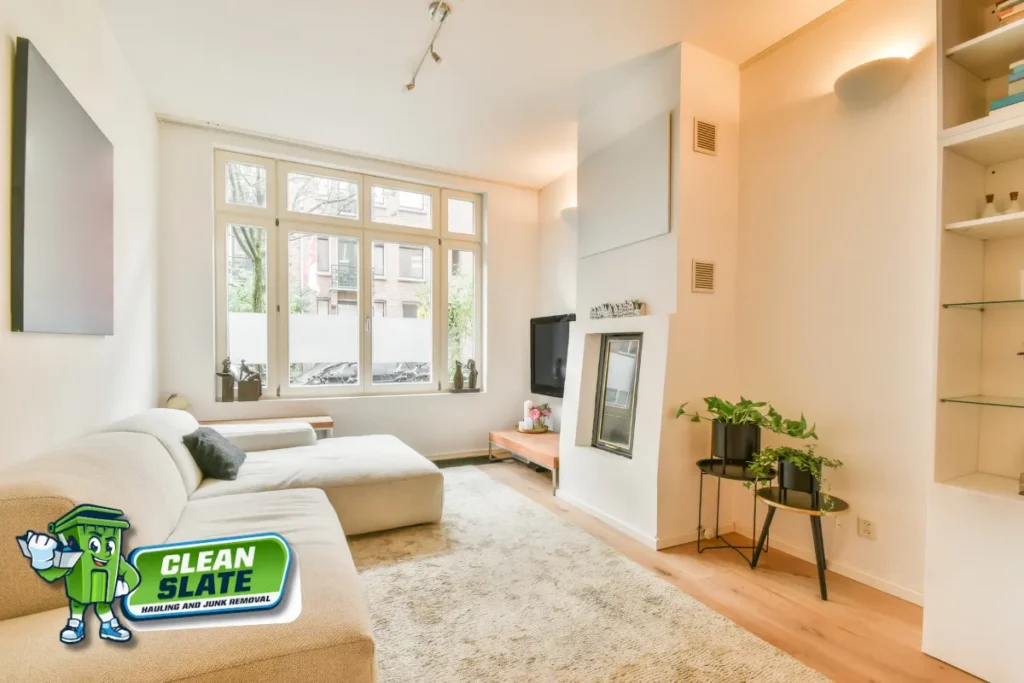
A staged hoarding cleanup is not just about making a space clean. It is about helping the resident maintain a safer, more livable space long after the last truckload leaves.
The emotional aspect of hoarding cleanup requires sensitivity and understanding. Involve the hoarder respectfully in decisions so they feel ownership, not punishment, throughout each stage. Let them choose the only items they truly want to keep, and acknowledge that parting with possessions is genuinely difficult for someone with hoarding behaviors. Compassionate support is crucial during the hoarding cleanup process, and professional services help manage emotional aspects of hoarding when the situation calls for outside guidance.
After junk removal wraps up, set up simple organizational systems to prevent clutter from returning:
- Labeled bins and shelves with designated homes for everyday items
- A weekly trash and recycling routine
- A monthly donation box for unwanted items that accumulate over time
- Periodic walkthroughs with a trusted family member to catch early warning signs
Encourage follow-up support. Research published in behavioral therapy journals confirms that cognitive-behavioral therapy is effective at reducing core hoarding symptoms. Therapy, support groups, or regular check-ins with a loved one create the kind of accountability that makes lasting change possible.
The goal of every staged cleanout is to restore safety and create a livable home that the resident can sustain. A stress free environment does not happen overnight, but phased progress builds confidence, reduces relapse, and gives families in Tacoma a realistic path forward.
Hoarder Cleanouts in Tacoma, WA – Clean Slate Hauling and Junk Removal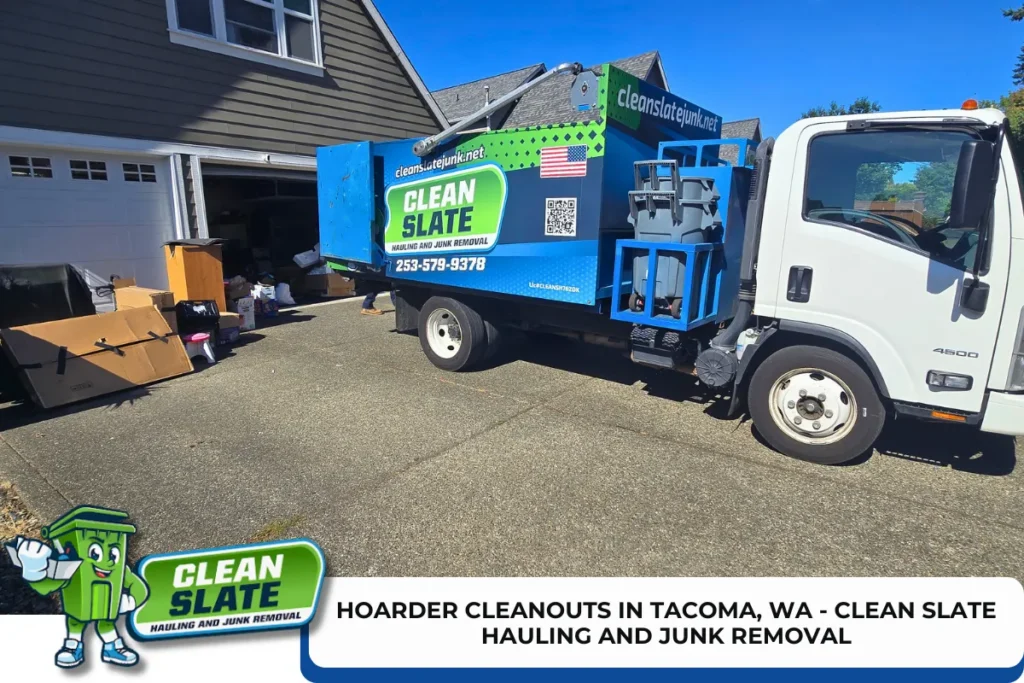
We are Clean Slate Hauling And Junk Removal, and we specialize in hoarder cleanouts and large-scale clutter removal across Tacoma, Washington and nearby Pierce County communities. We are not a cleaning company. We are a junk removal and hauling service built to handle the heavy, messy, and sensitive work that hoarding situations demand.
Our experienced team works in carefully planned stages, focusing first on safety and access, then moving deeper into a hoarder house cleanout as the client is ready. We bring the trucks, the labor, and the disposal knowledge so families can focus on supporting their loved one. Every job is handled with compassionate hoarder support and complete discretion.
Ready to talk about a phased cleanout plan? Call us at (253) 246-1792 or fill out our contact form to schedule a no-pressure estimate. We are here to help you take the first step.
Frequently Asked Questions
Can a Staged Hoarder Cleanout Help Me Avoid Eviction in Tacoma?
Yes, demonstrating active progress on a hoarder cleanout can work in your favor with landlords and code enforcement in Tacoma. Under the municipal code, property owners can be required to remediate nuisance conditions, and failure to act can lead to the city stepping in and billing the owner. By documenting each stage of the cleanout process with photos, receipts, and a written timeline, tenants and property owners show good faith effort. Many landlords prefer a cooperative, staged solution over the cost and legal complexity of formal eviction proceedings. Partnering with a junk removal service and sharing progress reports with your landlord strengthens your position significantly.
How Do Staged Hoarder Cleanouts Work in Small Tacoma Apartments or Senior Housing?
Tight spaces require even more careful staging. In apartments and senior housing, elevator access, hallway restrictions, and parking logistics all affect scheduling. Many buildings have rules about large amounts of debris in common areas or require advance notice before hauling work begins. Plan each session to move items directly from the unit to a vehicle without staging in shared hallways. Use smaller loads and more frequent trips rather than attempting to fill a massive container. Coordinate with building management ahead of time, and consider early morning or midweek sessions when traffic through the property is lighter.
What Should I Do If My Family Member Refuses Any Hoarding Cleanup?
Refusal is common and should be met with patience, not pressure. Start by focusing on safety rather than aesthetics. If blocked exits or fire hazards are present, frame the conversation around health and emergency access rather than the appearance of the property. Offer to help with one small, low-stakes area as a starting point. If the situation involves serious safety concerns or health hazards, contact local adult protective services or a mental health professional who specializes in hoarding for guidance. Forcing a full cleanout against a person’s will can cause lasting emotional damage and almost always leads to rapid re-cluttering.
Are There Special Rules for Disposing of Hazardous Items from a Hoarder’s House in Tacoma?
Tacoma Municipal Code Chapter 12.09 strictly prohibits mixing hazardous materials with regular solid waste. Items such as acids, solvents, oil-based paints, automotive chemicals, batteries, and pesticides must be brought to the Household Hazardous Waste facility at the Tacoma Recovery and Transfer Center. Containers larger than five gallons and commercial hazardous waste are not accepted there. Hypodermic needles must be sealed in a puncture-resistant rigid container before drop-off. Failing to separate hazardous waste properly can result in load rejection at transfer stations and potential fines. Professional services ensure safe disposal of hazardous materials when volumes are large or materials are difficult to identify.
How Much Does a Staged Hoarder Cleanout Typically Cost in Tacoma?
Cost varies widely based on volume, access difficulty, hazard level, and the number of visits required. Key cost factors include the amount of material headed to the transfer station, where tipping fees run roughly $195 per ton with minimum scale fees for smaller loads. Private junk removal pricing for a quarter-truck load may range from approximately $175 to $275, with half-truck and full loads scaling up from there. Homes with stairs, narrow access, or biohazards add labor time and cost. Spreading the work across stages can actually lower per-session expenses and lets families budget incrementally rather than facing one large bill. Always ask for transparent pricing and confirm that there are no surprise charges before work begins.
Important Note About This Guide: This article provides general information only and does not constitute legal, medical, or mental health advice. Regulations and disposal requirements in Tacoma and Pierce County are subject to change. Readers should verify current rules with local authorities before beginning any hoarder cleanout. Property owners remain responsible for complying with all applicable building, fire, and health codes throughout the cleanout process.
Read Do Property Cleanouts Include Houses, Apartments, and Rental Units in Lacey, WA?