Why Some Garage Items Are Refused Right Away
Garage cleanouts sound simple until you discover that a surprising number of common items stored in your garage are actually prohibited from standard junk removal loads. If you are a homeowner in Vancouver, WA planning to finally clear out years of accumulated stuff, you might expect a junk removal truck to pull into your driveway, load everything up, and drive away. The reality is more nuanced.
There are three main reasons certain items are not accepted. First, hazardous materials classification under Washington State and Clark County regulations separates dangerous chemicals from ordinary solid waste. Second, transportation safety rules prevent haulers from carrying pressurized or explosive items in a standard pickup truck or dumpster. Third, landfill bans and disposal restrictions mean that even if a hauler wanted to take certain junk, the landfill would refuse it at the gate.
Junk removal services are licensed to haul solid waste. They are not licensed to transport hazardous waste. That distinction drives nearly every refusal on the list. The good news is that junk removal services can take old furniture like sofas and mattresses, household clutter like toys and clothing, and many other common items without any issue. The sections below break down exactly what gets declined, category by category, and where those items should actually go in Vancouver, WA.
Key Takeaways
- Standard junk removal services in Vancouver, WA will not haul hazardous materials like flammable liquids, pesticides, automotive fluids, or pressurized tanks during a garage cleanout. Hazardous materials cannot be accepted by junk removal services licensed only for solid waste.
- Some items fall into a gray area. Refrigerators with refrigerant still inside, certain electronics, and tires may be accepted for an extra fee or with special handling, depending on your junk hauling service.
- Clark County and the City of Vancouver require hazardous waste to go through approved drop-off sites or special collection events rather than into regular junk loads or curbside garbage.
- Yard waste including branches and leaves is accepted for removal, along with most household clutter like toys and clothing.
- For everything your junk removal company can legally take, schedule a pickup. For the rest, use local hazardous waste programs designed to handle those materials safely.
Hazardous Chemicals and Garage Liquids Junk Removal Usually Cannot Take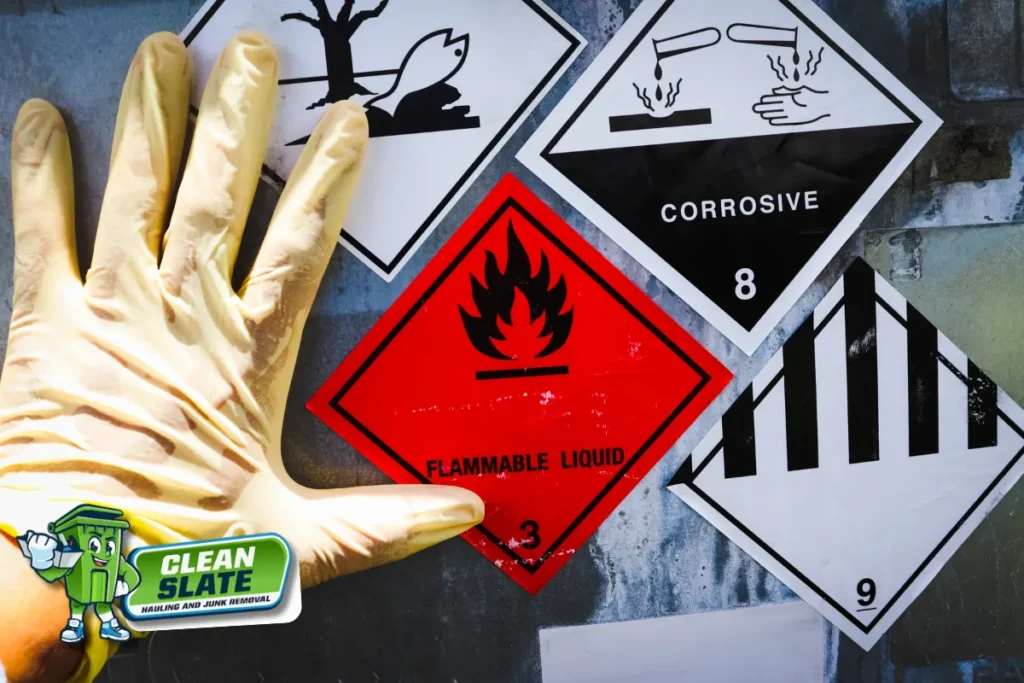
Most garage cleanouts uncover shelves lined with old paint cans, half-used solvents, and garden chemicals that have been sitting untouched for years. These are almost always excluded from a standard junk removal service load, and for good reason.
Here are some of the most commonly prohibited hazardous materials stored in garages:
- Oil-based paints and paint thinner
- Gasoline and diesel fuel
- Kerosene
- Brake cleaner and degreaser
- Pesticides and herbicides in concentrated form
- Pool chemicals and muriatic acid
- Strong household cleaners in bulk quantities
One common point of confusion involves paint. Latex or water-based paint is sometimes accepted if it has been completely dried out and solidified in the can. However, wet paint is always refused because it is still classified as a liquid that requires special handling. Oil-based paint and solvents are flammable no matter what, making them a non-starter for any hauler. Old paint and solvents are flammable and need special handling through designated facilities, not a junk truck.
Certain chemicals and solvents are considered hazardous waste under Washington State law because they are flammable, toxic, reactive, or corrosive. A quick way to tell whether something in your garage will be refused is to check the label. If you see a flame symbol, skull and crossbones, or corrosion icon, expect a junk hauler to decline that item. Flammable or toxic items usually require specialized disposal methods outside the normal waste stream.
Items like paint and motor oil cannot go in regular trash. Instead, Clark County operates household hazardous waste drop-off locations where residents can bring these chemicals. You can use a trash bag pickup once or twice a year for larger purges of non-hazardous stuff, but the dangerous liquids need to go to the right facility.
Automotive Fluids, Parts, and Tires: Special Rules for Car-Related Garage Junk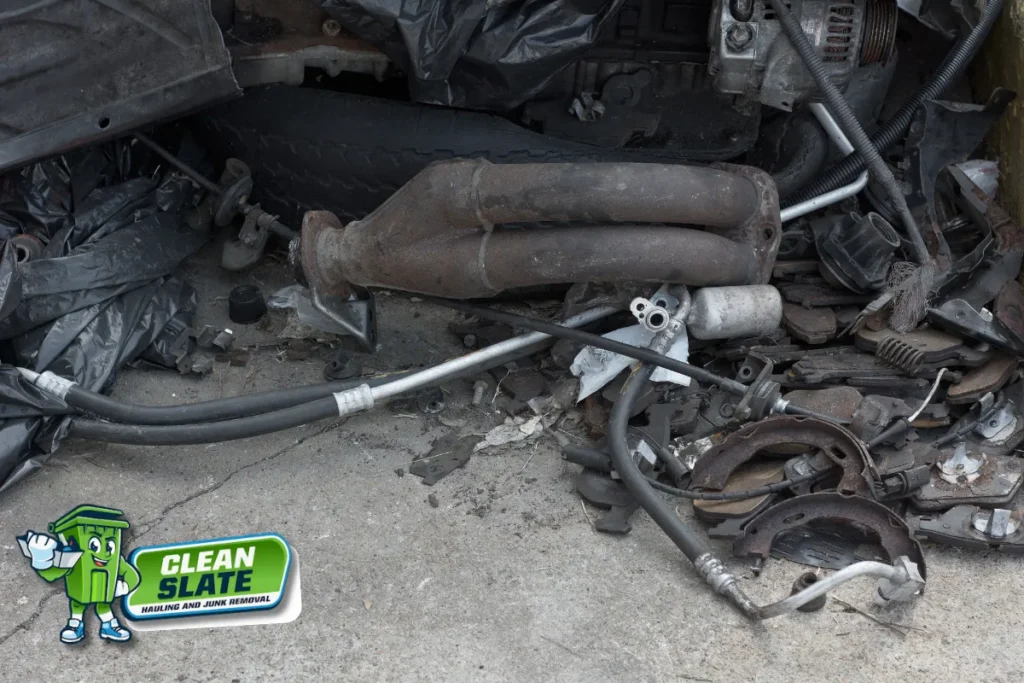
Garages in Vancouver often double as DIY auto repair shops, which creates a whole category of car-related items that junk removal companies must treat differently. If you have spent years changing your own oil or swapping out brake pads, you likely have containers of fluids and old car parts tucked into every corner.
Fluids That Get Refused
The following automotive fluids are typically declined outright by junk hauling services:
- Used motor oil
- Antifreeze and coolant
- Transmission and brake fluid
- Power steering fluid
- Fuel additives
- Contaminated rags or absorbent pads soaked with any of the above
Washington’s environmental regulations and landfill bans make it illegal or highly restricted to dump or haul automotive fluids as ordinary junk. The liability exposure for a hauler carrying leaking containers of used oil or gasoline in their load is enormous, which is why these items are declined without exception. Hazardous materials include wet paint and automotive fluids, and both require routing through proper channels.
Tires and Batteries
Many junk removal services will not accept tires because landfills limit tire disposal under Washington’s waste tire rules. Tires often require specialized recycling, and haulers face per-item surcharges if they even attempt to dispose of them through normal channels. Tire shops and dedicated recyclers are the correct destination. Some haulers will accept one or two tires for an extra fee, but large quantities are almost always refused.
Batteries pose hazards and must be recycled at designated sites. Lead-acid car batteries contain toxic lead and sulfuric acid. Large lithium batteries carry fire risk. Both types are typically rejected by junk haulers, who instead recommend taking them to automotive retailers or recycling centers that handle batteries safely.
Smaller car parts like old bumpers, scrap metal, and broken tools are usually fine for a standard load. But confirm with your chosen junk hauling service before booking a garage cleanout that involves numerous auto parts. Items in good condition might even find a second life through donation or resale rather than heading to the landfill.
Read How Garage Cleanouts Help Make Room for Parking a Car in Vancouver, WA
Pressurized Tanks, Explosives, and Fire Risk Items Not Accepted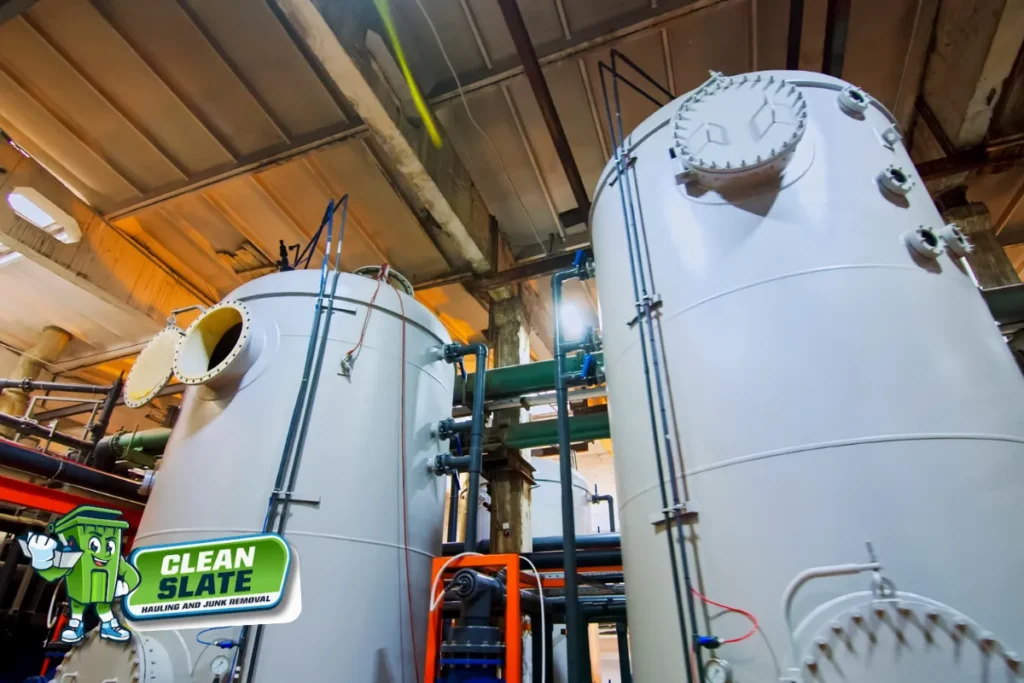
Any item that can explode, rupture, or ignite during transport is almost always on a junk removal company’s do-not-take list. This is driven by insurance requirements, transportation safety regulations, and simple common sense.
Pressurized Containers
Pressurized containers like propane tanks cannot be transported by junk services. The following items are typically prohibited:
- Propane cylinders for grills or heaters
- Camping fuel canisters
- Oxygen tanks and compressed air cylinders
- Freestanding helium tanks
- Half-used aerosol cans with flammable contents
Explosive and Fire Risk Items
Beyond pressurized containers, haulers also refuse items with explosive potential:
- Unused fireworks and ammunition
- Gunpowder
- Marine and road flares
- Hobby chemicals used for welding or metalworking
Department of Transportation rules and local fire codes make hauling these items in an ordinary junk truck both dangerous and non-compliant. A single leaking propane cylinder in a load of furniture and boxes could turn a routine cleanout into a serious safety incident.
Propane tanks and similar cylinders typically must be returned to fuel suppliers, taken to specific recycling depots, or handled by specialized hazardous waste facilities in the Vancouver area. For ammunition and fireworks found during a garage cleanout, check with the local Fire Marshal’s office or law enforcement for proper disposal guidance. These items are not accepted at regular transfer stations either.
Electronics, Appliances, and Construction Debris with Extra Restrictions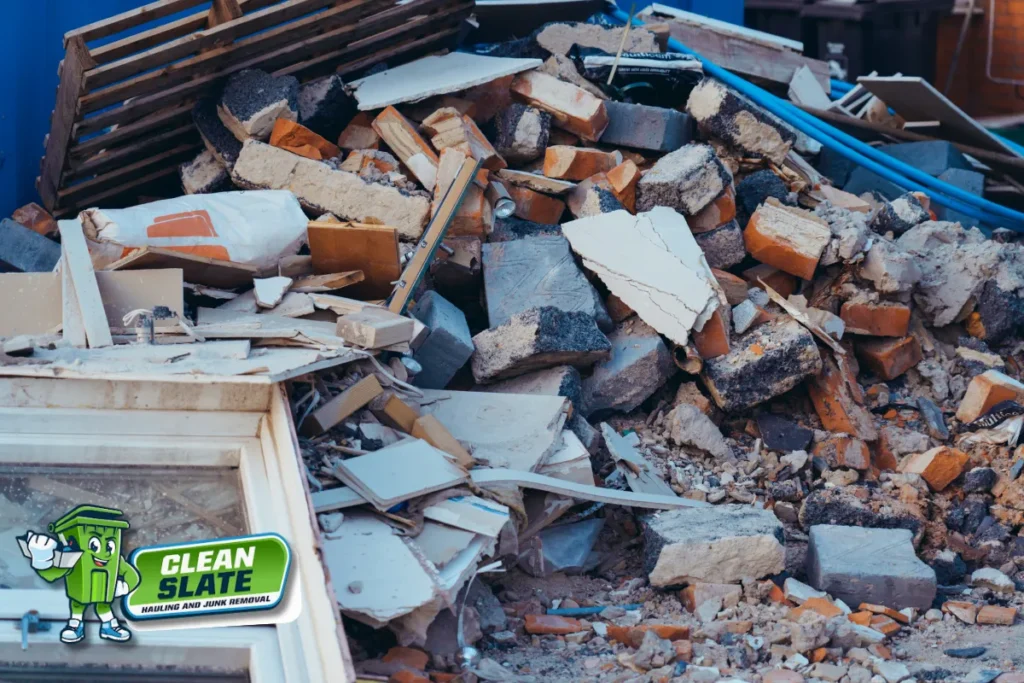
Many junk removal services can take some electronics and appliances from a garage cleanout, but there are exceptions and extra fees tied to Washington’s e waste and refrigerant regulations. This is an area where the line between accepted and prohibited gets blurry.
Electronics
Electronics such as tvs and computers are typically removed by services, but older equipment creates complications. Old CRT televisions, bulky computer monitors, server racks, and large quantities of mixed e waste piled in a garage corner may be refused or handled separately. Washington’s E-Cycle program covers free recycling for households, making authorized collection sites the better route for these items.
Appliances with Refrigerants
Major appliances like refrigerators and washing machines are accepted in most cases. However, refrigerators, freezers, and window air conditioning units may not be accepted unless the refrigerant has been removed by a certified technician. Washington State’s Refrigerant Management Program mandates proper recovery and documentation before these appliances can be disposed of. Some haulers decline them entirely to avoid the paperwork and liability. Others will coordinate refrigerant removal for an additional charge.
Construction Debris
Construction debris such as drywall and lumber is usually accepted when it is clean and non-hazardous. A renovation project that produces bare lumber, bagged drywall scraps, concrete rubble, and clean scrap metal can typically go on the truck. But treated wood, sheetrock with suspected mold, and any construction debris containing asbestos is a different story. Asbestos requires certified abatement professionals for removal, and junk removal companies are not licensed to test for or handle asbestos-containing materials like old insulation, certain ceiling tiles, or pipe wrap.
Before scheduling a large garage cleanout, ask your junk hauling service for their specific list of extra charge or not accepted appliances and electronics. A quick conversation can save you from surprises on pickup day and help you complete the project without delays.
Local Rules in Vancouver, WA: Where Banned Garage Items Should Actually Go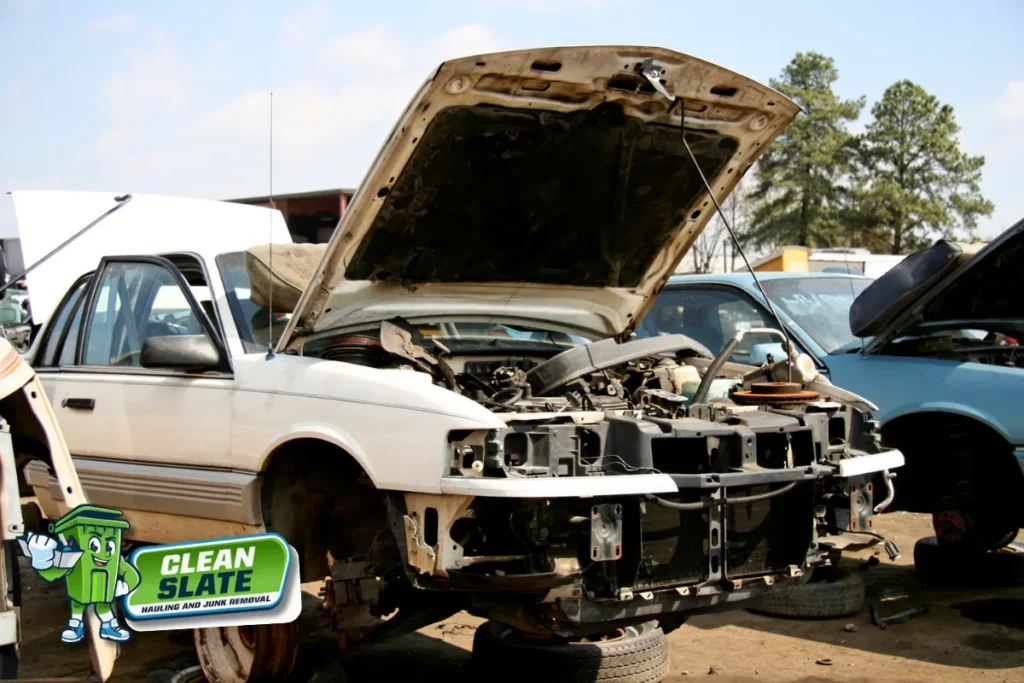
When junk removal services say no, Vancouver and Clark County still offer legal ways to dispose of most of those problematic garage items. Knowing where to go makes the difference between a stalled cleanout and a finished one.
Household hazardous waste can be disposed of at designated transfer stations operated by Clark County. Residents can bring up to 25 gallons or 200 pounds of hazardous materials per visit, free of charge, to any of three transfer stations in the area. This covers paint, pesticides, automotive fluids, and many of the chemicals that pile up during years of garage storage. Hazardous materials require special disposal through local programs designed for exactly this purpose.
Washington’s product stewardship and recycling programs cover additional categories. The PaintCare program accepts unused paint at authorized drop-off locations. The E-Cycle program handles electronics like monitors and computers at no cost for residential participants. These programs make it convenient to recycle items that cannot ride in a junk truck.
Tires, large propane tanks, and appliances with refrigerant may need to go to specific transfer stations, tire recyclers, or metal recyclers set up to meet state environmental regulations. Many municipalities host hazardous waste collection events each year, offering another opportunity to get rid of accumulated chemicals and restricted items in one trip.
One critical point: never pour liquids down storm drains, dump chemicals onto soil, or hide banned items inside bags of regular garbage. Improper disposal of hazardous waste can result in fines from county and state enforcement agencies, and it causes real environmental damage to local waterways and soil. Planning ahead before your cleanout week means you can sort garage items into keep, recycle, donate, or trash categories and route everything to the right destination.
Garage Cleanouts in Vancouver, WA – Clean Slate Hauling And Junk Removal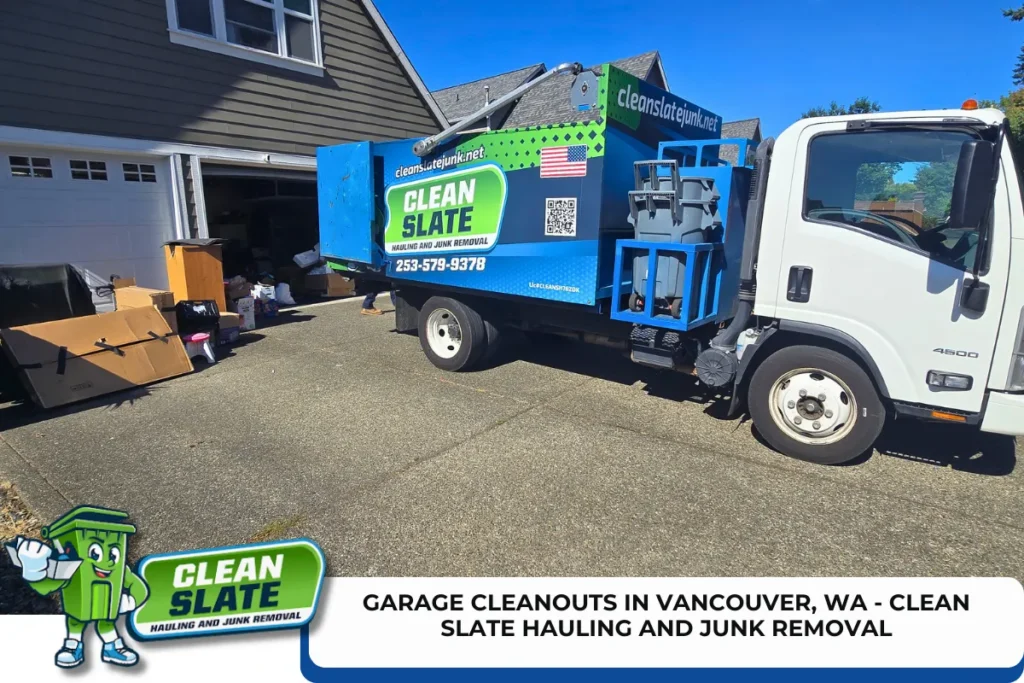
We are Clean Slate Hauling And Junk Removal, and we handle garage cleanouts throughout Vancouver, Washington. When you are ready to reclaim your valuable space, our crew takes care of all the heavy lifting, from old furniture and unwanted items to appliances, boxes of clutter, and anything else that qualifies as solid waste. We serve both residential and commercial clients with the same level of professionalism.
While we must follow all local rules regarding hazardous materials and cannot take certain prohibited items, we help you identify what can go on our truck and what needs a hazardous waste drop-off or special handling. Our goal is to make your garage clean and functional again, with as little hassle as possible.
Call us at (360) 469-5802 to set up a scheduled appointment, request a free quote, or ask questions about specific items in your garage. You can also fill out our contact form or visit us in Vancouver to plan your project. Let our junk removal services do the heavy lifting so you can enjoy a clutter-free garage by the end of the week.
Frequently Asked Questions
How Should I Prepare My Garage Before the Junk Removal Crew Arrives?
Start by sorting everything you can see. Empty at least half of the garage before sorting items so the crew has room to work efficiently. Separate your stuff into categories: keep, recycle, donate, or trash. Move anything you want to keep to one side or into labeled storage bins to prevent clutter accumulation in the future. Pull out any hazardous materials, automotive fluids, or pressurized containers and set them aside since the crew cannot take those. Schedule seasonal mini-cleanouts every spring and fall to prevent things from piling up again. Having a clear path and organized piles makes the load process faster and can even reduce your cost, since crews can work more efficiently when the space is accessible.
Do Businesses Face Different Rules Than Homeowners for Garage or Warehouse Junk?
Yes. While residential clients can use free household hazardous waste drop-off programs at Clark County transfer stations, commercial clients and businesses must contract with private hazardous waste service providers. Business-generated hazardous waste is not accepted at the free residential HHW sites. If you are clearing out a commercial garage, auto shop, or warehouse, any chemicals, solvents, or industrial fluids must go through a licensed hazardous waste hauler. Junk removal companies serving commercial spaces often face stricter regulatory scrutiny as well. The volume of restricted materials tends to be higher in commercial settings, so plan accordingly and budget for separate disposal services for anything classified as dangerous waste.
What Happens If the Crew Finds Hazardous Materials Mixed Into My Garage Load?
If a junk removal crew arrives and discovers hazardous items mixed in with your regular junk, they will typically set those items aside and refuse to take them. In some cases, finding a significant amount of prohibited materials can delay the entire load while the crew sorts through everything. You will not be fined by the hauler, but you may face additional charges for the extra time spent separating items. The rest of the load that qualifies as solid waste can usually still go on the truck. To avoid this situation, do a walkthrough before your scheduled appointment and pull out anything with hazard labels, automotive fluids, or pressurized containers.
How Can I Tell If Older Building Materials in My Garage Contain Asbestos?
You cannot tell by looking. Asbestos was used in many building materials manufactured before the 1980s, including ceiling tiles, pipe insulation wrap, floor tiles, and certain types of drywall joint compound. If your garage contains leftover renovation debris or old building materials from that era, there is a real possibility some of it contains asbestos. Junk removal companies cannot test or remove asbestos-containing materials. You would need a certified asbestos inspector to take samples and a licensed abatement professional to handle removal if asbestos is confirmed. Medical waste also requires special containment and disposal methods and falls outside what a standard hauler can accept.
Can I Throw Small Quantities of Household Cleaners or Old Aerosols in the Regular Trash?
It depends on the product and its contents. Completely empty aerosol cans with no remaining pressure are generally accepted in curbside recycling in many areas. However, half-full aerosol cans with flammable contents, concentrated cleaners, and any container still showing hazard symbols should not go in your regular garbage or a dumpster. Even small quantities of the wrong chemical can contaminate a load or create a fire risk inside a compactor truck. The safer alternative is to bring these items to a Clark County transfer station during household hazardous waste drop-off hours. It is a more convenient option than risking contamination, and it keeps prohibited materials out of the landfill and local waterways. Use a vehicles trip to the transfer station to dispose of everything at once.
Disclaimer: Disposal rules, accepted items, and local regulations in Vancouver, Washington and Clark County are subject to change. Always confirm current requirements with local authorities and your chosen junk removal provider before scheduling a cleanout. This article is for general informational purposes only and does not constitute legal or regulatory advice.