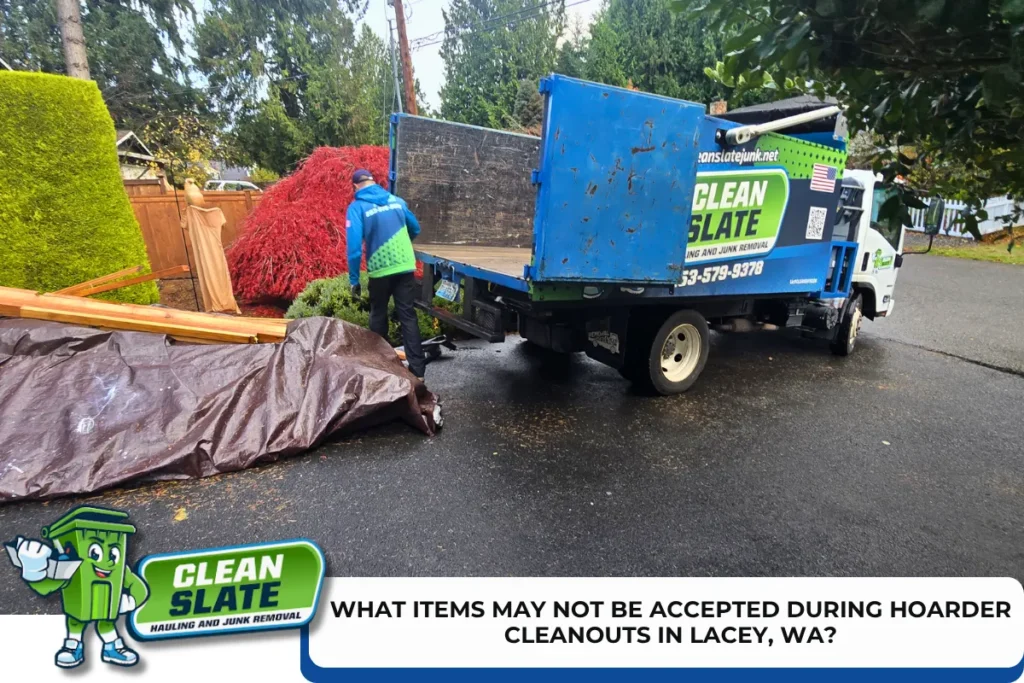
Hoarder cleanouts are one of the most emotionally complex jobs a junk removal crew will ever take on. In Lacey, WA, every cluttered room holds more than just stuff – there are personal belongings, old photographs, legal documents, and memories buried under years of accumulation. For families and property owners, the biggest fear is simple: will the crew just throw everything into a truck without looking twice? That concern is valid. Losing sentimental items, critical paperwork, or hidden valuables during a rushed clean up can cause lasting regret. The solution lies in working with a professional team that follows a structured hoarder cleanout process – one that sorts belongings methodically, documents decisions, and respects both the person and the property. This article walks through exactly how hoarding cleanup services manage personal items from the first walk-through to the final haul away.
Key Takeaways
- Professional junk removal crews handle personal belongings during hoarder cleanouts with respect, patience, and a structured sorting process that gives clients control over what stays and what goes.
- Reputable hoarder cleanout services follow a step-by-step approach: initial assessment, written plan, careful sorting into keep/donate/recycle/dispose categories, documentation, hauling, and responsible disposal.
- In Lacey, WA and Thurston County, local codes and hazardous waste regulations shape how belongings must be handled, especially items contaminated by mold, animal waste, or chemicals.
- Hoarder cleanouts require a more compassionate, slower-paced approach than standard junk removal, with crew members trained to recognize the emotional weight of every item they touch.
- Items are never discarded without client or family approval whenever possible, and sentimental belongings receive extra attention during the decision making process.
The Difference Between Hoarder Cleanouts and Standard Junk Removal
A typical junk removal job might involve hauling away a worn-out sofa, clearing garage debris, or loading up construction waste. Hoarder house cleanouts are a fundamentally different undertaking. Entire rooms may be packed floor to ceiling with belongings, and personal items are deeply interwoven with trash, making it impossible to simply grab and go.
Hoarding is recognized as a mental health disorder in the DSM-5, which means hoarding cleaning services must account for psychological factors that standard junk hauling service calls never encounter. Crews may deal with fire hazards, pest infestations, biohazardous materials, blocked exits, and structural safety concerns – all while navigating the emotional landscape of a person who struggles to let go of possessions.
In Thurston County, a hoarding situation may also involve code enforcement under Lacey Municipal Code, Adult Protective Services for vulnerable adults, or landlord obligations under housing codes. Insurance adjusters or family members might need photo records and documentation of every belonging removed. Specialized junk removal companies are trained in the psychological complexities of hoarding disorder, which is why communication and a no-judgment approach matter just as much as trucks and labor. These are not jobs where speed is the priority – care is.
Step-by-Step Hoarder Cleanout Process for Handling Belongings
Reputable hoarder cleanout services follow a clear, repeatable sequence so nothing about the process feels random or out of the control of the homeowner. Here is how the typical workflow unfolds:
Initial Assessment and Walk-Through
Before any work begins, a professional team conducts an on-site visit. They walk through each room, identifying:
- Unsafe areas such as compromised floors, blocked exits, or exposed wiring
- Priority personal items like legal documents, photos, jewelry, or medications
- The overall scope of the project, from a partial declutter to a full hoarding clean
This assessment shapes every decision that follows. Professional junk removal crews identify and secure important documents and valuables during this phase, flagging them for protection before anything else is touched.
Building a Written Plan
After the walk-through, crews build a written plan with the client or decision-maker. The plan covers:
- Which rooms to tackle first
- Who holds the authority to make keep-or-dispose decisions
- Privacy expectations and any Lacey-specific constraints like pickup hours or HOA rules
- A schedule that accounts for the home’s size and the severity of clutter
Day-of Execution
On the day the work begins, the team approaches the property with staging areas set up near the entrance, boxes and contractor bags ready, and proper PPE (gloves, respirators, sometimes protective suits). Crews typically begin with safer, lighter rooms to build momentum and trust before moving into more challenging conditions.
Personal belongings are pulled out, sorted, and shown to the client or their representative before final decisions are made. Nothing is tossed automatically. Daily or per-room check-ins allow family members or property owners to adjust their keep, donate, or dispose instructions as new categories of belongings appear.
Most cleanouts are completed in a single visit for moderate cases. However, hoarder cleanouts often require multiple visits for severe cases, with locked or taped-off keep zones to protect selected items between sessions.
Read Can Hoarder Cleanouts Include Attics & Basements in Lacey, WA?
Sorting Personal Belongings: Keep, Donate, Recycle, Dispose
The core of every hoarder cleanout process is careful sorting – not blind junk removal. Proper sorting before disposal is critical to reduce accidental loss of meaningful possessions. Most cleanup services use a four-category system that keeps the decision making process organized and transparent.
Keep
Items designated to stay are boxed, labeled by room or category, and often photographed. An inventory list gives the client a record of what was preserved. Clients can specify which items to keep during the cleanout process, and cleanout teams prioritize items of sentimental value during sorting. A few items that might seem insignificant to an outsider – a handwritten recipe card, a child’s drawing – can hold enormous value to the person who collected them.
Donate
Items in good condition may be donated after cleanouts. The client or family members choose what can leave the property, and the junk hauling service transports usable items to local charities or thrift outlets. Only items that meet condition standards are accepted by most donation centers – clean, functional, and free of contamination.
Recycle
Recyclable materials like electronics, scrap metal, and cardboard are separated where feasible. Washington’s E-Cycle program covers electronics, and Thurston County recycling centers handle certain other materials. This approach supports eco friendly disposal and helps reduce landfill waste.
Dispose
Unsalvageable items – especially those contaminated by mold, animal waste, or biohazards – are bagged and disposed of according to Washington regulations. Teams sort items during the removal process and separate anything that qualifies as hazardous materials for proper handling. Items removed are often recycled or donated responsibly, with responsible disposal reserved for what truly cannot be saved.
Owner approval is typically sought before disposing of uncertain or sentimental items. Crews are trained to slow down around obvious personal belongings like photo albums, military memorabilia, and jewelry boxes, seeking specific approval before removing them from the property.
Respect, Privacy, and Emotional Care During Hoarder House Cleanouts
The emotional weight of hoarder cleanouts cannot be overstated. Cleanouts often involve stress, embarrassment, and emotional weight that standard hauling jobs never touch. How a crew handles belongings shapes the entire experience for the person involved.
No-Judgment Policies
Compassionate cleanup services treat clients with dignity and care. Crews avoid making comments about the state of a hoarder’s house, keep conversations professional, and treat every pile as someone’s private space – even when conditions are severe. Hoarding cleanouts often require patience and understanding, and that patience starts with language. Calling everything trash is not how a trained team approaches the job.
Privacy Practices
Discretion is emphasized during hoarder cleanouts using unmarked vehicles and confidential operations when requested. Garage doors stay closed where possible, and photos taken for documentation are kept strictly for the process – never shared publicly without consent. The goal is reducing stress for the client and minimizing attention from neighbors.
Supporting Difficult Decisions
Team members talk through difficult choices on belongings, giving the hoarder or loved one time to decide, especially around keepsakes and personal papers. Some clients choose to step away while crews work quietly through a room. In those cases, the team relies on written guidelines and may send photo updates for key decisions.
Professional teams help reduce stress during hoarder cleanouts by maintaining open communication, offering reassurance, and pacing the work around the client’s comfort level. Washington’s emphasis on protecting vulnerable adults also influences how professionals interact with older or disabled individuals – crews use slower pacing and provide support through extra explanation when moving belongings.
Respectful handling of personal items builds trust. That trust often makes it easier to complete multi-day hoarding cleanup projects without conflicts or second-guessing, which benefits everyone involved.
Safety, Legal Requirements, and What Cannot Be Kept
In Lacey, WA, junk removal teams must balance respect for belongings with safety codes, landlord requirements, and local disposal regulations. Hoarder cleanouts prioritize safety and emotional care in equal measure – one cannot come at the expense of the other.
Common Safety Issues
Hoarded homes frequently present serious safety concerns:
- Fire hazards from blocked exits, overloaded outlets, and combustible stacks near heaters
- Trip hazards from floor-to-ceiling clutter obstructing hallways
- Rodent infestations and mold growth that create health risks for both occupants and crew members
- Structural damage from prolonged moisture exposure or excessive weight on floors
If a hoarding situation has drawn attention from code enforcement under Lacey Municipal Code §9.52, the city or fire marshal may require specific volumes or types of debris to be removed before the home is re-occupied. Safety issues like these are non-negotiable and must be addressed regardless of sentimental attachment.
Hazardous Waste and Disposal Rules
Washington and Thurston County rules limit what can go in regular debris loads. Items that require separate handling include:
- Paint, solvents, and chemicals (accepted at Thurston County’s hazardous waste facility with container limits of five gallons per vehicle)
- Propane tanks and auto batteries
- Medical sharps, which must be placed in approved containers
- Biohazardous materials contaminated by sewage or decomposition
Certain contaminated personal belongings – items soaked in sewage, heavy mold, or rodent droppings – typically must be discarded for health reasons, even when they hold emotional value. Reputable hoarder cleanout services communicate these limits clearly, documenting any items that must be disposed and offering suggestions for safer replacements where appropriate.
Rental Properties and Landlord Obligations
For multi-family properties or rentals, landlords may require specific rooms to be cleared or damaged personal items removed to meet lease or insurance obligations. Estate cleanouts and rental turnovers in many hoarding situations add another layer of complexity, as tenant belongings may carry legal protections that prevent unlawful disposal.
After the Cleanout: Organizing and Protecting What Stays
Handling personal belongings does not end when junk is hauled away. What remains has to be protected and made usable again, turning a cluttered property into a livable space.
At the end of a hoarder cleanout, keep items are typically consolidated into one or two safe, accessible rooms instead of being scattered across the property. Boxes are labeled by room or category – important papers, keepsakes, kitchen essentials – so the homeowner or family can continue organizing after the crew leaves.
Some junk removal teams will move retained furniture or storage totes into logical layouts, making hallways clear and exits accessible for fire safety. Final sanitization is performed after removal to ensure homes are safe and ready for use, creating a healthier environment that feels manageable rather than overwhelming.
Families may follow up with therapists, professional organizers, or cleaning services – separate from junk hauling – to maintain progress and avoid slipping back into hoarding patterns. Mental health support is a critical piece of long-term success that falls outside the scope of a hauling crew but should always be part of the conversation.
Photos of the post-cleanout space, plus any inventory lists of kept belongings, can serve insurance updates or future estate planning. The goal is not only to remove junk but to leave behind a safer, more manageable home where cherished belongings are easier to find and enjoy. That is what a fresh start looks like – honest work that respects the person, the property, and the process.
Hoarder Cleanouts in Lacey, WA – Clean Slate Hauling and Junk Removal
At Clean Slate Hauling And Junk Removal, we understand that hoarder cleanouts are about more than loading a truck. Every box, every pile, and every room holds something personal. Our professional team treats your belongings with care, sorting through clutter with patience and respect so nothing meaningful is lost in the process.
We serve Lacey, Washington and surrounding communities with hoarder house cleanouts designed for families, property managers, and homeowners facing difficult hoarding situations. We are a junk removal and hauling company – not a traditional cleaning service. Our full service removal covers sorting, loading, and responsible disposal, all handled with discretion.
Ready to schedule a cleanout? Call us at (360) 227-8738 to ask questions, get a free on-site estimate, or discuss your situation in confidence. You can also fill out our contact form to begin planning a safe, step-by-step hoarder cleanout that honors your priorities. No hidden fees, no judgment – just a clean space and a clear path forward.
Frequently Asked Questions
How long does a typical hoarder cleanout take in Lacey, WA?
The timeline can vary depending on the size of the home, the severity of the hoarding, and the number of crew members assigned. A single-bedroom apartment with moderate clutter may take one full day, while a multi-room house packed floor to ceiling could require three to five days or more. Local factors also play a role – Thurston County disposal facility hours, truck capacity, and the need for hazardous waste drop-offs at designated locations can extend the schedule. Crews also pace themselves around client comfort, especially when the person needs time to make decisions about belongings in each room.
Can a junk removal team work if the hoarder is not present?
Yes, but clear consent and written instructions from the property owner or an authorized family member are essential. Before the crew arrives, the decision-maker should provide detailed guidelines about what to keep, donate, or dispose of. Many families create a priority list of must-save categories – legal documents, photographs, medications – and authorize the crew to handle everything else. Some teams send photo updates during the job so the decision-maker can weigh in remotely on uncertain items. Without any form of authorization, a reputable hoarder cleaning service will not begin removing personal belongings from the property.
What should I do to prepare before a hoarder house cleanout starts?
Preparation makes the day go smoother for everyone. Gather all keys and access codes for the property, including garage doors and storage sheds. Decide on your top priorities – which rooms matter most, which items are absolutely off-limits. Secure pets in a separate location or with a neighbor. If parking near the property is tight, notify neighbors ahead of time so trucks and staging areas do not create conflicts. Locate must-keep documents like birth certificates, financial records, or medical paperwork and set them aside before the crew arrives. Having a point of contact available by phone helps the team make real-time decisions without delays.
How are costs calculated for hoarder cleanouts versus standard junk removal?
Hoarder cleanout costs are typically higher than standard junk removal because they involve significantly more labor hours, careful sorting, and often multiple truck loads. Pricing factors include the volume of material being removed, the number of crew members needed, disposal fees at local facilities, and whether hazardous or contaminated items require special handling. A standard curbside pickup might take thirty minutes; a hoarder cleanout can take an entire day or span multiple visits. Some companies charge by truck load, others by the hour. Ask for a detailed estimate upfront and confirm whether the quote covers disposal fees to avoid surprises on the final bill.
Can useful belongings from a hoarder cleanout be donated in Thurston County?
Absolutely. Many items recovered during a hoarder cleanout can be given a second life through local donation channels. Clothing, furniture, kitchenware, books, and small appliances in clean, functional condition are commonly accepted by area thrift organizations and charitable outlets. Crews typically separate donation-worthy items during the sorting phase, setting them aside in labeled bags or boxes. However, donation centers in Thurston County do have standards – items must be free of mold, pest damage, and heavy soiling. Electronics may qualify for recycling through Washington’s statewide e-waste program. Donating usable items not only reduces landfill waste but gives unwanted items a meaningful purpose beyond the cleanout.
Disclaimer: This article provides general information about hoarder cleanouts and personal belongings handling in Lacey, WA. It is not legal advice or a substitute for consultation with local authorities, licensed professionals, or mental health providers. Local regulations, disposal rules, and individual situations can vary depending on the property and circumstances. Verify current requirements before taking action.
Read Do Property Cleanouts Include Houses, Apartments, and Rental Units in Lacey, WA?