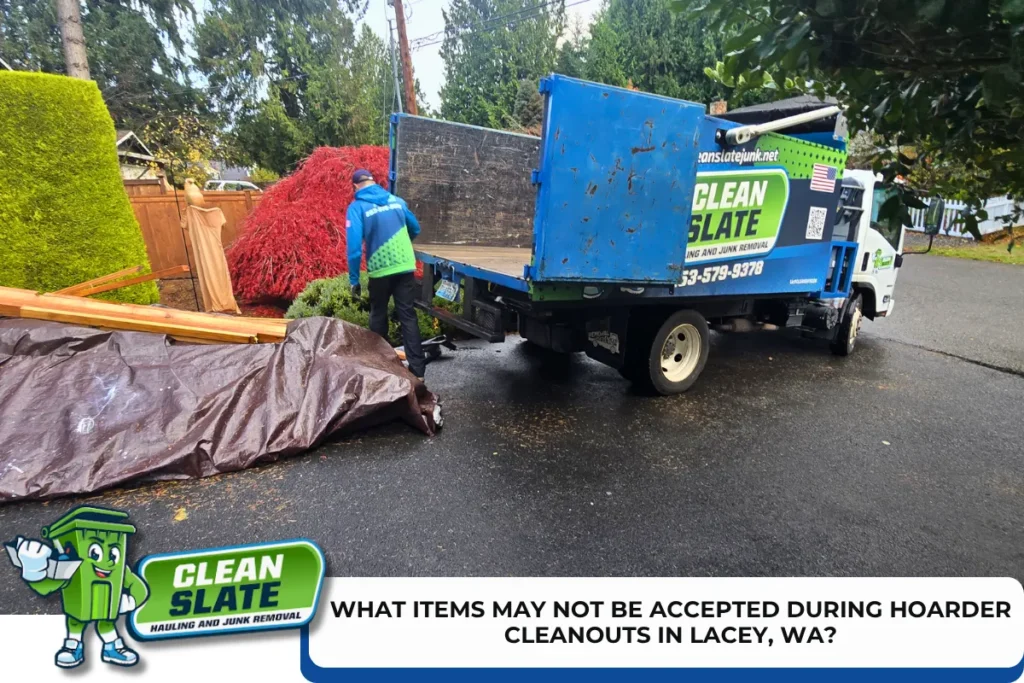
Hoarder house cleanouts can feel impossible when every room is packed with trash, furniture, expired food, papers, and stuff no one knows how to handle. The problem is not just clutter; it is safety, stress, and the fear of making the wrong decision. Left alone, piles can hide animal waste, mold, pests, blocked exits, and damaged wiring. That pressure can overwhelm homeowners, families, landlords, and estate cleanouts managers. The solution is a structured cleanup process. Professional teams use planning, proper equipment, sorting systems, hauling logistics, and proper disposal methods to restore order without judgment. This guide explains how large-volume cleanout work happens step by step in lacey wa.
Key Takeaways
- Professional hoarder house cleanouts rely on safety planning, structured sorting, and high-volume junk removal logistics.
- In Lacey, WA, crews must follow thurston county and Washington rules for trash, recycle items, appliances, electronics, and hazardous materials.
- Health hazards, blocked access, pest infestations, biohazards, and structural issues often affect the timeline and final cost.
- A no-pressure first call or estimate helps families understand scope, pricing, and next steps before work begins.
When Hoarding Becomes Dangerous: Why Large-Volume Cleanouts Can’t Wait
Hoarding situations often start small: a single room, a garage, or a few boxes that never get sorted. Over time, removing clutter becomes harder because emotional distress associated with hoarding can hinder decision making, especially when sentimental items, important documents, and everyday belongings are mixed together.
In a damp Lacey climate, a packed hoarder house can develop odor, dust, mold, rotting food, rodent droppings, roaches, and blocked exits. Extreme accumulation can also hide structural damage, leaking pipes, overloaded outlets, and other safety hazards. Delaying hoarding cleanup may increase fire risk, respiratory problems, code concerns, and the chance that a property will no longer be in livable condition.
What Makes a Hoarder House Cleanout Different From Regular Junk Removal?
A standard junk removal job may involve one couch, a few appliances, or a single load from a garage. A hoarder cleanout is different because the entire property may be affected, pathways may be narrow, and hidden hazards can appear after work begins.
Key differences include:
- home-wide waste, debris, and clutter
- blocked rooms, stairs, basements, or attics
- possible hazardous materials, needles, mold, or animal waste
- strong emotional attachment to discarded or saved items
- multiple truckloads, dumpsters, or landfill trips
Hoarding cleaning services focus on safety, sorting, and respect, not simple grab-and-go hauling. Many hoarder cleanout services aim to reduce landfill waste by recycling and donating usable items whenever possible, benefiting both the environment and the community. Reputable services may also deploy unmarked trucks and containers to protect resident privacy.
Professionals must follow local regulations for electronics, chemicals, batteries, bulbs, and certain appliances. Washington’s electronics recycling program covers many TVs, computers, and monitors, while household hazardous waste must go through approved channels such as county drop-off programs. See Washington’s electronics recycling guidance for more context.
From First Call to Final Walkthrough: The Professional Hoarder Cleanout Process
A hoarder cleanout process typically begins with an initial consultation to assess the space and discuss specific needs and concerns. The goal is to make the process organized, safe, and manageable.
Professionals use a phased approach that starts with safety assessments and hazard removal, followed by sorting and sanitization. Hoarding cleanup requires a multifaceted approach that addresses health hazards, strict logistics, and the psychological factors affecting the occupant.
Step 1: The First Call and On-Site Assessment
During the first call, a company may ask how many rooms are affected, whether trash is floor-level or shoulder-high, if parking is available, and whether there are known biohazards. During the assessment phase, professionals evaluate safety concerns, identify hazards, and build trust necessary for a successful cleanup.
On-site professional assessments may include checking exits, measuring pathways, estimating cubic yards, noting pest activity, and identifying special requests. Photos and notes help determine crew size, truck count, dumpster needs, and timeline.
Step 2: Safety Planning and Protective Gear
Professional teams are trained to work in environments that may be dangerous or overwhelming, understanding the psychological factors that differentiate hoarding cleanup from standard cleaning. They use proper equipment such as heavy-duty gloves, respirators or N95 masks, eye protection, coveralls, dollies, carts, and heavy-duty bags.
The presence of biohazards in hoarding situations necessitates the use of personal protective equipment (PPE) and certified disposal methods to ensure safety for both workers and property owners. Children and pets are usually kept away from work zones, and pathways are cleared first for emergency access.
Red flags that may require additional specialists include:
- suspected asbestos
- sewage backups
- widespread black mold
- unstable floors or structural collapse risk
- exposed wiring
- large sharps contamination
Step 3: Sorting, Decisions, and Protecting Sentimental Items
The cleanup process involves sorting through accumulated belongings, identifying items for preservation, and determining disposal options for non-essential items. Teams usually create categories: keep, donate, recycle, landfill trash, and hazardous waste.
Experts reduce decision fatigue using structured frameworks such as the “four-box method” or “one-touch rule.” Clear staging areas in a garage, driveway, or designated room help keep decisions manageable. Cash, jewelry, legal papers, photos, important documents, and sentimental items are set aside for owner review.
Professionals employ trauma-informed care to work at the resident’s pace and respect sentimental objects during cleanup. Hoarding cleanout services emphasize a compassionate and judgment-free approach, recognizing the emotional challenges faced by individuals dealing with hoarding situations.
Step 4: High-Volume Trash and Junk Removal Logistics
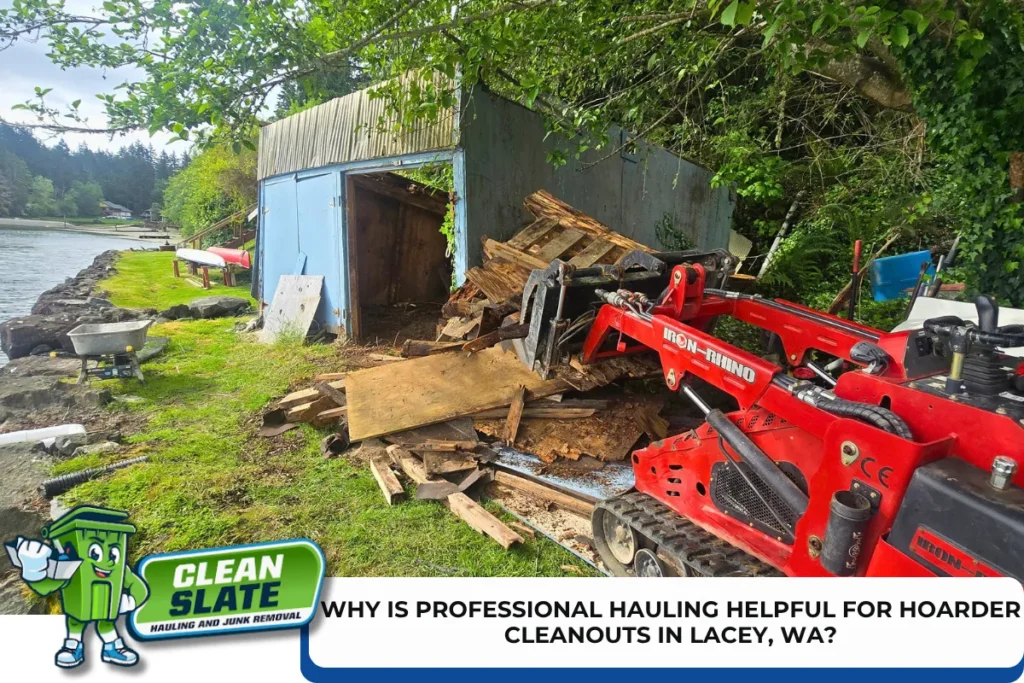
After sorting, all unwanted items are removed efficiently, including furniture, trash, and debris, to restore the property to a livable condition. Crews work room by room, bag loose waste, break down bulky furniture, and haul items in a planned sequence.
Companies coordinate the drop-off and placement of high-capacity dumpsters to keep waste contained safely on-site. Managing large amounts of waste requires substantial physical infrastructure and community compliance, especially when trucks, containers, and disposal trips affect neighbors or shared access.
Most cleanouts require several days when multiple rooms are packed. Some projects may finish in a single visit, but larger jobs need repeat dump runs. Professionals plan around Thurston County facility hours, traffic, and disposal rules.
Step 5: Deep Cleaning, Odor Control, and Basic Reset
Junk removal companies are not maid services, but many include a basic cleanup after the haul-away phase. Once bulk junk is gone, crews can see stains, nests, loose dust, and damaged surfaces.
Typical reset work may include sweeping, removing loose debris, wiping accessible surfaces, and reducing odor where possible. Serious contamination may require professional deep cleaning, remediation, pest control, or minor repairs before the house is fully safe.
The final phase of the hoarder cleanout process includes a walkthrough to ensure client satisfaction and provide maintenance tips for ongoing support.
Handling Health Hazards and Biohazards in Lacey Hoarder Homes
Large volumes of waste often conceal health hazards, especially in closed, humid rooms. Hoarding cleanup services often involve the removal of biohazards such as animal waste, mold, and rotting food, which require specialized handling and disposal procedures.
Common hazards include:
- rodent and insect activity
- rotting food and expired food
- broken glass and sharp metal
- contaminated needles
- urine, feces, and animal waste
- dust, mold, and strong odors
Professional teams are trained to work in environments that may be dangerous or overwhelming, ensuring safety when dealing with biohazards during hoarding cleanouts. PPE, careful bagging, containment, and HEPA-filter equipment can reduce the spread of allergens. Sharps, chemicals, and human waste may require specialized handling under Washington safety and disposal rules.
Local Rules: How Trash from a Hoarder House Is Disposed of in Thurston County
In Lacey, WA, disposal is not a free-for-all. Regular household debris may go to solid waste facilities, while hazardous waste segregation involves isolating dangerous components and routing them through specific local disposal channels.
Common categories include:
| Category | Typical handling |
| Regular trash | Bagged and hauled to approved solid waste disposal |
| Cardboard and metal | Separated for recycling when practical |
| Electronics | Routed through approved recycling channels |
| Appliances | Checked for refrigerants or special processing |
| Paint, batteries, motor oil, bulbs | Kept out of general trash and taken to approved drop-off options |
Proper disposal of hazardous materials is essential in hoarder cleanouts, as many items may pose environmental risks if not handled correctly. Hoarder cleanout services often prioritize environmentally responsible disposal methods, including recycling and proper waste management to minimize environmental impact.
Thurston County offers household hazardous waste disposal resources, and residents can review county guidance for accepted items and limits through local hazardous waste information. Washington dangerous waste rules also guide how certain materials are classified and handled under state waste regulations.
What Drives the Final Cost of a Hoarder House Cleanout?
The cost of a hoarder cleanout in Lacey, WA can vary significantly based on factors such as the size of the property, the severity of the hoarding situation, and the accessibility of the items that need to be removed.
Most providers estimate pricing from volume, labor hours, truckloads, dumpster fills, special handling, and disposal. Specialized crews in Lacey generally charge hourly rates between $25 and $195, depending on the complexity of the job. Disposal fees in Thurston County, where Lacey is located, typically average $125 per ton, which can significantly influence the overall cost of a hoarder cleanout.
A written estimate helps reduce surprises and hidden fees before work begins.
Size of the Property and Amount of Trash
A small apartment with floor-level clutter may be a one-day job. A multi-story house packed to shoulder height may take several days. Square footage matters, but the number of affected rooms, stairs, attic access, and basement debris often matter more.
Pros may estimate in truckload or cubic-yard equivalents so clients understand how volume affects disposal and labor.
Severity, Biohazards, and Special Materials
Heavy odors, animal waste, spoiled food, pest infestations, and contamination slow the job. Refrigerators, old TVs, tires, chemicals, and large appliances may require extra processing.
If crews find needles, broken glass, or chemical containers, work may pause so the material can be handled safely. Sharing known hazards early helps create a more accurate customized plan.
Accessibility, Parking, and Disposal Distance
Easy driveway access helps crews work efficiently. Long carry distances, stairs, tight hallways, second-floor apartments, and limited parking increase labor time.
In Lacey, crews also account for round-trip travel to Thurston County disposal or recycling sites. Multiple dump runs add fuel, labor, and scheduling time.
How Long Does a Hoarder Cleanout Take in Lacey, WA?
Timelines depend on severity, hazards, property size, and access. A moderate cleanout may take one long day. Severe hoarding may require several days or staged visits.
Weather, daylight, and disposal facility schedules can also affect timing in Thurston County.
Example comparison:
- Standard junk removal: one truck, a few bulky items, quick load-out.
- Full hoarder house cleanout: sorting, safety planning, multiple loads, donation/recycling separation, and final walkthrough.
Supporting Loved Ones Through a Hoarder House Cleanout
Hoarding is often connected to anxiety, trauma, grief, or other mental health challenges. A compassionate cleanout approach involves treating clients with dignity and care, ensuring that their emotional needs are respected throughout the cleanup process.
Avoid shaming language. Start with one room, one category, or one safe pathway. Let the person help with decisions when possible. Some families coordinate with therapists, case managers, or support groups before and after a major cleanout.
Professional help can reduce stress because the crew handles the heavy lifting while the family focuses on choices, communication, and the rest of the recovery plan.
Taking the Next Step Toward a Safe, Livable Home
A completed hoarder cleanout can turn unsafe rooms and blocked hallways back into usable space. It also gives homeowners, families, and property managers a clearer view of what repairs, deep cleaning, or support may be needed next.
Do not wait for a medical emergency, fire risk, or code issue to force action. Start with a first call, a walkthrough, or a list of concerns. The job may feel overwhelming, but a professional company can break the cleanout into manageable steps and help move the property toward safety.
Hoarder House Cleanouts in Lacey, WA – Clean Slate Hauling and Junk Removal
At Clean Slate Hauling And Junk Removal Lacey, we provide hoarder house cleanouts and high-volume junk removal for homes, rentals, garages, and estate cleanouts throughout Lacey, Washington and nearby Thurston County communities. We are not a cleaning company or maid service; we focus on lifting, hauling, sorting support, and responsible disposal logistics. Our team works discreetly and respectfully in difficult hoarding situations, helping clients clear trash, junk, furniture, appliances, and debris without judgment. We help keep the cleanout moving so you can focus on decisions and next steps. Call us at (360) 227-8738 for a free, no-pressure estimate, or fill out our contact form to get started.
Frequently Asked Questions
Do I have to be present the entire time during a hoarder cleanout?
No. Many clients stay for the first walkthrough, confirm the plan, make key decisions, and then step away while crews haul junk. It is helpful to remain available by phone or text in case the team finds locked areas, documents, photos, or borderline items. Some people prefer to leave during active removal because the process can be emotional. A legal owner or authorized representative should usually be present at the beginning and end of the project, especially for the final walkthrough and approval.
Should utilities like power and water be on during the cleanup?
When possible, yes. Electricity improves safety because lighting helps workers see tripping hazards, sharp objects, damaged flooring, and unstable piles. Water can help with basic surface cleanup, bathroom access, and minor odor control after junk removal. If power or water is unavailable, crews can often still work with portable lighting and equipment, but planning is important. Let the provider know before the appointment so the right tools, batteries, lighting, and safety steps are ready when the crew arrives.
How do professionals keep my neighbors from seeing everything?
Discreet crews reduce exposure by parking thoughtfully, bagging trash before it leaves the house, and avoiding large curbside piles whenever possible. Some services use unmarked trucks or containers for privacy. In many Lacey neighborhoods, daytime scheduling helps minimize disruption while still allowing efficient hauling. If you are worried about attention, you can tell close neighbors in general terms that you are doing a large cleanout project. Experienced teams understand the sensitivity of hoarding and usually work quietly, quickly, and respectfully.
What if new hazards are discovered once the trash starts coming out?
Hidden problems are common in severe hoarding situations. Crews may uncover structural issues, mold, pests, needles, leaking containers, or damaged floors only after piles are removed. When that happens, a reputable provider pauses, documents the concern, and updates the homeowner before continuing. Some hazards require pest control, licensed remediation, plumbing, electrical, or construction specialists beyond the scope of junk removal. The timeline and cost may change, but clear communication and revised written estimates help protect everyone involved.
Can a hoarder house be cleared in stages instead of all at once?
Yes. Staged cleanouts are common, especially when budget, emotional stress, or decision-making capacity is a concern. A phased plan may start with blocked exits, kitchens, bathrooms, and sleeping areas before moving to storage rooms, garages, or sheds. This approach gives families more time to review belongings, arrange donations, and plan follow-up services. It may take longer overall, but it can feel more manageable for the occupant. Ask about staging during the first call so the estimate reflects that approach.
Disclaimer: This article is general information, not legal or professional advice. For specific concerns regarding hoarder house cleanouts, hazardous materials, or property conditions in Lacey, WA, consult licensed experts or local authorities. Clean Slate Hauling And Junk Removal disclaims liability for actions taken based on this information.
Read Hoarder Cleanouts in Lacey, WA: Can Junk Removal Services Handle Severe Hoarding Situations?