Turning Post-Move-Out Chaos Into a Clean Slate
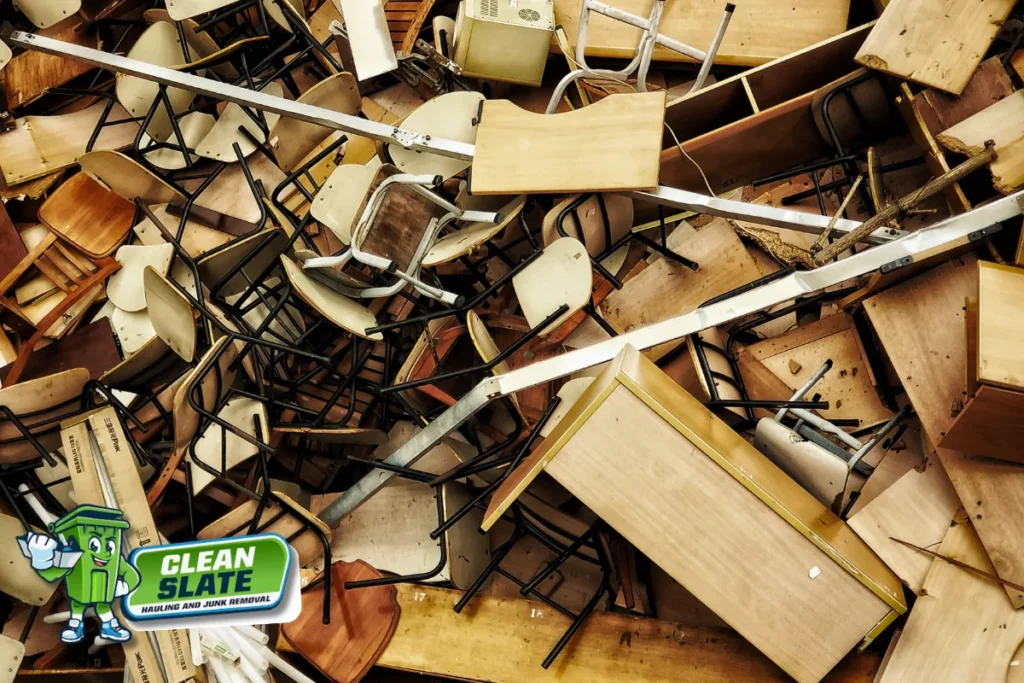
Junk removal in Vancouver, WA might seem like a concern reserved for renovation projects, but landlords face a surprisingly similar challenge every time a tenant moves out. The problem is familiar: you walk into a unit expecting a broom-clean space and instead find piles of old mattresses, broken furniture, bags of garbage, and random belongings scattered across every room. Every day the unit sits full of junk is a day you lose rent, and the stress compounds as you try to coordinate cleaners, painters, and showings around the mess. The solution is straightforward. Using a reliable junk removal company as part of your standard turnover plan lets each new tenancy start fresh. This guide walks landlords and property managers through the legal basics, real costs, and practical steps to get units rent-ready faster in Vancouver, Washington.
Key Takeaways
- A structured plan with clear stages helps landlords manage junk removal effectively, protecting time, cash flow, and legal standing during every turnover.
- Fast cleanouts reduce vacancy days and help property owners capture market-ready rent in Vancouver, Washington’s competitive rental market.
- Documenting tenant belongings and following Washington abandoned-property rules is essential before anything is hauled away.
- Hiring a professional junk removal service is typically safer and faster than DIY hauling for full unit cleanout jobs involving heavy or bulky items.
- Choosing the right junk hauling partner can turn recurring turnovers into a predictable, low-stress process for property managers across any size portfolio.
Know the Rules Before You Haul: Legal Basics for Landlords in Vancouver, WA

Washington law treats tenant belongings as personal property even after move-out, so landlords must follow state and local rules before authorizing any disposal. Preparing a rental property between tenants requires compliance with Washington state law, and skipping steps can be costly.
Abandonment, Move-Out, and Eviction Are Not the Same
Washington law dictates specific notice and storage procedures for abandoned property, and the process differs depending on the situation. A tenant who hands back keys after giving proper notice is different from one who vanishes mid-lease, which is different from someone removed under a court-ordered eviction. Each path triggers distinct timelines and documentation requirements. Landlords should review the relevant statutes before scheduling any hauler.
Notice Periods and Value Thresholds
Here is a quick breakdown of how Washington handles abandoned items:
- Items valued at $250 or less can generally be disposed of after a 7-day notice to the tenant’s last known address.
- Items valued over $250 require a notice and waiting period of up to 45 days before disposal.
- Landlords must keep personal papers and keepsakes for the full 45-day period regardless of value.
Most states require written notice before disposing of belongings. For comparison, California requires 18 days’ notice for abandoned property, and Florida requires 15 days’ notice for abandoned property. Washington’s tiered system based on value makes it important to assess what was left behind before calling for pickup.
Handling tenant belongings improperly can lead to legal liabilities under landlord-tenant laws in Washington. Landlords must document items left behind with photos and written inventories before disposal. Keep copies of all letters, note the dates you mailed them, and store those files for at least a year.
Hazardous Materials and Special Items
Standard junk removal services will not accept hazardous materials like leftover paint and chemicals. Household hazardous waste must not be placed in regular dumpsters and must be disposed of properly. All hazardous waste and specific prohibited items must be handled through designated channels to avoid fines. Local and regional transfer stations can safely handle household hazardous waste during scheduled drop-off events.
This article is informational only. Landlords should consult an attorney or trusted local advisor if they are unsure how the law applies to their specific situation.
Why Fast, Organized Junk Removal Protects Your Rental Income
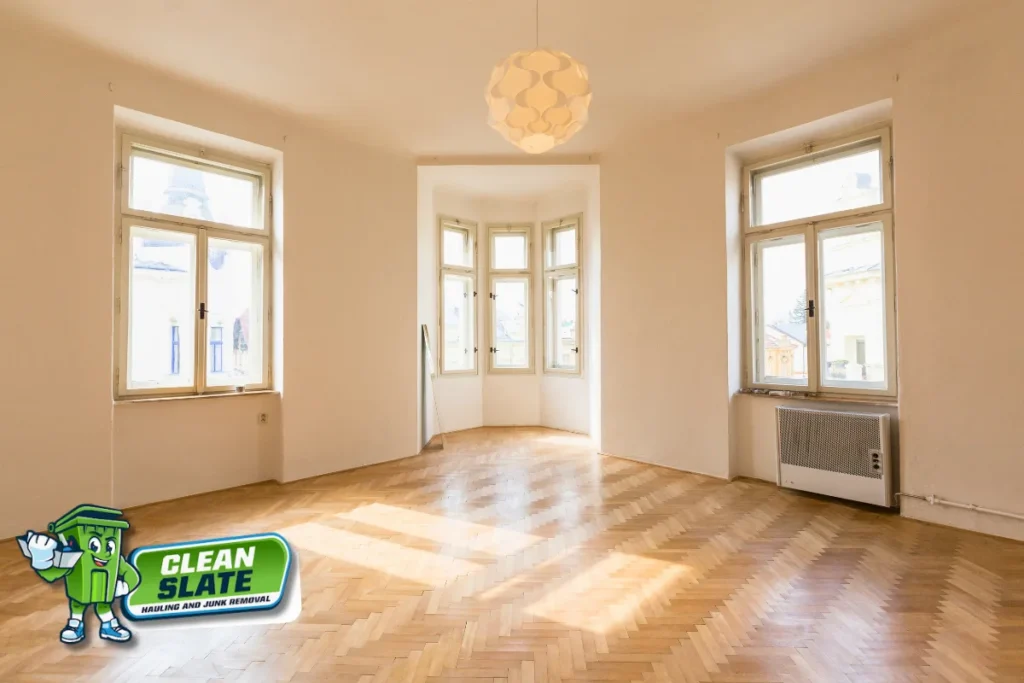
Every day a rental property sits unrented due to junk delays equals lost income plus ongoing utilities, insurance, and overhead. A vacant unit can cost a landlord roughly $50 to $90 or more in lost rent every day, depending on the unit’s size and monthly rent. In Vancouver, Washington, where demand remains strong and vacancy continues to tighten, even a two- or three-day delay adds up fast.
How Leftover Junk Creates a Domino Effect
Tenants often leave behind old furniture and appliances that require proper disposal. Leftover couches, broken dressers, bags of clothes, old electronics like computers and monitors, and random garage clutter slow down every step that follows. Painters cannot tape off walls if a room is full of trash. Flooring installers cannot work around piles of debris. Each bottleneck pushes back your listing date, and each day of delay is a day of lost rent that you never recover.
Same-day junk removal is essential for minimizing vacancy costs. Professional junk removal services are important for efficient turnaround times in rental properties because they can usually clear an average apartment or small single-family home in a single scheduled visit, letting handypeople or contractors start the same day or the next.
Curbside Collection Has Limits
Vancouver residents with active garbage service can schedule one free bulky item pickup per calendar year, but that is designed for homeowners managing a single couch or mattress. A full unit cleanout involving multiple rooms worth of abandoned belongings is impossible to handle through regular curbside collection alone. The volume, the weight limits, and the material restrictions make it impractical. A professional hauler is the realistic path for speed and compliance.
Including junk removal steps in your written turnover procedures ensures onsite staff or contractors know exactly whom to call, what documentation to gather, and how to keep the process moving after each move-out.
Step-by-Step: How to Prepare Your Rental Property for a Cleanout

Preparation keeps costs fair, avoids disputes with former tenants, and makes sure the crew removes only what truly qualifies as junk. A structured approach protects you whether you manage one unit or fifty.
Walkthrough and Documentation
- Confirm possession and access before scheduling junk removal after a tenant’s departure. Do not enter or move anything until keys are returned and you have legal access.
- Conduct a careful walkthrough immediately after move-out, noting damage and all personal property left behind before cleaners or maintenance touch the space.
- Photograph items to verify their condition and establish clear records before removal. Take timestamped photos and short videos of every room, closet, cabinet, garage, and outdoor area. Capture both overall volume and specific items like sofas, appliances, and mattresses.
Sorting What Stays, What Goes, and What Needs Notice
- Separate clearly personal or valuable items such as important documents, photo albums, or obvious family heirlooms from standard junk. Follow the required notice or storage rules for those belongings.
- Tag or list items that must stay, including landlord-owned appliances, fixtures, and staging furniture, so the crew knows what not to touch.
- Use a separation process for reusable, recyclable, and hazardous materials during cleanouts. Setting aside items that can be donated or recycled reduces disposal volume and cost.
Landlords should prioritize eco-friendly disposal practices to limit landfill waste. Many providers work with donation centers and recycling outlets to divert usable items from the landfill.
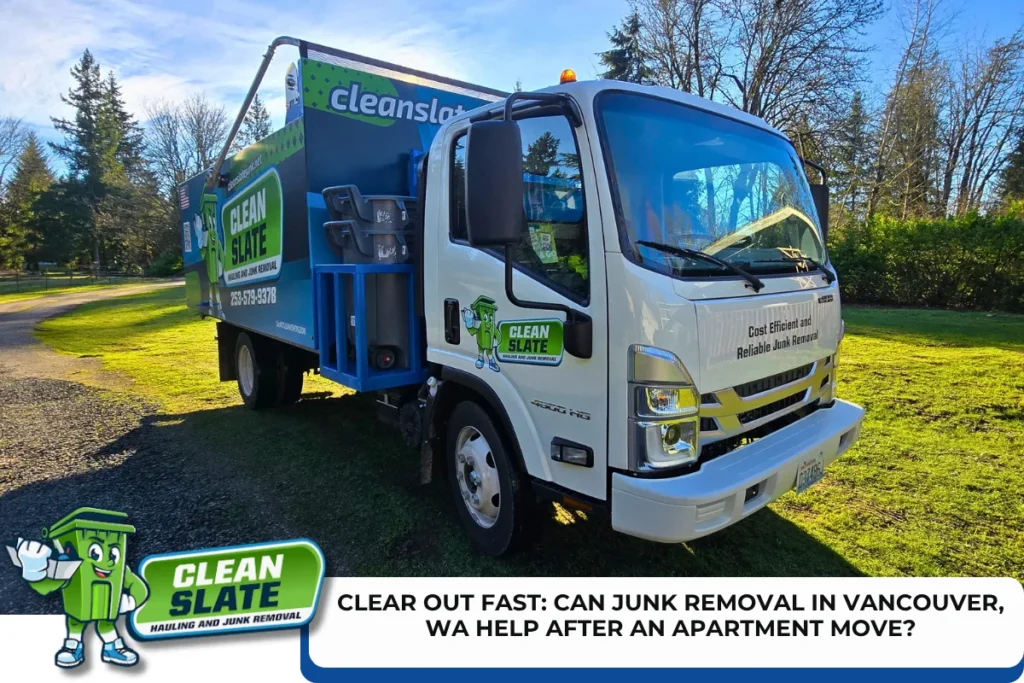
Read Clear Out Fast: Can Junk Removal in Vancouver, WA Help After an Apartment Move?
Cost Recovery and Deposit Deductions
Landlords can deduct junk removal costs from the security deposit, but only when properly documented. Landlords can only deduct documented, reasonable junk removal costs. Landlords must provide itemized receipts for junk removal charges to prove the deductions were legitimate and proportionate.
Coordination Is Everything
Send photos to the junk removal company ahead of time. This enables more accurate estimates, better truck planning, and fewer surprises on pricing day-of. Coordinate the junk hauling date with painters, flooring installers, and cleaners so work starts as soon as the space is cleared, shortening the total turnover timeline.
What to Expect From a Professional Junk Removal Service
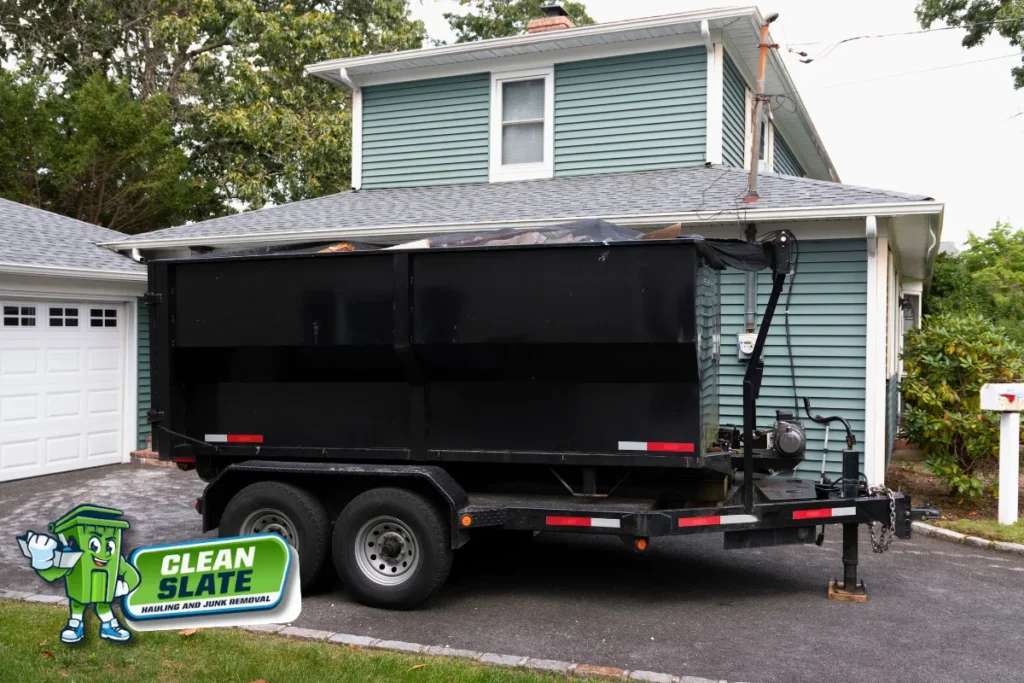
Full-service junk removal acts as a partner that handles the heavy lifting, hauling, and disposal so landlords and property managers can focus on leasing and management tasks. Here is what the process typically looks like.
Service Day Breakdown
- The team arrives within a scheduled window, usually a two-hour block.
- A crew member walks through with the landlord or representative to confirm exactly what goes and what stays.
- Pricing is explained clearly before work starts. There are no surprises once the job begins.
- Crews handle stairs, tight hallways, and bulky items such as sectionals, mattresses, and broken appliances, minimizing the risk of injury to landlords or their staff.
Compliance and Disposal
Before hiring a hauling service, verify that it meets local compliance requirements and offers sustainable disposal practices. Reputable providers in Vancouver, Washington comply with local disposal rules, making use of transfer stations, recycling outlets, and donation centers when appropriate.
Invoicing and Documentation
Property managers often prefer itemized or clearly structured invoices because they simplify accounting. Per-item pricing simplifies documentation for security deposit deductions, making it easier to prove each charge if a former tenant disputes the amount. Itemized receipts are essential for defending junk removal charges in any dispute.
Scheduling Flexibility
Many providers offer same day or next-day availability for emergency situations such as sudden lease breaks or messy evictions that would otherwise extend vacancy. For landlords managing a larger portfolio, ongoing relationships with a junk removal service often lead to priority scheduling, consistent pricing, and smoother communication across properties.
Budgeting and Timing: Planning Junk Hauling Into Your Turnover Strategy

Junk hauling should be treated as a predictable operating expense in rental management, not an occasional emergency surprise. When landlords budget for it, the process runs smoother and the numbers stay under control.
What Drives Cost
Several factors determine what you will pay:
| Cost Factor | Impact on Price |
|---|---|
| Total volume of debris | More cubic yards equals a higher load tier |
| Ease of access (stairs, narrow halls) | Tight access increases labor time |
| Heavy or oversized items (hot tubs, pianos) | May carry surcharges |
| Staging (items grouped vs. scattered) | Pre-staging reduces crew time |
| Hazardous or special-disposal items | Require separate handling at designated sites |
Typical ranges in the Vancouver area run from around $99 for a small pickup to roughly $369 for a half-truck load, and up to approximately $739 for a full truck. Transfer station tipping fees in the area sit near $118.65 per ton, and most professional haulers fold those into their quoted price.
Internal Budgeting Categories
Creating simple internal categories helps landlords and property managers forecast annual spend:
- Light leave-behind: a few bags, a single piece of furniture, minimal labor.
- Standard turnover cleanout: one-bedroom or two-bedroom contents, half-truck range.
- Full abandonment or estate situation: multiple rooms, garage, outdoor items, potentially a full truck or more.
Track spending by unit and move-out type over a year to build realistic budgets and refine your deposit policies.
Timing for Maximum Savings
Schedule a tentative pickup window as soon as you know the move-out date. Confirm once keys are returned. When junk hauling happens within the first 24 to 48 hours after move-out, it shortens the overall sequence of repairs, inspections, marketing photos, and tenant placement. Weigh the cost of faster premium scheduling against potential days of lost rent. More often than not, the quicker affordable option saves more money than waiting for the cheapest available slot.
Investigate local disposal programs to potentially save on removal costs for certain items. Effective junk removal strategies include verifying legal compliance and using local waste programs. Landlords must provide garbage and recycling service for small residential rental properties in Vancouver, and understanding what your existing service covers can prevent duplicate charges.
Secure your load during transport to comply with Washington state waste management laws if you are self-hauling any portion. Recent reforms in waste management laws affect landlords’ responsibilities for tenant turnovers, so staying current with regulations is part of the job. Landlords must follow state laws for abandoned property disposal throughout the entire process.
How to Choose the Right Junk Removal Company for Your Rental Portfolio

Not all junk removal services operate the same way. Property managers should choose partners who understand rental turnovers specifically and can serve the unique needs of this line of work.
What to Look For
- Fully licensed and insured providers who can furnish proof of coverage on request, protecting landlords if accidental damage occurs during hauling.
- Companies that clearly explain their pricing structure, whether by volume, by item, or by load, and provide written or digital estimates before work begins. Ask for a free quote before committing.
- Providers who can handle multifamily buildings, tight driveways, limited parking, and other access challenges common across Vancouver, Washington properties.
- Flexible scheduling, including same day or next-day service for urgent turnovers and recurring routes for large portfolios.
Communication and Consistency
Property managers benefit from companies that offer easy communication channels such as online contact forms, texted photos for quoting, or a quick-response phone number. Fast invoicing after each job keeps your accounting on track and your records clean.
Build a preferred-vendor relationship with one junk hauling service so staff and crews become familiar with each property’s layouts, house rules, and access instructions. That consistency is what turns a time consuming, stressful chore into a repeatable, professional business process that protects your bottom line and keeps the focus on placing your next tenant.
Junk Removal in Vancouver, WA – Contact Clean Slate Today
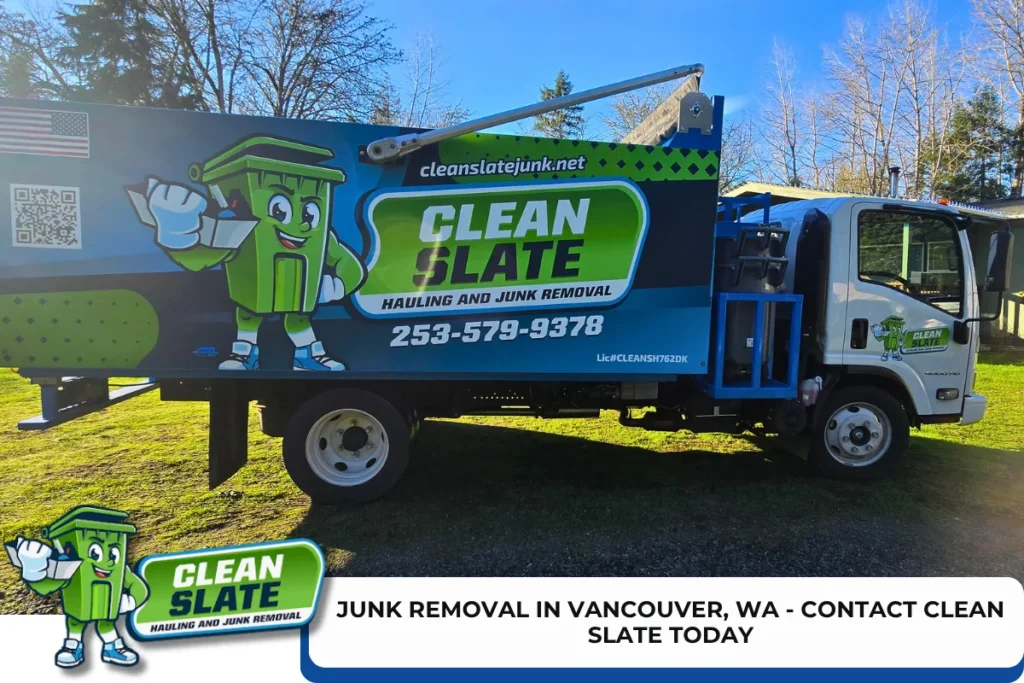
At Clean Slate Hauling And Junk Removal Vancouver, we specialize in rental property cleanouts, unit turnovers, and hauling away everything from a single couch to a full apartment’s worth of abandoned belongings across Vancouver, Washington. Our team handles all the lifting, loading, and responsible disposal so you can stay focused on screening applicants and managing your lease agreements. We are not a cleaning company. We are your junk removal partner built for the speed and reliability that landlords and property managers need. Our pricing is transparent, our response times are fast, and we coordinate closely with your maintenance crews to get rentals rent-ready as quickly as possible. Call us at (360) 469-5802, fill out our contact form on our site, or visit us to talk through your recurring turnover needs. We are here to serve you.
Frequently Asked Questions
How early should I schedule junk removal when I know a tenant is moving out?
Pencil in a tentative junk hauling window as soon as the move-out date is confirmed. You do not need to finalize everything at that point, but getting on a provider’s calendar, especially during peak moving season in summer, secures better time slots and prevents delays. Once the tenant returns keys and you complete your walkthrough, confirm the scope and date with your hauler. If the tenant leaves the unit nearly empty, you can easily rescale or cancel service according to the provider’s policy. This approach is always better than scrambling for last-minute help when you discover a full apartment of abandoned items on move-out day. Early planning also allows you to line up painters and cleaners for the day after removal.
What should I do if a tenant leaves behind a vehicle or very large outdoor items?
Unregistered vehicles or trailers often follow different rules than household junk. Washington has specific procedures for abandoned vehicles that may involve notifying the Department of Licensing rather than simply calling a hauler. Document the vehicle’s identifying details, including make, model, color, plate number, and VIN if visible. Notify the former tenant in writing at their last known address and check with local authorities or legal counsel before arranging removal. For large outdoor items like play structures, hot tubs, or sheds, some junk removal companies can handle these once ownership and disposal rights are clear. Always get written confirmation before authorizing removal of anything that could be claimed later.
Can I use the same junk removal partner for routine cleanouts and bigger renovation debris?
Many junk hauling providers are equipped to handle both standard rental cleanouts and larger debris volumes from remodeling projects, provided the materials are accepted at local disposal facilities. Ask about acceptable materials, weight limits, and any separate pricing for heavy loads like tile, drywall, or old cabinetry. Some materials may require drop-off at specific transfer stations rather than mixed-load disposal. Building an ongoing relationship with one provider simplifies scheduling, billing, and communication across different types of work on the property. It also means crews already know your property layouts and access points, which saves time on every visit regardless of the scope of the job.
How can I reduce how much junk tenants leave behind in the first place?
Start with clear lease language that requires tenants to remove all personal belongings by the move-out date and explains that abandoned items may be handled at their cost where legally permitted. Provide tenants with a move-out checklist that includes local donation resources, recycling drop-off locations, and expectations for curb and trash area cleanliness. Schedule a brief pre-move-out walkthrough about two weeks before the lease ends. This gives tenants a chance to ask questions about what needs to go, what counts as normal wear, and what might trigger deposit deductions. That single walkthrough often reduces the volume of leftover items dramatically and minimizes surprises for both sides on the final day.
What if I manage multiple units and need junk removal at different properties each month?
Discuss portfolio-wide needs with one junk removal service and explore options for preferred pricing, recurring time blocks, or priority scheduling. Sending photos and move-out dates in batches helps the provider plan efficient routes across Vancouver, which may keep costs more consistent and predictable. Establish consistent processes across all properties: standard documentation checklists, clear access instructions, and uniform invoicing details. This creates smoother experiences for both your management team and the hauling crew. Over time, the provider learns the quirks of each building, from tight stairwells to gated parking, and that familiarity translates directly into faster, more affordable service on every job.
Disclaimer: This article provides general information about junk removal and rental turnovers in Vancouver, Washington. It is not legal, financial, or regulatory advice. Landlords should consult a qualified attorney or local advisor for guidance on their specific situation.
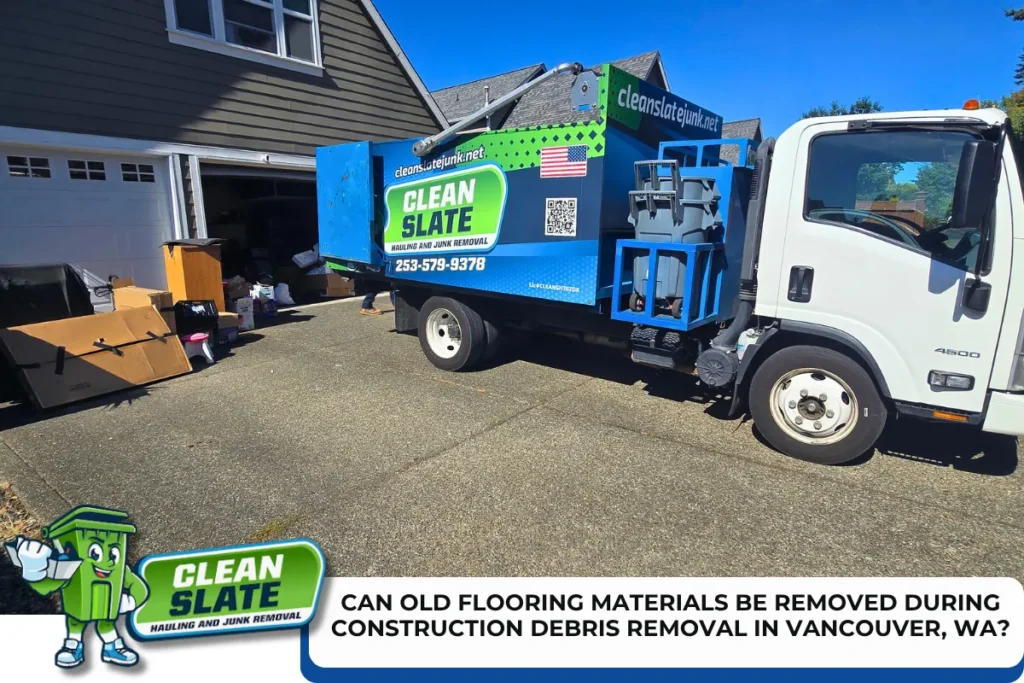
Read Can Old Flooring Materials Be Removed During Construction Debris Removal in Vancouver, WA?