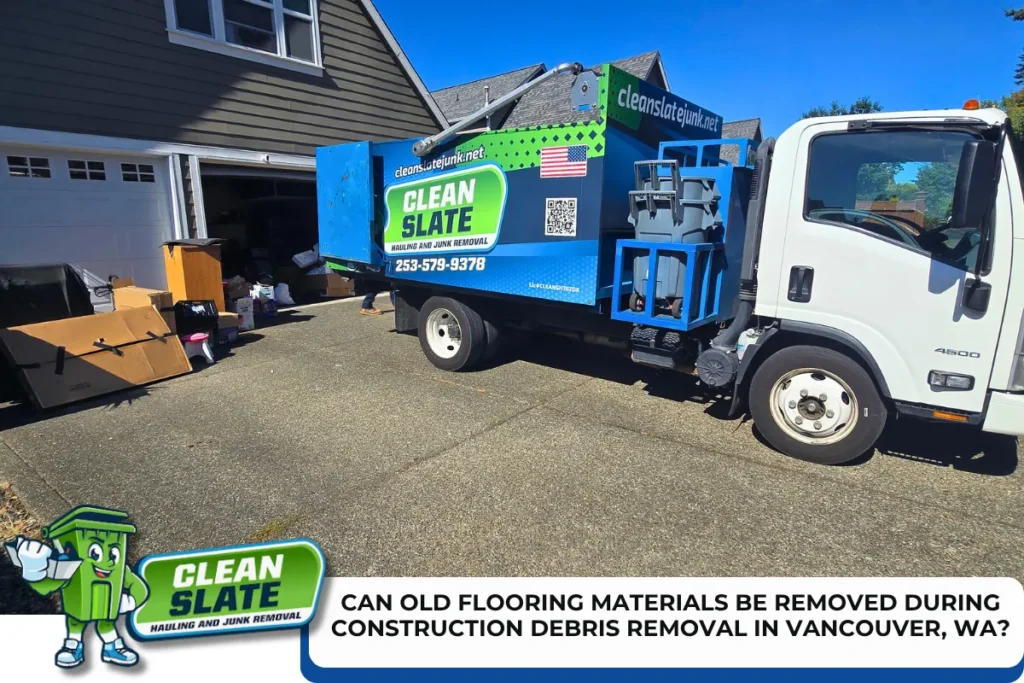
Construction debris removal is one of the first things homeowners search for once a flooring tear-out begins, and for good reason. A typical home renovation generates various waste materials, and removing old flooring alone produces piles of carpet, tile shards, vinyl strips, and underlayment scraps that quickly overwhelm a garage or driveway. Left sitting, those piles attract dust, create tripping hazards from exposed nails, and make it impossible for installers to start laying new floors. Junk removal services can handle renovation waste disposal from start to finish, taking old flooring off your hands so the project keeps moving. This article covers which flooring types qualify, how to prepare them, what local regulations in Vancouver and Clark County require, and how to plan for cost and timing.
Key Takeaways
- Most construction debris removal services in Vancouver, WA can haul away old flooring, but material-specific exceptions apply based on age, condition, and composition.
- Carpet, padding, laminate, tile, vinyl, and hardwood are usually accepted when properly prepped and separated before pickup.
- Flooring suspected of containing asbestos, such as vinyl tiles or mastic installed before the late 1980s, requires professional testing and licensed abatement rather than standard junk removal.
- Clark County rules and eco friendly practices influence how flooring waste is sorted, hauled, recycled, or diverted from landfill.
- Scheduling debris removal soon after demolition keeps your project on track and your workspace safe for new flooring installation.
Which Old Flooring Materials Can Be Removed in Vancouver, WA Renovation Projects?
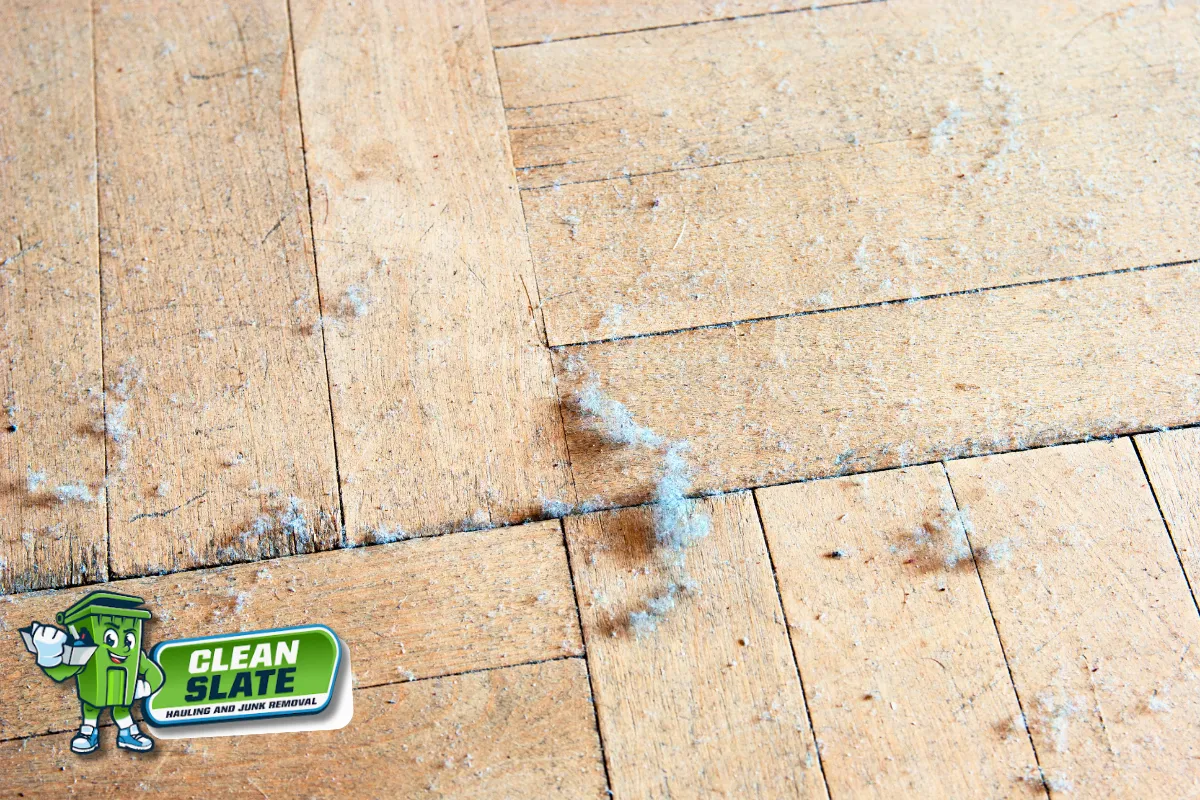
Most common residential and light commercial flooring types can be included in a debris removal load, provided they are non-hazardous and properly separated. Construction debris removal is available for residential and commercial projects throughout the Vancouver area, though material restrictions vary by provider and local facility rules. Old flooring removal includes vinyl, laminate, and carpeting, along with several other categories.
Here is what a standard removal service will typically accept:
- Wall-to-wall carpet and carpet padding
- Solid hardwood planks and engineered hardwood
- Laminate flooring
- Luxury vinyl plank and modern sheet vinyl (non-asbestos types)
- Ceramic and porcelain tile
- Stone tile and linoleum
- Related components: baseboards, transition strips, tack strips, underlayment, broken trim, and small amounts of subfloor scraps
Construction debris includes old flooring, tiles, and packaging materials from your renovation, and most of it can ride together in a single load if the materials are free of hazardous contamination.
Flooring removal requires compliance with local health agency guidelines in Vancouver. Any flooring suspected of containing asbestos must be tested before disposal. Under WAC 296-62-07721, asphalt or vinyl flooring installed in buildings by 1980 is presumed to contain asbestos unless a lab analysis proves otherwise. Older flooring materials may contain asbestos, and testing for the presence of asbestos is required for vintage flooring materials before they can be handled or hauled.
Some providers impose weight or volume limits per load. Dense materials like ceramic tile, stone, or thick hardwood can push a truck past its capacity fast. Confirm these limits when you book. For older homes in Vancouver, an inspection is recommended before removing resilient flooring installed before the late 1980s.
Preparing Old Flooring for Safe and Efficient Debris Removal
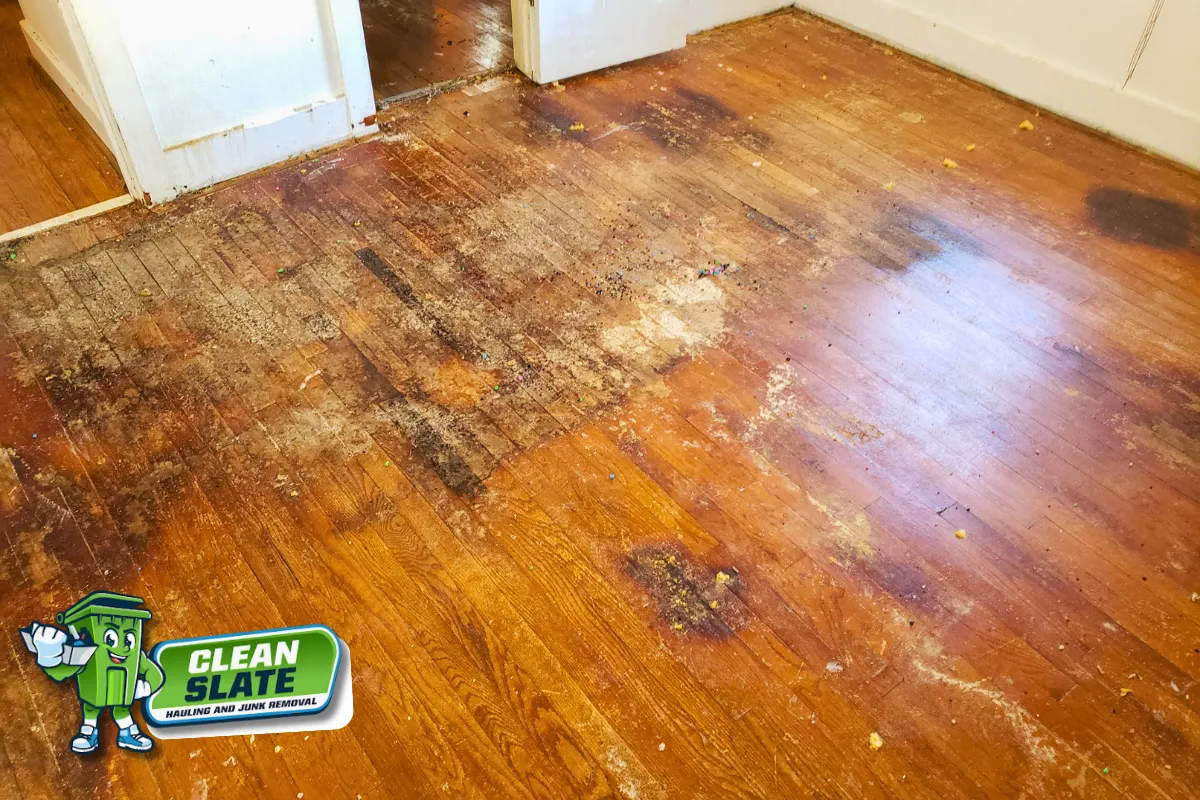
Proper preparation of old flooring makes pickup faster, safer, and often less expensive. Old flooring removal requires proper loading and disposal methods, and how you break down materials before the crew arrives directly affects how efficiently the truck gets loaded.
Carpet and Padding
Cut carpet into strips about three to four feet wide. Roll each strip tightly and secure it with tape or twine. Keep carpet separated from padding when possible; recycling facilities in Clark County accept carpet and carpet pad as separate categories, and mixing them reduces the chance of diversion from landfill.
Tile and Stone
Old tile flooring often results in rubble and dust. Break tile into smaller pieces that fit into sturdy contractor bags or small boxes. Do not overfill; a single five-gallon bucket of ceramic tile can weigh over 50 pounds. Distribute the weight across multiple containers to keep each one within safe lifting guidelines.
Laminate and Vinyl Planks
Stack planks neatly with nails or screws facing inward. Avoid leaving protruding edges that could cut hands during hauling.
Hardware and Sharp Items
Remove or flatten tack strips, staples, and exposed nails before the junk removal team arrives. This reduces injury risk on the jobsite and speeds up the loading process.
Dust Control
Sweep the area, lightly mist dusty surfaces, and bag loose debris to minimize airborne particles during loading. Enclosed spaces like hallways and bathrooms concentrate dust quickly.
Access Paths
Clear a path from the work area to the driveway or curb. Move tools, cords, and leftover materials out of the way so the debris removal crew can work quickly and safely across the entire property.
What Cannot Go with Regular Flooring Debris in Vancouver, Washington?
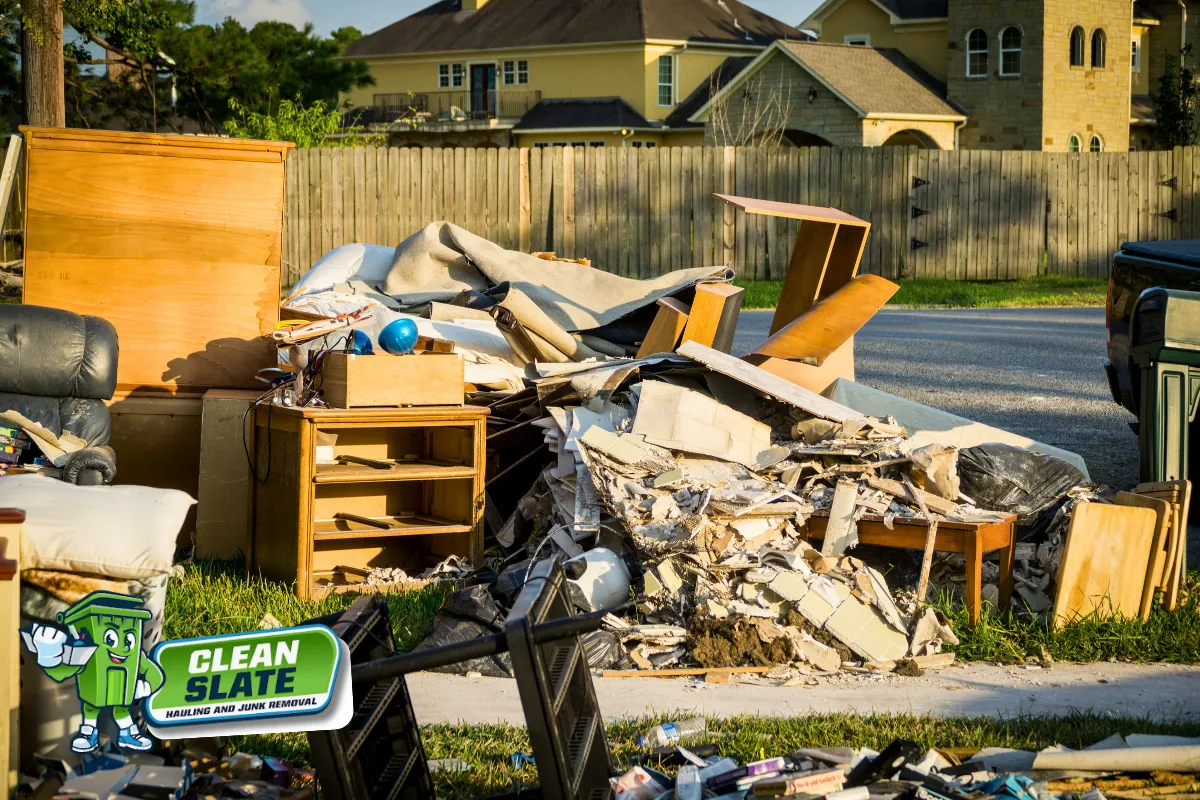
While most old flooring can be hauled away during a standard pickup, some materials are restricted by state and local rules. Do not use bulky-item pickup for flooring materials due to potential asbestos. Mixing restricted items into a standard construction debris load can result in rejected loads at transfer stations, fines, or additional disposal fees.
Common exclusions include:
- Suspected asbestos floor tiles and asbestos-backed vinyl
- Older mastics and adhesives that may contain asbestos
- Containers of solvent-based glue or liquid floor-leveling compounds
- Leftover adhesive removers, strong solvents, and certain sealers
Hazardous adhesives and chemicals must not be discarded in standard construction dumpsters. These are classified as hazardous materials under Washington disposal guidelines and require separate handling.
Special handling practices are needed for removing asbestos-containing flooring. A Special Waste permit is required for disposing of asbestos-containing materials at Clark County transfer stations. Certified abatement professionals must manage the removal process, including wetting non-absorbent asbestos materials, sealing waste in labeled containers, and transporting them to approved disposal sites.
Large quantities of soil, rocks, or concrete exposed under the flooring, as well as structural members, are often outside the scope of standard debris hauling. These may require a different service or specific equipment like a mini dumpster or flatbed.
Overloaded bags or boxes of tile and stone may be refused for safety reasons. Services may ask you to redistribute the weight into smaller containers before the crew can load them onto the truck.
Local facilities sometimes have separate drop-off rules for treated wood, pressure-treated subfloor sections, or materials contaminated with oil, fuel, or other chemicals. Check with your chosen provider ahead of time about any restricted materials so the final cost and process hold no surprises on pickup day.
Eco-Friendly Options for Disposing of Old Flooring in Clark County
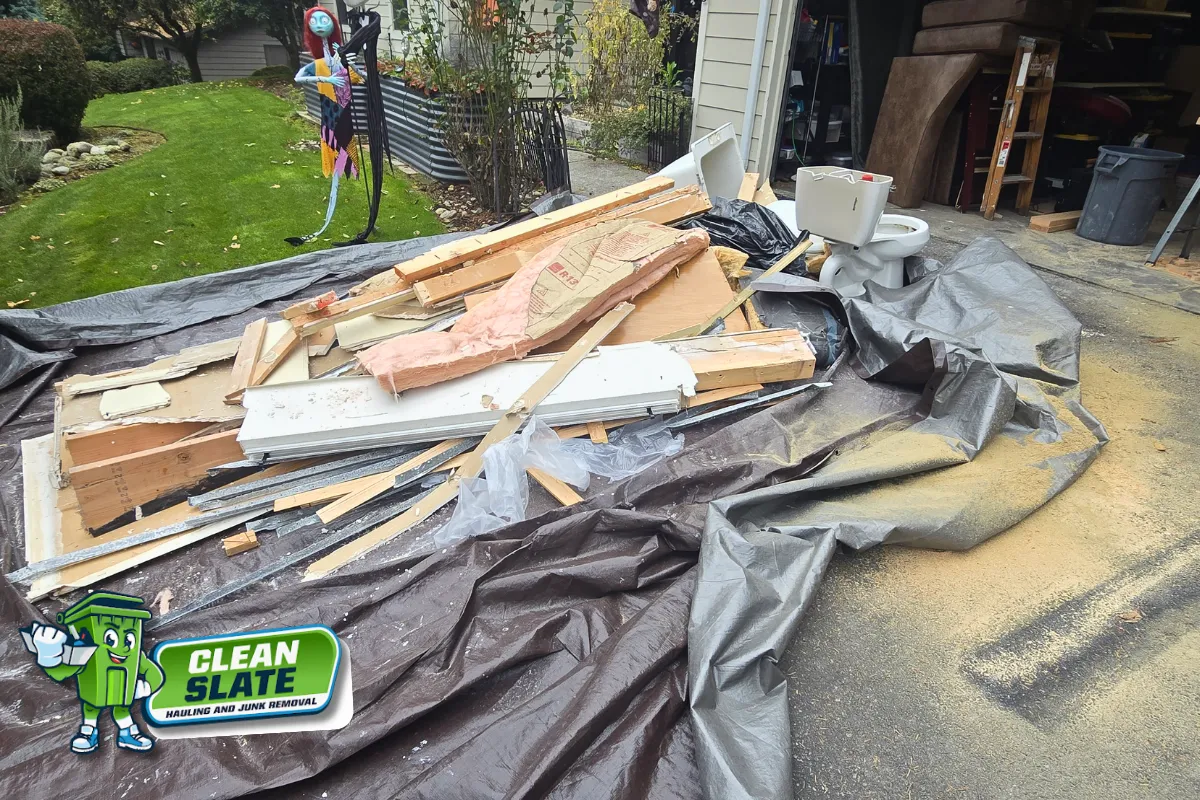
Many homeowners in Vancouver and across Clark County prefer eco friendly junk removal approaches when replacing floors. Professional services ensure safe and eco-friendly debris disposal when loads are sorted properly, and several local options exist for keeping usable materials out of landfills.
Carpet and Carpet Pad Recycling
Carpet and padding that stay dry and free of excessive contamination can be recycled. The Clark County recycling toolkit lists carpet and carpet pad as separate material categories with specific recyclers. Local regulations may require certain flooring debris to be separated for recycling, so keeping carpet apart from mixed construction materials at the jobsite matters.
Salvage and Reuse of Wood Flooring
Hardwood planks and engineered wood in good condition can be donated to salvage operations and reuse stores in Clark County. This reduces the volume heading to disposal sites and can save homeowners money on dump fees. Some organizations collect reusable building materials for resale to local communities.
Tile, Stone, and Concrete Reuse
Certain tile, stone, and concrete pieces may serve as fill or landscape material in appropriate projects, provided they meet local reuse rules. Clean rubble separated from other debris has a better chance of being accepted.
Metal Separation
Separating recyclable metals; nails, screws, metal transitions, and thresholds; from mixed construction debris allows junk removal services to route them to appropriate recycling streams rather than landfill.
Local waste transfer stations accept various construction and demolition debris, and Clark County operates three: West Van Materials Recovery and Transfer, Central Transfer and Recycling, and Washougal Transfer Station. Residents can self-haul their own construction debris to local transfer stations, though as of 2022 no vendor in Clark County accepts mixed C&D loads for recycling. Separation at the source is the only reliable way to divert materials from landfill.
Communicate your sustainability goals when scheduling service so loads can be sorted and routed in the most responsible way possible. An experienced team will stay current on which facilities accept what.
Cost, Timing, and Logistics for Flooring Debris Removal
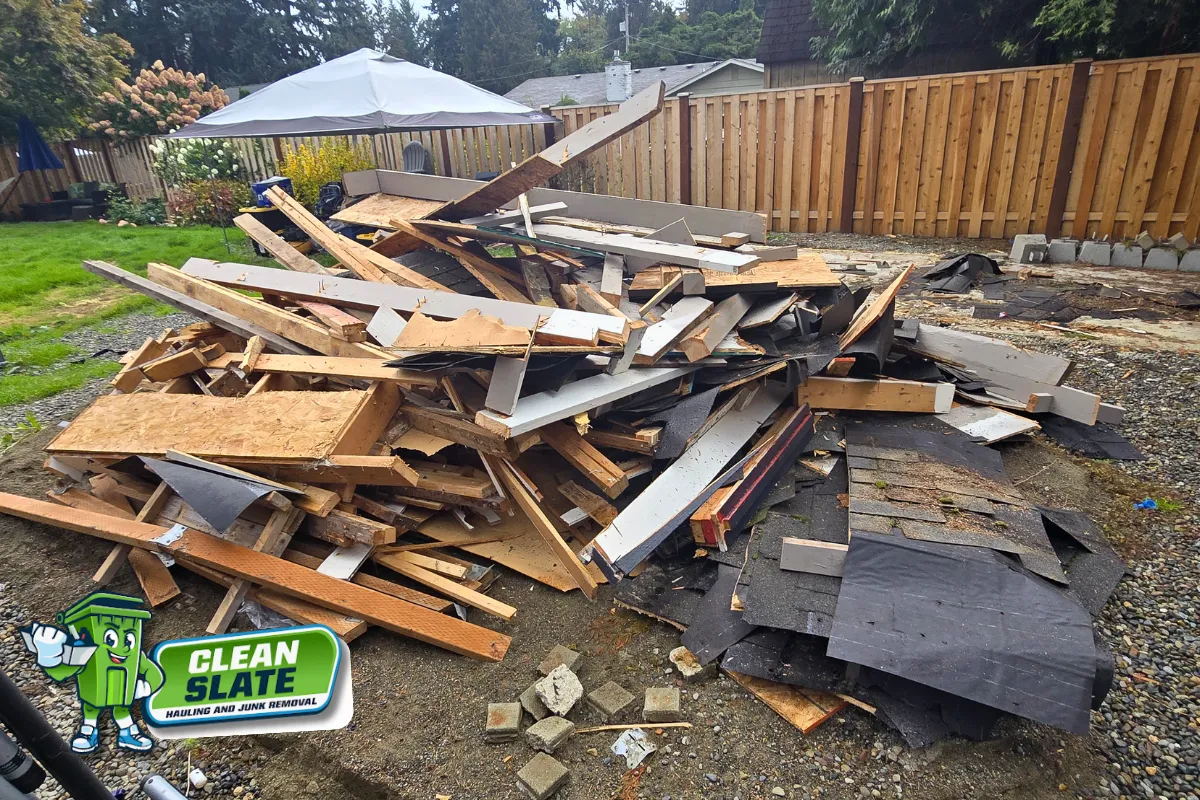
Understanding pricing structure and timing helps homeowners and contractors integrate flooring tear-out and debris hauling into their project timeline without delays or hidden fees.
Pricing Models
Most debris removal providers in Vancouver charge based on volume; how much space your materials occupy in the truck. Heavy materials like tile and stone can trigger weight-based surcharges even if they take up a small portion of the bed. Difficult access, such as narrow doorways, multiple flights of stairs, or long carry distances from the work area to the street, may also increase cost.
Bundling old flooring with other renovation waste like trim, cabinets, and drywall scraps is usually more cost-effective than scheduling separate pickups. Just make sure the combined load stays within the provider’s limits.
Timing and Scheduling
Plan pickup soon after demolition so installers have a clear, safe workspace for new flooring. Debris removal services often include same day or next day options, but advance booking is still recommended during busy renovation seasons (spring and summer in Vancouver) to secure your preferred time window. Some providers offer same day or next day services for urgent cleanup projects.
Access and Local Rules
Reserve adequate parking space for the truck in your driveway or on the street within local parking rules. Clear pathways through the home or building, and check any HOA or property management requirements for work hours or noise levels.
Washington State has exclusive rights regulations limiting who can haul construction waste in certain jurisdictions. Certain contractors must follow stricter hauling rules compared to residents. If you plan to self-haul, all self-haul loads must be secured and covered during transport to prevent littering. In Vancouver, covering and securing loads during self-hauling is legally mandated.
Ask for a free estimate based on photos or an on-site assessment so you understand the likely cost before removal starts. A transparent provider will explain what is covered and what falls outside a standard load, reducing the risk of misunderstandings about the final cost.
Construction Debris Removal in Vancouver, WA; Clean Slate Hauling And Junk Removal
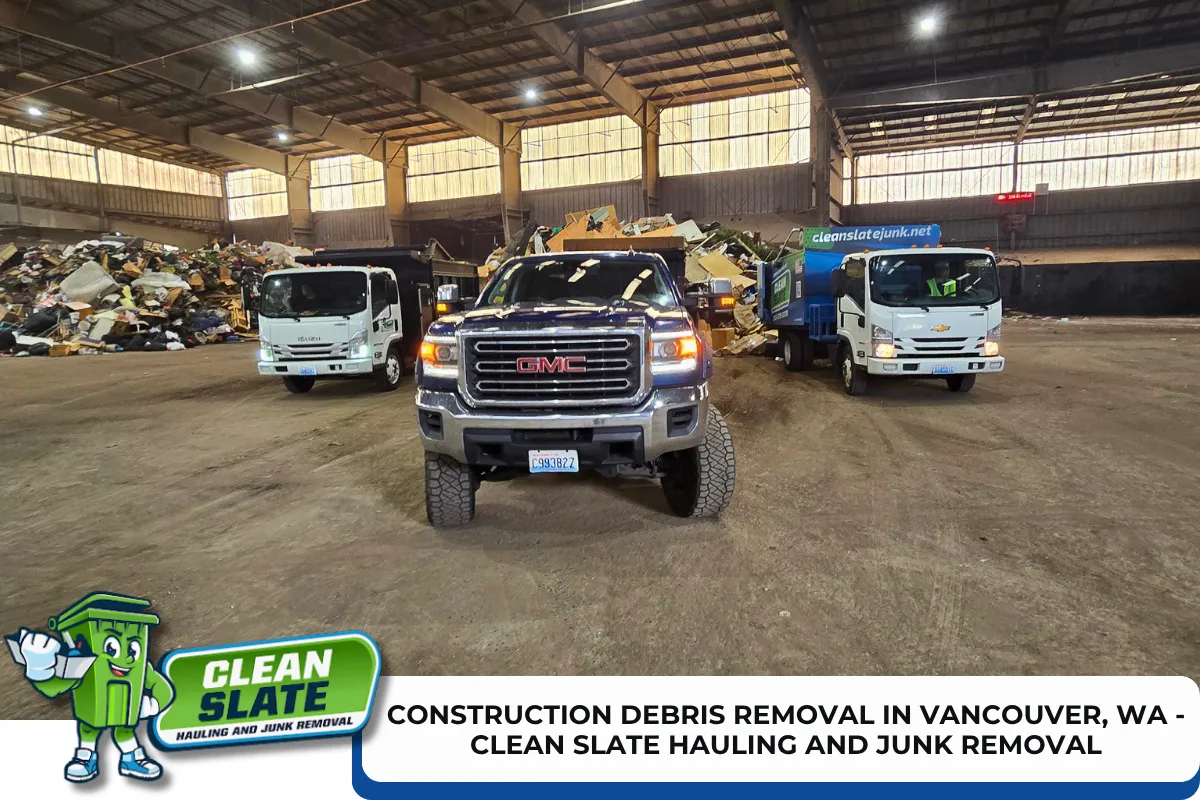
We are Clean Slate Hauling And Junk Removal Vancouver, and we provide construction debris removal across Vancouver, Washington. Whether you are tearing out carpet from a rental property, pulling up tile in a bathroom remodel, or clearing laminate from an entire floor, our team handles the heavy lifting, hauling, and responsible disposal so you do not have to load a truck or figure out local disposal rules on your own.
Our junk removal service covers old flooring, trim, underlayment, and other renovation waste from homes, rentals, and small commercial projects. We are not a cleaning company; we are a hauling and debris removal operation focused on keeping your property cleanup efficient and your new installation on schedule.
Call us at (360) 469-5802 or fill out our contact form to get a free estimate. We work with homeowners and contractors throughout Vancouver to make sure unwanted items from your renovation are gone quickly and handled with care for the environment. Let our team take care of the mess so you can focus on what your space will look like next.
Frequently Asked Questions
Below are additional questions about removing old flooring during renovation cleanups in Vancouver, WA.
Do homeowners need permits to dispose of construction debris from flooring projects?
For standard flooring materials like carpet, tile, laminate, and hardwood, homeowners in Vancouver generally do not need a separate disposal permit. You can self-haul these materials to Clark County transfer stations without special paperwork. The exception is asbestos-containing material, which requires a Special Waste permit before it can be accepted at any disposal facility. If your flooring tests positive for asbestos, you will need to coordinate with a licensed abatement contractor who handles the permitting and transport to an approved site. Contact the Clark County Environmental Services office to confirm current requirements before your project begins. Permit rules can change, so verifying ahead of time protects you from delays and potential fines at the transfer station gate.
How far in advance should I schedule debris removal when planning a major flooring replacement?
During peak renovation months, roughly April through September in Vancouver, booking at least one week ahead is a practical minimum. If your project involves multiple rooms or you are coordinating with a flooring installer who needs a clear workspace by a specific date, schedule two weeks out. Communicate your demolition timeline to the removal provider so they can align pickup with the day you finish tearing out old flooring. This avoids a gap where piles of debris sit in your living space or garage, blocking the installer. During slower months, many providers can accommodate convenient next day services or even same day pickup with shorter notice, but confirming availability early costs nothing and removes uncertainty.
Must flooring nails, screws, and tack strips be removed before the junk removal crew arrives?
Most providers do not require you to pull every nail or screw from old planks, but they do expect sharp hardware to be managed for safety. Flatten or remove tack strips from the subfloor, push protruding nails inward on stacked boards, and sweep up loose screws and staples into a container. This prevents puncture injuries during loading and protects the truck bed. If tack strips are still nailed to the subfloor and you want them removed, ask your provider whether that is part of their service or if it requires a separate arrangement. Prepping hardware before the crew arrives typically speeds up the job and may reduce labor charges, keeping total cost lower.
How do partially finished rooms affect debris removal options and pricing?
If only part of the flooring in a room has been torn out, the removal crew can still collect whatever materials are accessible and ready to go. The pricing is based on the volume of debris actually loaded, not on whether the room is fully or partially demolished. Keep new flooring materials stored separately and clearly marked so nothing gets loaded by mistake. If old flooring remains attached to the subfloor and you want it removed, confirm whether your junk removal service provides demolition labor or only hauls away materials you have already pulled up. Some providers offer both, while others handle only the hauling. Clarify this at booking to avoid scheduling conflicts with your contractor.
What happens if the weather is bad on the scheduled pickup day?
Light rain rarely causes cancellations. Crews routinely load trucks in drizzle and overcast conditions common to the Vancouver area. If heavy rain, high winds, or ice create unsafe conditions for loading or driving, the provider may reschedule to the next available window, often the following day. Wet carpet absorbs water and becomes heavier, which can affect load weight limits and pricing if the material sat uncovered overnight. Covering flooring debris with a tarp before pickup day protects against this. Ask your provider about their rescheduling policy when you book so you know what to expect. Most reputable services will not charge a cancellation fee for weather-related delays, but confirming that upfront keeps customer satisfaction high and avoids disputes.
Disclaimer
Disclaimer: This article provides general information only and is not legal, regulatory, or environmental compliance advice. Verify current Vancouver, Washington and Clark County rules with the appropriate local agencies before removing or disposing of any flooring materials.