Why Smart Staging Matters for Junk Removal in Tacoma, WA
Scheduling junk removal in Tacoma, WA is the easy part of an estate cleanout. The hard part is knowing what stays and what goes before the truck pulls up. Most families walk into a house packed with decades of belongings and feel the emotional weight hit before they even open a closet. Without a plan, important documents get tossed into trash bags, sentimental items end up in junk piles, and disagreements between family members stall the entire process for weeks. Hauling costs climb when crews have to sort through mixed, unlabeled rooms instead of loading clearly staged zones. The solution is smart staging, a method of grouping items intentionally before any cleanout services or junk hauling service begins work. Tackling an estate cleanout requires a systematic approach. This article walks through that system step by step, tailored to Tacoma homes and local rules, so you can create a clear plan to avoid feeling overwhelmed.
Key Takeaways
- Group items into clear categories (keep, donate, sell, recycle, junk) before any estate cleanout to speed up junk removal and reduce mistakes.
- Secure important documents and sentimental items first, then move on to furniture, appliances, and everyday household goods.
- Use color-coded labels and staging zones in each room so the crew arrives to a clearly organized home, lowering stress and total time on site.
- Coordinate early with family members and set written rules for what the estate cleanout includes to prevent conflicts and second-guessing.
- Plan for Tacoma-specific issues like local donation options, recycling rules, and safe handling of hazardous materials.
Step One: Secure Important Documents and Legal Papers Before Anything Else
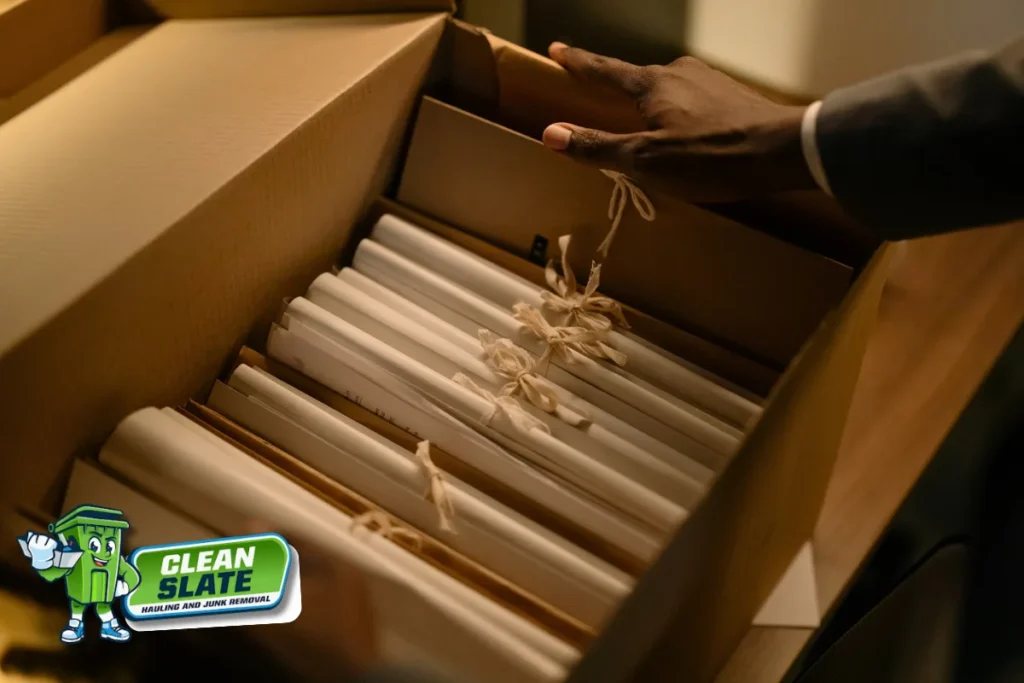
Every estate cleanout should begin with paperwork, not furniture. Preparation involves securing vital documents before sorting items of any other kind, because once boxes start moving and bags start filling, papers disappear fast.
Walk through the entire property and collect the following:
- Wills and trust documents
- Property deeds and mortgage records
- Insurance policies (life, home, auto)
- Bank statements and financial records
- Tax returns from at least the past seven years
- Vehicle titles
- Military service records
- Medical files and personal identification
Locate wills and insurance policies during the cleanout and set them aside immediately. Secure important documents in a labeled folder or box, stored in a low-traffic room that nobody will use for sorting other belongings. A lockable container adds an extra layer of protection.
Do not overlook digital information. Look for digital assets like online banking credentials, email passwords, cloud storage accounts, and any encrypted drives. Important documents include financial records and personal identification, but they also include anything stored on a laptop or phone that ties back to the estate.
Scan and back up important documents before sorting begins so that even if originals are misplaced later, copies exist. For Tacoma properties specifically, retain any paperwork related to local utilities, property taxes, and homeowner association documents. These are often needed for closing or transferring the property and tend to be buried in basements or garage file cabinets.
Paperwork and sentiment extraction should happen before bulk sorting. Once this foundation is secure, the rest of the process moves faster and with far less risk.
Managing Emotional Weight: Supportive Staging for Sentimental Items
No checklist can fully prepare you for opening a drawer and finding a handwritten letter from a loved one. The emotional weight of sorting a lifetime of accumulated belongings is real, and smart staging should make decisions gentler, not harsher.
Start by creating a dedicated "memory zone" in one room or corner reserved exclusively for sentimental items: photos, letters, heirlooms, handmade crafts, military memorabilia, wedding keepsakes. Use a separate color label, such as gold or blue, reserved only for these pieces so they are never confused with regular sorting categories.
A few strategies that help:
- Working in short sessions of 2 to 3 hours helps manage emotions and prevents burnout. Marathon sorting days often lead to regret.
- Designating a family member as the "keeper of stories" can help preserve context. That person photographs items, records the memories attached to them, and keeps a simple log.
- Taking photographs of sentimental items can preserve memories even when the physical object needs to move on.
Set time limits for reviewing sentimental items so the entire estate cleanout does not stall on one box of old photographs. An efficient cleanout ensures sentimental items are preserved and valuable items are assessed without rushing anyone into decisions they are not ready to make.
Emotional categories should never be mixed into regular junk piles. Hiring professionals can alleviate emotional burdens during cleanouts by handling all the heavy lifting while the family focuses on choices that matter most.
Designing Your Staging Plan: Zones, Labels, and Clear Categories
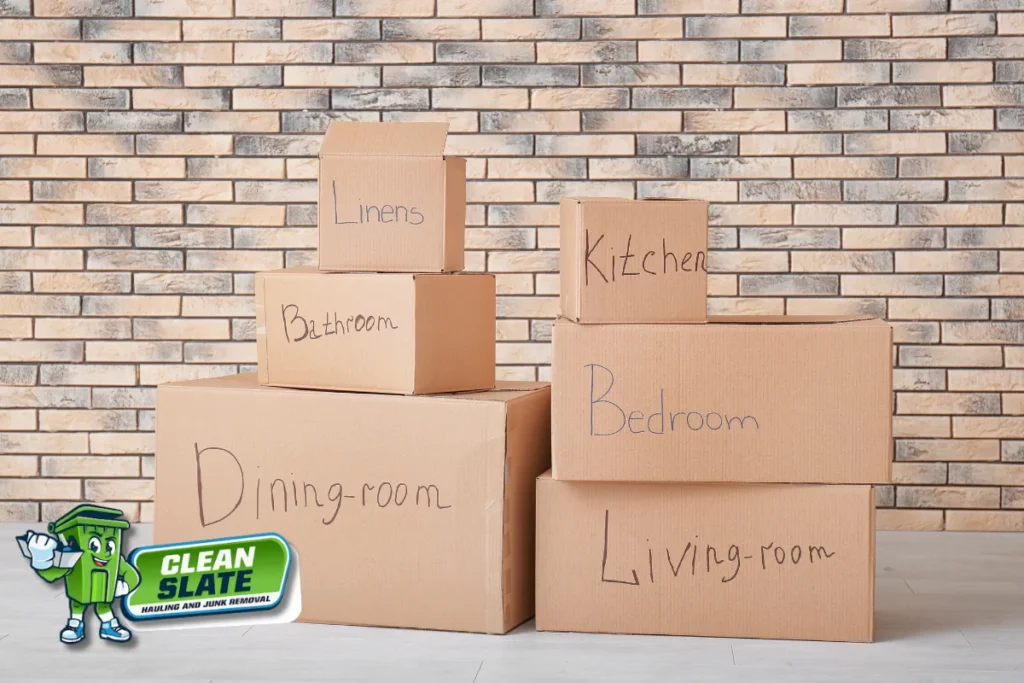
A written staging plan keeps everyone on the same page and makes it obvious what the estate cleanout includes. Without one, different family members sort by different rules, and confusion multiplies.
The Five-Pile Method is an effective strategy for sorting items during a cleanout. Set up these main categories:
- KEEP
- DONATE
- SELL
- RECYCLE
- JUNK
You can also add an optional STORAGE zone for items being held short term while decisions are finalized.
Use colored tape or signs to label sorting zones during organization. Assign each category a specific color sticker or strip of painter’s tape, and place large printed signs in every room. For example:
| Category | Color | Location |
|---|---|---|
| Keep | Green | Primary bedroom |
| Donate | Yellow | Living room corner |
| Sell | Orange | Dining room |
| Recycle | Blue | Garage left side |
| Junk | Red | Garage right side |
Create staging zones in larger spaces like the garage, living room, or basement with clear walking paths between stacked, labeled boxes. Organizing and grouping items efficiently makes the process manageable rather than chaotic.
For Tacoma home layouts with daylight basements or detached garages, stage items as close to exits as possible. This speeds up loading on the day the junk hauling service arrives. Categorizing items prevents unnecessary clutter during cleanouts and keeps the property navigable throughout the process.
Nothing should leave the house until it is labeled and placed in the correct zone, reducing last-minute confusion when the crew arrives.
Room-by-Room Grouping Strategy to Stay Organized
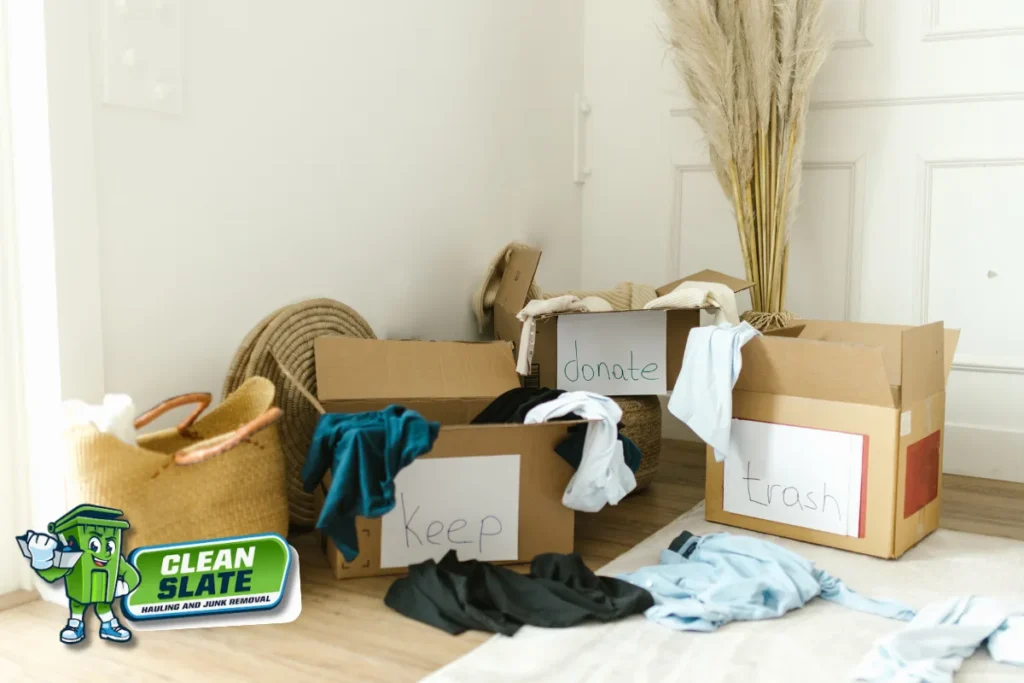
Sorting should be done room by room to maintain organization and prevent the overwhelming feeling of tackling everything at once. It is best to tackle small spaces first during an estate cleanout because quick wins build momentum.
Here is a recommended sequence:
Low-emotion areas first:
- Laundry room
- Hall closets
- Bathrooms
Then move to living spaces:
- Bedrooms
- Kitchen
- Living and dining areas
Save the largest spaces for last:
- Garage and shed
- Attic
- Basement
Guidance by room type:
- Kitchens: Group pantry food by expiration date, separate small appliances for testing, and pull cleaning chemicals from under the sink for hazardous handling. Dishes and cookware go into donate or junk based on condition.
- Bedrooms: Sort clothing, linens, old furniture, and personal keepsakes into distinct piles. Clothing in good condition can go to donation; worn or stained items belong in the junk zone.
- Bathrooms: Gather medications, toiletries, and any cleaning chemicals for safe disposal. Never mix these with general trash.
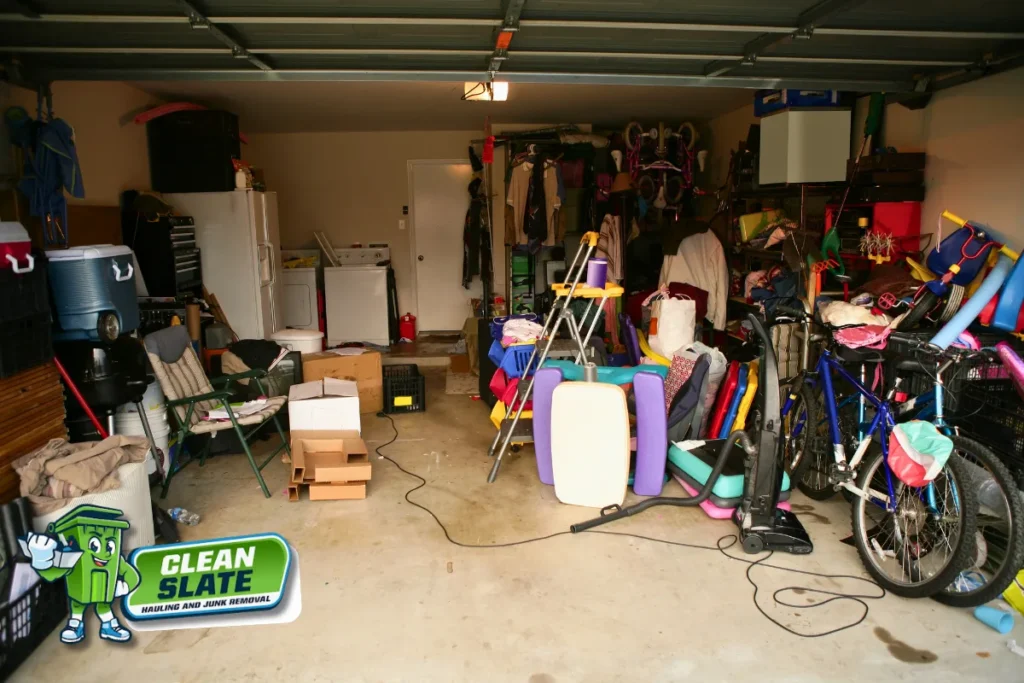
- Garage and yard: Group tools, outdoor equipment, paint cans, automotive fluids, and scrap metal. Many of these need special handling under local disposal rules.
Clear the floors and open walkways for an effective estate cleanout. Clearing pathways ensures safe navigation for volunteer helpers or hauling services working in the space. Set micro-goals like "clear this closet by Saturday" to keep the process moving smoothly across what can stretch into several weeks.
Some items, such as refrigerators, upright pianos, hot tubs, or safes, should stay in place and simply be tagged so the professional crew can remove them safely with proper equipment.
Read Downsizing Made Easy: How Junk Removal in Tacoma, WA Tackles Leftover Clutter
Creating Clear Categories: Keep, Share, Sell, Donate, Recycle, and Junk
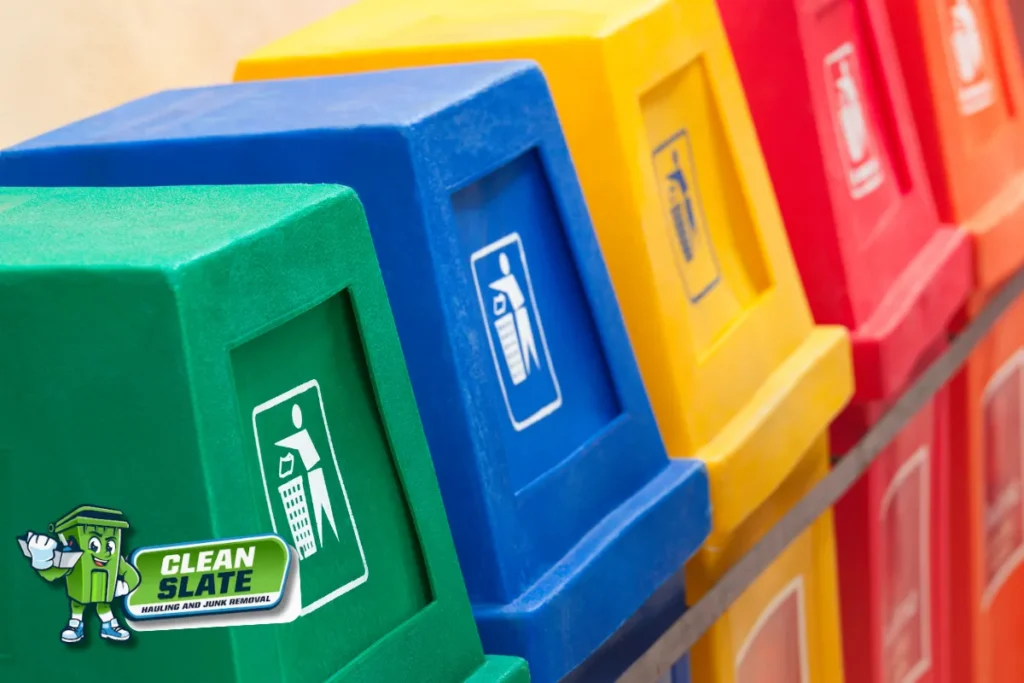
Good grouping decisions depend on consistent category rules agreed upon by key family members before sorting begins. The Four-Category Method includes Keep/Heirlooms, Sell/Consign, Donate, and Recycle/Trash, but expanding to six categories gives you more precision. Category Clustering makes sorting easier by keeping like items together.
KEEP: Essential furnishings, heirlooms, frequently used tools, valuable items with clear family significance, and anything legally required for the estate such as jewelry, antiques, or collectibles with appraised worth.
SHARE: Belongings intended for distribution among family members, including artwork, jewelry, or collections. Written lists prevent disputes. Grouping items systematically can reduce the risk of losing important family heirlooms.
SELL: Furniture in good condition, quality tools, electronics less than five to seven years old, and collectibles with market demand. Stage items for sale by grouping similar items together in a clean, accessible room. Online marketplaces can help move items quickly.
DONATE: Clean clothing, usable household goods, books, and small furnishings. Donation can help reduce waste and support those in need. Items not valuable enough to sell should be donated or recycled. Donation receipts can be used for tax deductions, so keep records.
RECYCLE: Scrap metal, electronics, cardboard, and certain plastics. Recycling electronics and appliances reduces landfill waste significantly.
JUNK: Broken furniture, stained mattresses, non-working appliances, and general trash designated for junk removal. Heavy and Bulk Segregation keeps large items separate from smaller goods, which speeds up loading. Sorting into four or more distinct categories speeds up loading and minimizes disposal costs overall.
Sort items into categories: keep, sell, donate, discard. Use a four-box system to categorize items in each room and you will stay organized throughout the entire scope of the job.
Coordinating With Family Members and Avoiding Conflicts
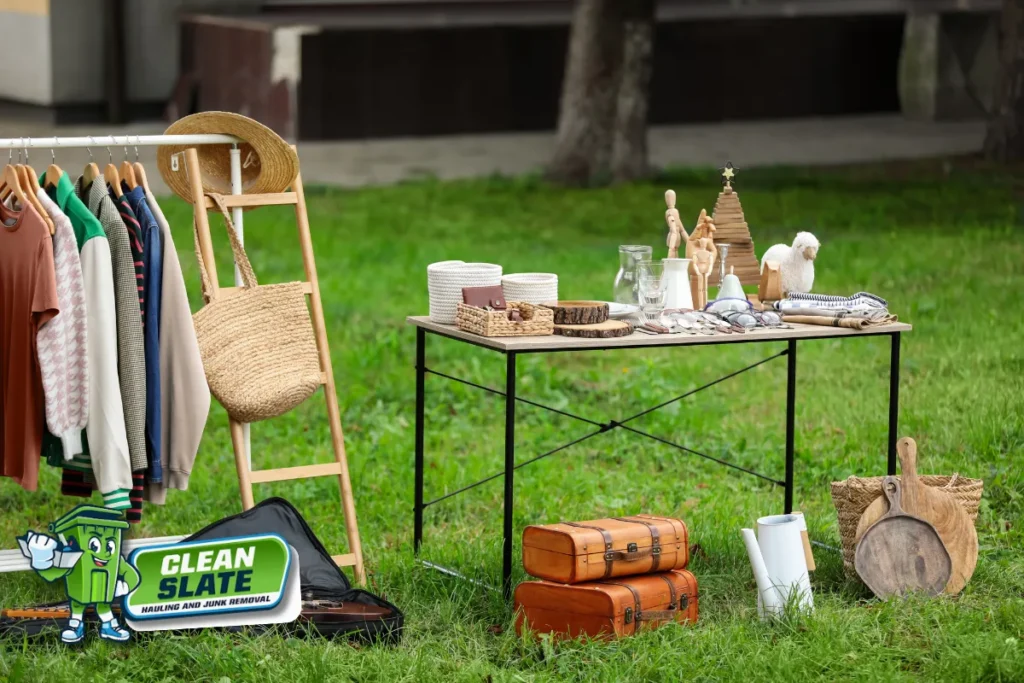
Estate cleanouts often involve multiple family members with different memories, priorities, and schedules. Many families find this coordination harder than the physical work itself.
Hold an initial family meeting, in person or virtual, to:
- Explain the staging system and category definitions
- Agree on what the estate cleanout includes and what falls outside the scope
- Set a realistic timeline for decisions, including deadlines for claiming items
- Establish who has legal authority (executor, power of attorney) to make final calls
Family Allocation Staging sets up a claim zone for items designated for relatives. Use colored labels with initials to mark items claimed by specific people, and set a firm deadline for physical pickup. After that date, unclaimed items move to donate or sell.
Create a shared list of high-interest items so expectations are clear before the process begins. Close friends of the deceased may also want specific keepsakes, so factor those requests in early.
Simple tie-breaker rules help when disagreements arise: rotation picks, drawing lots, or deferring to the executor. Document all decisions in writing to reduce tension later. Consider hiring help if family dynamics complicate decisions. Professional estate cleanout services or professional organizers can defuse conflict by handling the physical work while the family focuses on choices.
Preparing for Professional Estate Cleanout Services and Junk Hauling Day

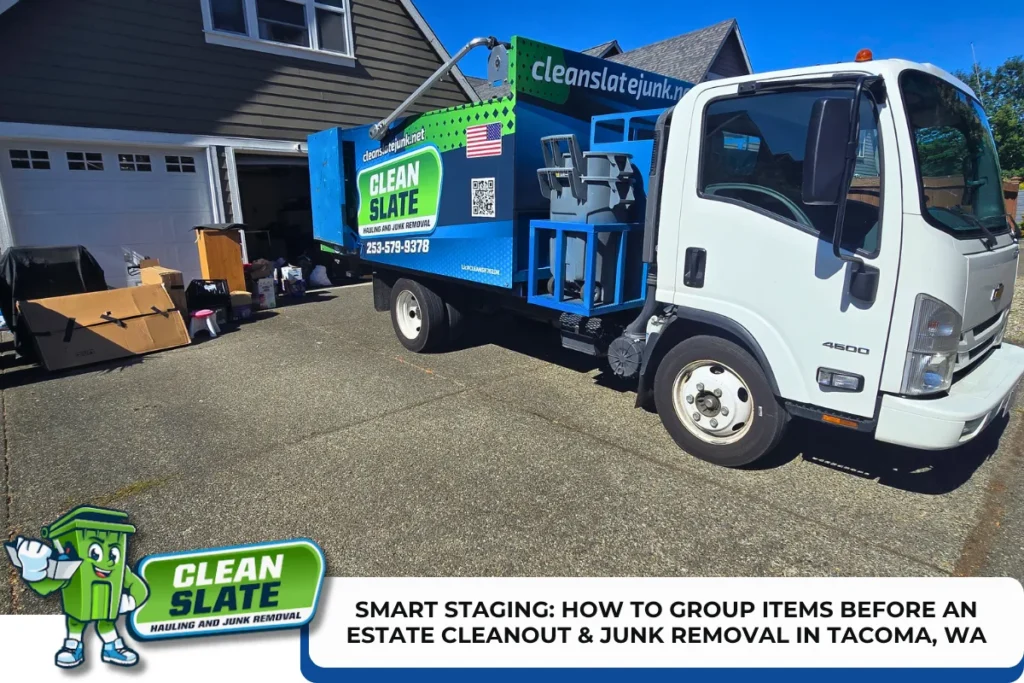
Thoughtful grouping directly affects the speed, safety, and cost of hiring a junk hauling service in Tacoma. The more organized your staging, the less time the crew spends figuring out what goes and what stays.
The week before the crew arrives:
- Walk through the property and confirm all labels are clear and consistent
- Double-check that important documents, sentimental items, and valuable items are removed from junk zones
- Take photos of each room and staging zone for your records
- Mark large items (old furniture, appliances, outdoor equipment) with visible tags or tape
A final staging pass before listing the property should include cleaning walkways and securing important documents one last time. Designate one decision-maker to be on site when the crew arrives to answer questions and authorize any last-minute adjustments.
Safety preparations:
- Clear paths through hallways, staircases, and doorways
- Secure pets in a separate area
- Check stairway railings and lighting in basements or attics
- Identify any potentially hazardous materials for special handling
For Tacoma specifically, consider driveway access and parking for large trucks. Some neighborhoods have narrow streets or limited curb space. Schedule around neighborhood quiet hours to avoid disruption.
Professional services can complete cleanouts in days, not months, especially when items are already grouped. Consider hiring professionals for homes over 2,500 square feet where the large volume of belongings makes self-hauling impractical. Professional organizers assist with sorting and decision-making on the front end, while professional cleanout services are recommended for hazardous materials and all the heavy lifting.
Local Considerations in Tacoma, WA: Disposal, Donations, and Hazardous Items

Tacoma residents in Pierce County must follow local rules for disposal, recycling, and hazardous materials during any estate cleanout. Getting these wrong can result in fines or rejected loads.
Hazardous materials like oil-based paint, automotive fluids, batteries, pesticides, and propane tanks cannot go into regular junk removal loads. Designate special handling for hazardous items during cleanouts by placing them in a clearly marked area, separate from everything else. Confirm lawful disposal options before scheduling your haul day. Items containing lead paint or chemical solvents require particular attention.
Donations in Tacoma have specific acceptance rules. Many local charities have size, condition, and cleanliness requirements for mattresses, electronics, and large furniture. Tacoma has local charities that offer pickup services for donations, and many charities offer free pickup for large donations, but always call ahead before staging a massive donation pile. Items that are soiled, damaged, or structurally unsound will typically be refused.
Recycling options in the city cover electronics, scrap metal, cardboard, and yard debris. Check city or county resources for guidance on proper recycling channels. The state operates a program that allows residents to recycle covered electronics at no cost through authorized collection sites.
Fees and disposal rates vary depending on what you are dropping off. Large furniture, appliances with compressors, and tires each carry special handling charges at local facilities. Proof of residency may be required to access residential disposal rates.
Keep receipts or records from donation and recycling centers for estate paperwork and possible tax purposes, as advised by a qualified estate attorney or tax professional.
Smart Staging Timeline: From First Walkthrough to Empty House
A typical estate cleanout takes 3 to 6 weeks for an average sized home, though larger estates or homes with decades of belongings may take longer. Organizing an estate cleanout requires establishing a systematic sorting strategy before the first box gets packed.
Example 3 to 6 week plan:
| Week | Focus |
|---|---|
| Week 1 | Secure important documents, tour the house, set up staging zones and labels, confirm legal authority |
| Week 2 | Sort low-emotion rooms: laundry, hall closets, bathrooms |
| Weeks 3-4 | Address bedrooms, living areas, kitchen; finalize keep, share, and sell piles |
| Week 5 | Tackle garage, attic, basement, sheds, and outdoor spaces; handle hazardous items |
| Week 6 | Confirm all categories, schedule junk removal, coordinate donations and final pickups |
Plan specific dates to work on the cleanout rather than leaving it open-ended. Sorting belongings can take several weeks to months without structure.
When working under tighter deadlines, such as a scheduled sale closing date or rental turnover, compress the timeline by prioritizing documents and high-value items first, then hiring a company to handle the bulk hauling. Build in buffer days for emotional breaks, consultations with an estate attorney, or family visits to review sentimental items.
Many families choose to bring in professional estate cleanout services that can compress this entire timeline significantly, especially when the junk is already grouped and labeled. For homes over 2,500 square feet, that professional support often pays for itself in saved time and reduced stress.
Putting It All Together: A Calm, Organized Estate Cleanout
Smart staging transforms a daunting task into a step-by-step process that respects both the property and the people connected to it. The core system is straightforward: secure documents first, preserve sentimental items with care, define clear categories, use labels and zones consistently, coordinate with family, and plan around local Tacoma rules for disposal, donations, and recycling.
The emotional benefits matter just as much as the practical ones. Fewer painful decisions under pressure, less second-guessing, and more space to honor memories instead of scrambling through mixed piles. On the practical side, faster junk removal, clearer communication with any crew, and better outcomes for donating usable items and recycling what you can.
The Wait and See Box is useful for items with uncertain value or attachment. If you are not ready to decide, box it, label it with a deadline, and revisit it later.
Even if the estate feels overwhelming right now, starting with one room and one category is enough to create real momentum. Begin where the emotional weight is lightest, and let each cleared space motivate the next.
Junk Removal in Tacoma, WA – Clean Slate
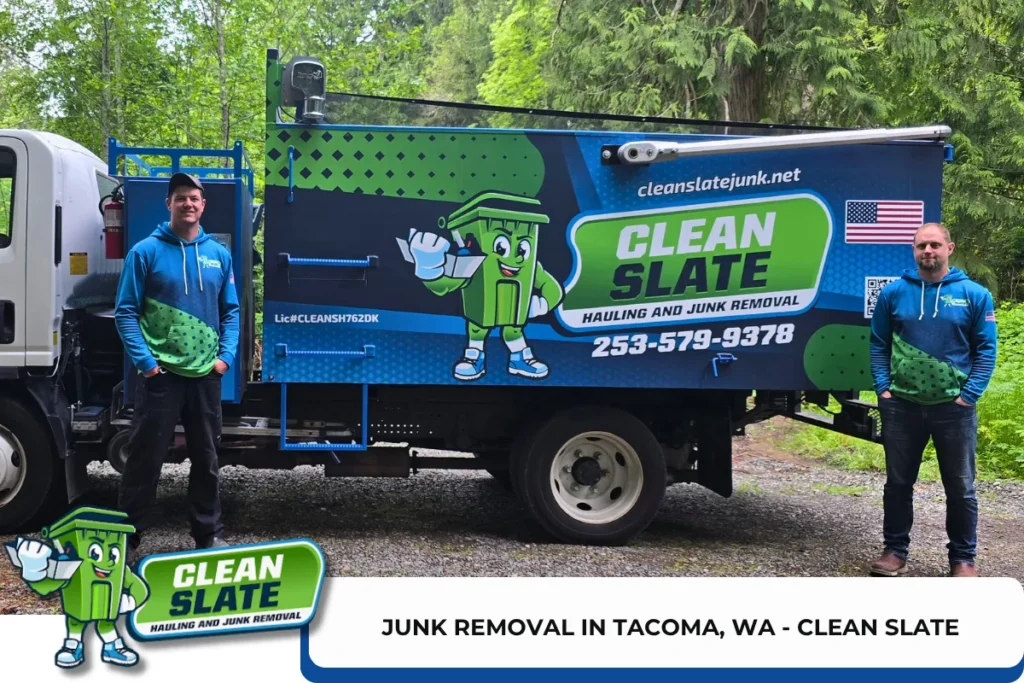
At Clean Slate Hauling And Junk Removal, we know that an estate cleanout is more than just clearing a house. It is a process that touches every family differently, and we treat it that way. We handle all the heavy lifting, hauling, and responsible disposal so you and your family can focus on decisions, not debris. Whether you have a small condo or a multi-story property packed with belongings, our team in Tacoma, Washington works on your timeline with respect and efficiency. Grouped items and clear labels from your staging work help us move even faster, saving you time and money. We are a junk removal and hauling company, not a cleaning service. Call us at (253) 246-1792, fill out our contact form, or visit our site to schedule fast, professional service today.
Frequently Asked Questions
How far in advance should I start grouping items before scheduling an estate cleanout?
For a small condo or one-bedroom space, two to three weeks of focused staging is usually sufficient. For a larger home with a basement, attic, and detached garage, plan for four to six weeks at minimum. The number of family members involved, work schedules, and any real estate or legal deadlines all affect timing. If you are under pressure, prioritize important documents and high-value items in the first few days. Even a few days of focused staging can noticeably improve speed and clarity for the hauling crew. Expect the timeline to stretch if multiple heirs need to review items remotely or if the home holds decades of belongings across many rooms.
What supplies do I need to set up effective staging zones in the house?
Gather sturdy boxes in multiple sizes, heavy-duty trash bags, painter’s tape in at least four colors, color-coded stickers, permanent markers, and clipboards with inventory sheets. Each supply serves a specific role: tape and stickers mark categories on items and boxes, markers label contents, and clipboards track what leaves each room. Keep a "tool kit" basket with scissors, tape, bags, and a marker that moves room to room with you. For safety, add work gloves, dust masks, and a headlamp or flashlight for poorly lit areas like attics, garages, and older storage spaces where visibility is limited and dust is heavy.
How can I tell if something belongs in the junk pile versus the donation or resale group?
Start by checking the item for structural damage, missing parts, stains, odors, or safety recalls. If it functions properly, is clean, and is in a condition you would feel comfortable giving to a close friend, it likely qualifies for donation or resale. Antiques, collectibles, and electronics less than five to seven years old may have resale value worth investigating on online marketplaces. Items with little or no market demand, or that are heavily worn, broken, or unsafe, are typically best sent to the junk pile. When in doubt, ask whether a donation center in your area would realistically accept it based on their published condition guidelines.
What if I am not ready emotionally to let go of certain sentimental items during staging?
Create a temporary "undecided" box for a limited number of emotional items, and write a specific date on the outside by which you will revisit each piece. This keeps the overall process moving without forcing a decision you are not ready to make. Photograph items before they leave your hands, write down the stories or memories attached to them, or share them with other family members who may want them. It is completely acceptable to slow down around certain objects. The goal is to maintain overall momentum in the cleanout while giving yourself the grace to process what these belongings represent.
Can I be present while the junk removal crew works, and what should I do during that time?
Many people choose to stay on site, and that is perfectly fine, but avoid trying to manage every individual item as it moves out the door. Your ideal role is answering questions, confirming any borderline decisions on items the crew is unsure about, and making sure only pre-labeled junk leaves the property. Most of the heavy sorting should be finished before the crew arrives, so haul day is about oversight and final checks rather than fresh decision-making. Designate one point person to communicate with the crew to keep the process smooth, respectful, and efficient from start to finish.
Disclaimer
This article provides general information about estate cleanouts and junk removal in Tacoma, Washington. It is not legal, financial, or tax advice. Consult a qualified estate attorney or professional for guidance specific to your situation.
Read Can Junk Removal in Tacoma, WA Clear Cardboard, Boxes, and Packing Materials From a Garage?